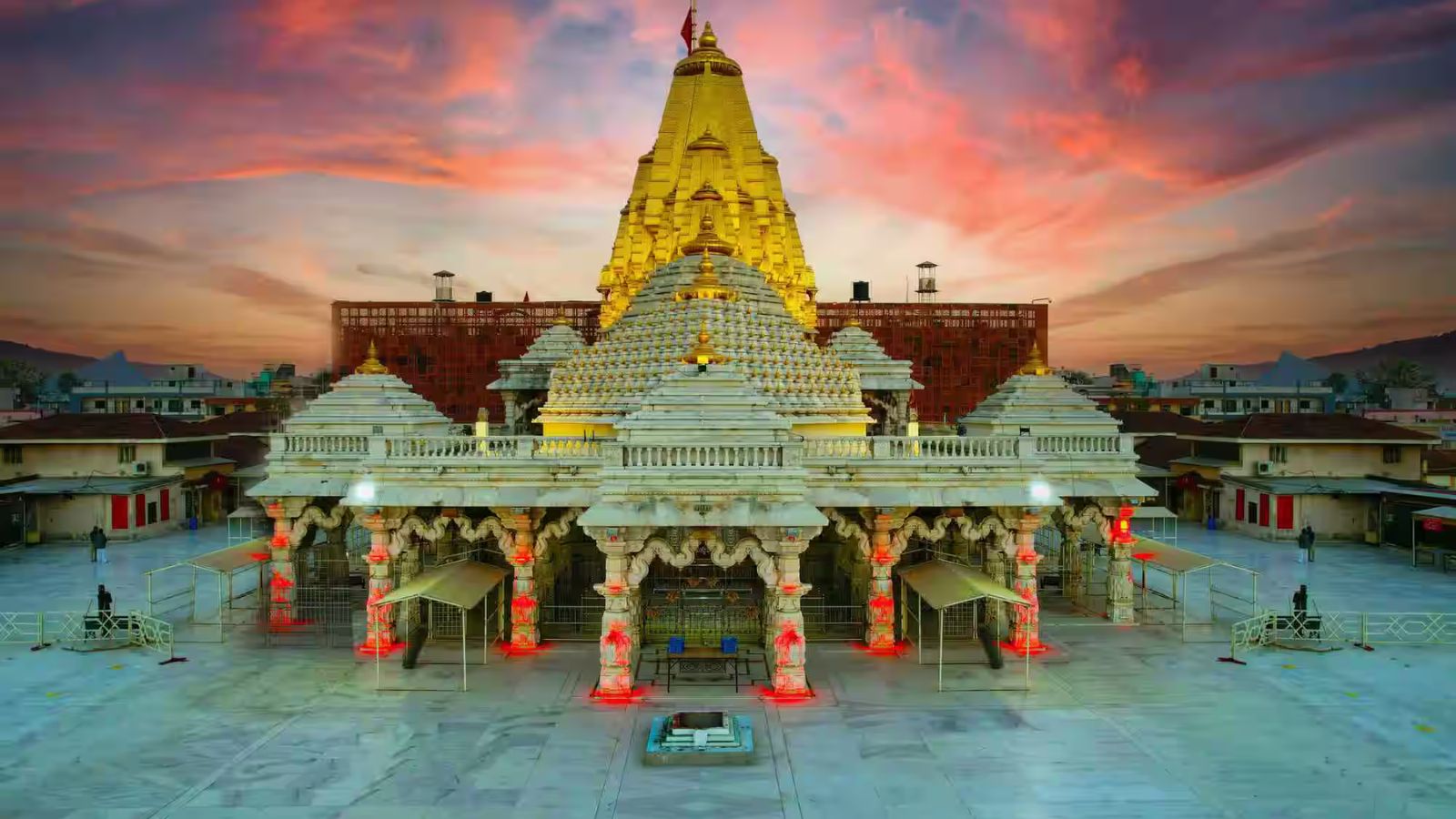
Overview of Ambaji Temple
Ambaji Temple is one of the sacred Shakti Peethas in India and is found in the district of Banaskantha, Gujarat. Most importantly, it has a tremendous spiritual significance to Hindu believers. The temple of Goddess Amba draws a lakh of pilgrims annually. Individuals think visiting Ambaji will make wishes come true and bring peace to the inner world.
Above all, Ambaji is not a temple but a place of faith, culture, and traditions. The temple has a strong idol of a goddess, not a statue but a yantra. In other words, this distinctive display renders Ambaji different among all temples.
As an illustration, thousands of devotees are at the Navratri festival, where devotional songs and Garba dance are celebrated. Equally, festivals such as Purnima (full moon day) also bring many visitors who pray.
As a result, the temple town has become a spiritual center where religious beliefs and worship merge with a rich culture. Moreover, the hills and calm atmosphere around the temple make it an interesting tourist spot that can offer visitors relaxation, spiritual satisfaction, and nature.
Most of all, visiting this temple is believed to eliminate hurdles and bring good fortune. Accordingly, an Ambaji Temple Trip is regarded as a life-changing spiritual experience among numerous Indian and foreign devotees.
Ambaji Temple History
The Ambaji Temple has a long history of Hindu myth and scriptures. It is also one of the 51 Shakti Peethas, as the legends say that when Lord Shiva was carrying her burning body, her parts fell. To explain, it is thought that the heart of Goddess Sati dropped here; thus, Ambaji is a holy point among Shakti people.
Historically, Ambaji Temple is mentioned in old sources, including the Skanda Purana. For example, the temple is referenced as a sacred place where worshippers prayed to Goddess Amba for a blessing. Similarly, the temple is an important pilgrimage destination that has been essential for thousands of years.
The idol of the temple is not traditional, as in many temples. Instead, the goddess is venerated as a Shree Yantra, which is a representation of universal power. In turn, this causes the temple to be unique in its practices.
Kings, saints, and devotees helped develop the temple over the centuries. In addition, it was significant when the Rajput kings ruled because they regarded Goddess Amba as the clan deity. On the same note, traders and villagers aided the development of the temple through their contributions of donations and services.
To sum up, the Ambaji Temple is a place of mythological significance and historical context that should be seen by everyone who pays attention to spirituality and culture.
Attractions:
The complex of the Ambaji Temple and its surroundings has numerous attractions:
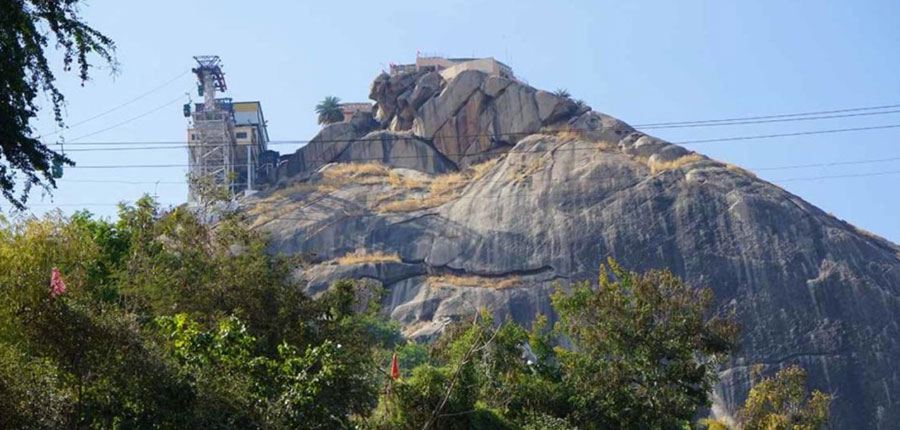
- Gabbar Hill: It is thought this was the goddess Amba's original seat.
- Kailash Tekri: A hill providing a landscape view and a serene atmosphere.
- Kumbharia Jain Temples: Beautiful temples are found 2 km away, and elaborate carvings characterize them.
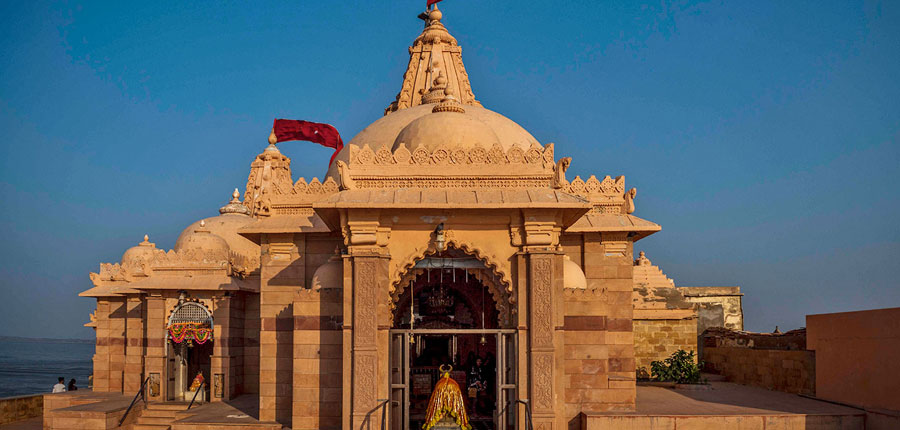
- Koteshwar Temple: Lord Shiva Temple, which is located close to Ambaji.
- Mansarovar Lake: A holy lake on which followers take a ritual bath.
- Kailash Hill, Sunset Point- The place gives a panoramic view of the sun setting behind the Aravalli hills.
- Ambaji Museum: Exhibits the area's cultural artifacts, scriptures, and cultural heritage.
- Festivals of Ambaji - Particularly Navratri, which is celebrated in grand style and devotion.