About Mathura
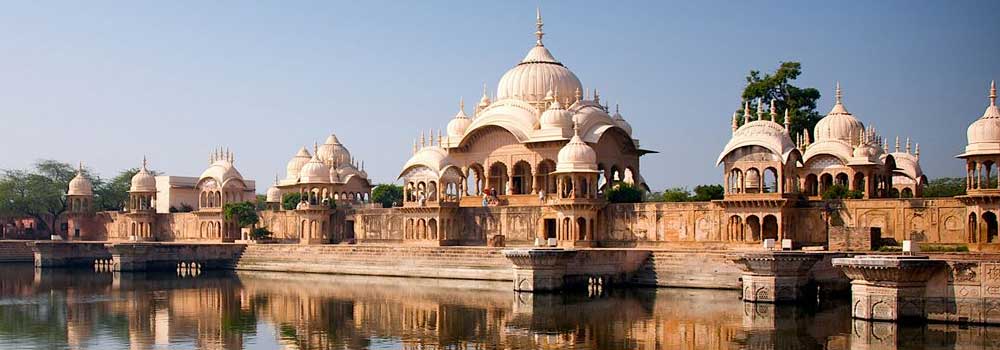
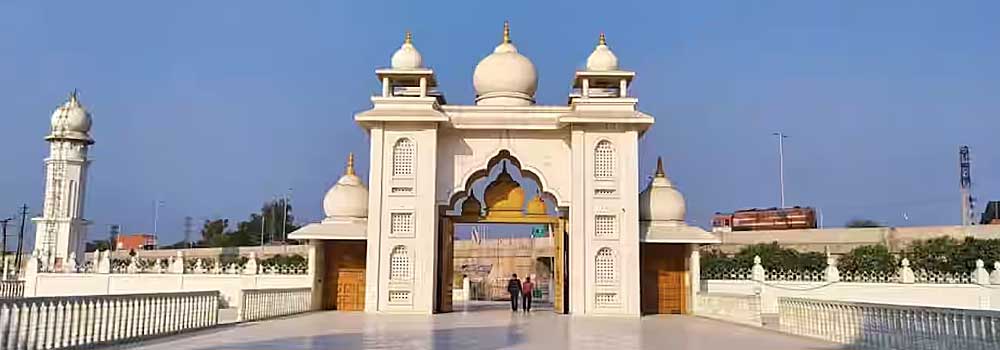
Mathura in Uttar Pradesh is considered a highly holy place in India. Hinduism values Mathura greatly because of its connection with Lord Krishna. Lord Krishna’s birth in a prison cell here, recorded in ancient writings, began a spiritual path that transformed history and faith for many people.
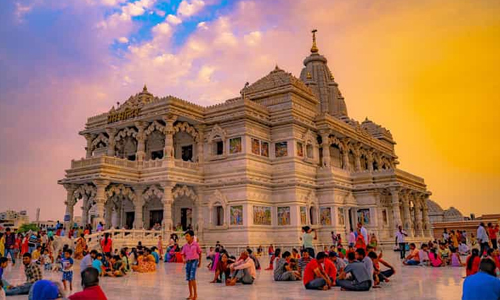
Mathura is considered the spiritual capital of Krishna devotees all around the world. The city forms part of Braj Bhoomi, a famous land related to Krishna’s early youth, which also consists of Vrindavan, Govardhan, Gokul, Barsana, and Nandgaon. Therefore, pilgrims visit these locations to feel close to their respected deity.
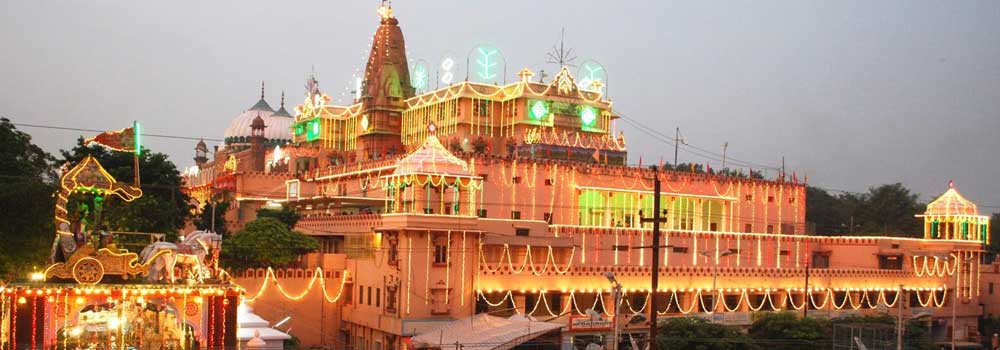
Most of all, the Shri Krishna Janmabhoomi Temple is considered the most essential place in Mathura. The place is regarded as Krishna's birthplace, and it draws many tourists, particularly to Janmashtami, a festival where devotion to Krishna is especially grand.
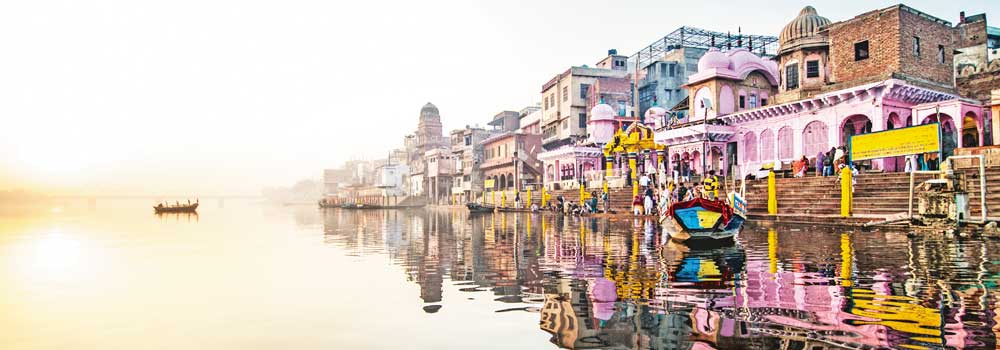
Furthermore, various ancient temples, holy ghats along the Yamuna River, and places mentioned in the scriptures are scattered around the city. The regular bhajans, daily rituals, and spiritual groups bring peaceful energy everywhere.
Besides its religious activities, Mathura also expresses many people's daily devotion. Celebrations, stories, and traditions about Krishna are regularly part of daily life. All in all, Mathura remains a hallmark of faith, love, and divine blessings, drawing all to remember the everlasting presence of Lord Krishna.
Mathura History
Mathura’s past goes back many centuries. So, its history goes back over 2,500 years. Hindu scriptures say that Lord Krishna, a form of Vishnu, was born here. Therefore, it is very significant in Hindu mythology.
Ancient texts such as the Mahabharata refer to Mathura. The king of the kingdom was King Kansa, Krishna’s uncle(Maama). Later, Krishna was born in this prison, and from there, he became famous for defeating evil.
Under the Mauryan Empire, Mathura flourished both as a center for religion and as a center for trade. Buddhist monuments were built here by the Emperor Ashoka. Also, many sculptures created then can now be seen in museums.
In addition, the Kushan dynasty advanced Mathura. The city became a central place for art, sculpture, and culture. Therefore, the well-known Mathura School of Art arose, and it had a lasting effect on the visual arts in Asia.
Even so, the city was attacked during the medieval era. Temple architecture suffered many blows, especially under the Mughals. Yet Hindu kings in the following years renovated and guarded many religious spots.
Religion and culture continued to shape Mathura while under British rule. It grew to be essential for studying and joyful festivals.
Also, many artifacts discovered through archaeology confirm its long history. Mathura played a significant part in Indian history, as shown by its temples, coins, and sculptures.
Most importantly, Mathura always preserved its spiritual identity. It remains because of people’s care, artistic forms, and rites. Basically, Mathura has stories of the divine woven into everything.
Therefore, its current vibrancy is a result of its rich history.
Attractions:
The city gives visitors experiences that are both religious and cultural. This is why there are so many attractions that make every visitor happy.
- The Shri Krishna Janmabhoomi Temple
It is the main attraction in Mathura. This is where Lord Krishna lived from the very start of his life. The temple has shrines, prayer halls, and a cell where people are held. The experience is, most importantly, a spiritual one.
- Dwarkadhish Temple
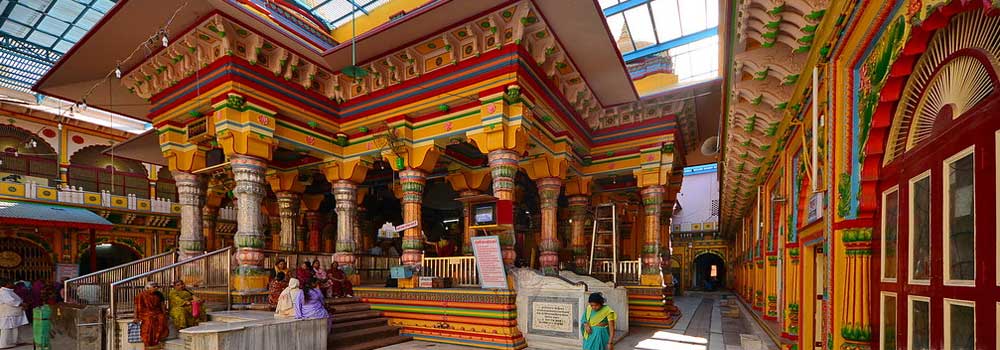
In 1814, this temple was built in dedication to Lord Krishna. In addition, the wonderful buildings and traditional rituals draw many visitors to this country. Religious festivals turn the temple lively with bright colors and music.
- Vishram Ghat
After defeating Kansa, Krishna decided this ghat on the Yamuna was the place to rest. Holy dips are taken by people visiting the spot. It is calm and beautiful when the aarti takes place at night.
- Mathura Museum
History aficionados can find rare sculptures and coins inside the museum. The museum displays artifacts from the Mauryan, Kushan, and Gupta periods.
- Govardhan Hill (Nearby)
It stands 22 km away and is related to Lord Krishna lifting the hill to protect the people nearby. Pilgrims usually walk 21 km around Hashima, running anticlockwise, known as “Parikrama.”
- Gita Mandir
The temple displays the principles taught in the Bhagavad Gita. Verses are written all over the walls. It involves studying as well as spiritual beliefs.
There are also many colorful bangles, statues, and sweets for sale in local markets. They help you experience the lively nature of the town. Mathura’s attractions reveal a lot about Indian religious, historical, and cultural heritage.
Registration and Passes for Mathura
Mathura welcomes everyone. However, registration or passes are needed for some temples and events.
Access to the main temples :
- Most of the time, entering the temples is free.
- But VIP passes can be purchased for those who want a fast darshan.
- They can be purchased from temple offices or online.
Festival passes:
- People must hold passes when the crowd is expected to be large, such as during Janmashtami and Holi.
- You can reserve your accommodation in advance by going to tourism websites.
- Tour packages also come with these passes.
Museums and places to visit:
- Museum entry fees are budget-friendly for most people.
- Indian nationals usually pay between ₹20–₹50.
- Foreign visitors can pay higher rates.
Online platforms :
- Visit the official Uttar Pradesh Tourism website.
- Booking tickets, darshan passes, and guided tours are straightforward.
All in all, most places can be reached, but organizing ahead keeps you stress-free.
Ideal Season:
From October until March, it’s mild and chilly outside. For this reason, traveling to see places is more comfortable.
Festival Season:
The atmosphere there is absolutely magical during Janmashtami (August/September). Lord Krishna’s birthday is honored throughout the city. Also, Holi in Mathura and Vrindavan attracts people from across the globe. But, during these periods, there will be many tourists.
+ Read More