Overview
The city of Varanasi is one of the most ancient and sacred places, and it is also known as Kashi or Benares. On the River Ganga’s holy banks in Uttar Pradesh, India, it plays a central religious role in Hinduism. Lord Shiva is said to have founded Varanasi, and because of this, it is a very holy spot for Hindus to focus on spiritual practices.
Above all, many people see Varanasi as the place to achieve moksha, which is understood as freedom from rebirth. Many Hindus feel that being cremated near Varanasi in the Ganges can ensure their souls achieve salvation. (Consequently) large numbers of devotees make the journey to the city every year for the same reasons.
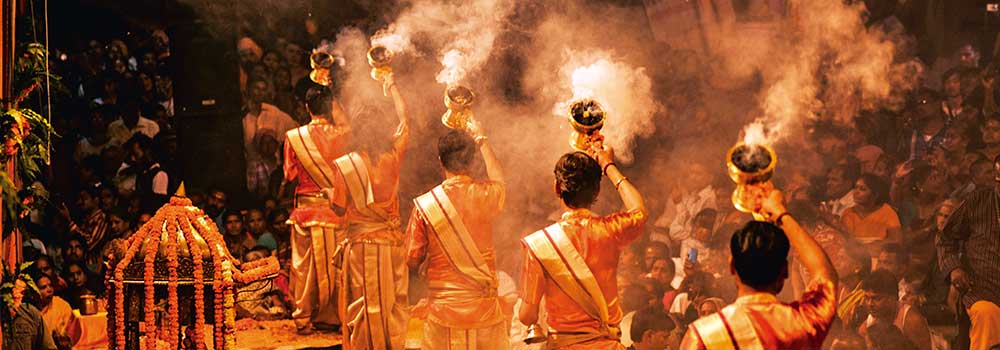
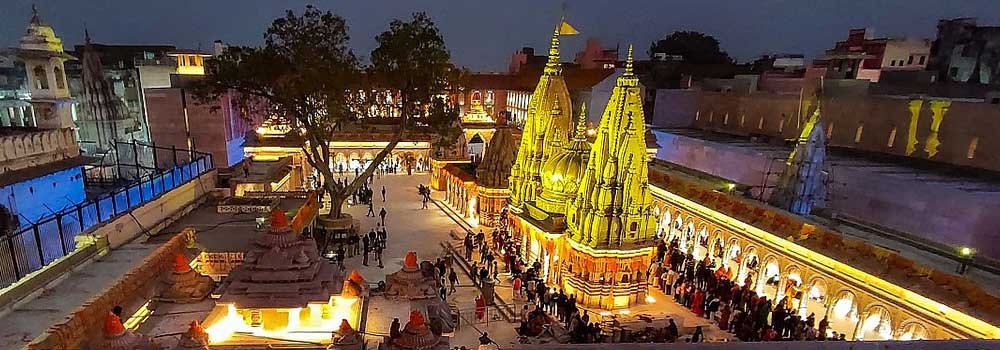
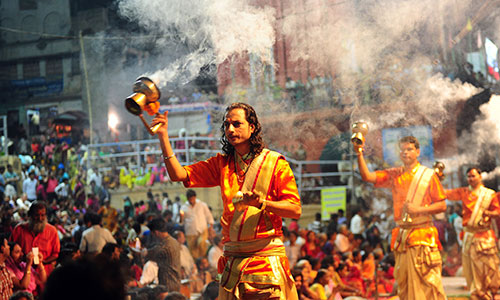
About 2,000 temples exist in the city, including the well-known Kashi Vishwanath Temple, which is dedicated to Lord Shiva. At the same time, worshipers gather daily at Dashashwamedh and Manikarnika ghats to participate in araatis (fire and music rituals), filling the air with a remarkable ambiance.
Similarly, the sound of priests chanting, ringing temple bells, and singing hymns fills the area with the energy of the divine. Beyond a city, Varanasi is seen as India’s personification of its spiritual spirit. Simply put, it remains a timeless symbol of religion, loyalty, and eternal understanding, welcoming pilgrims and people from all walks of life who want to connect with the spiritual meaning of life and death.
Quick Information About Varanasi
| State |
Uttar Pradesh |
| Coordinates |
25.3176° N, 82.9739° E |
| Geographical area |
1535 sq. km. |
| Popular Tourist Attractions of Varanasi |
- Kashi Vishwanath Temple
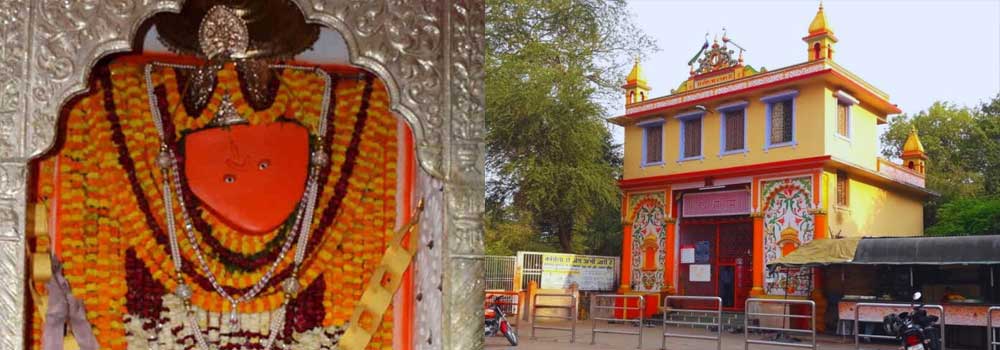
- Sankat Mochan Hanuman Temple
- Tulsi Manas Temple
- Durga Temple
- Dashashwamedh Ghat
- Assi Ghat
- Manikarnika Ghat
- Sarnath
- Bharat Kala Bhawan
- Ramnagar Fort
|
| Popular Festivals |
- Ganga Mahotsav
- Maha Shivratri
- Dussehra
- Diwali
- Buddha Purnima
- Ramnagar Ramlila
- Chhat Puja
- Holi
|
| Languages spoken |
- Hindi
- English
- Bhojpuri
- Urdu
|
+ Read More
Varanasi History
One of the oldest cities in the world is Varanasi, also called Kashi or Benares. Its history spans 3,000 years, though many scholars and religious texts suggest it could be even older. The spiritual capital of India, Varanasi, is found along the holy River Ganga in Uttar Pradesh.
Hindu mythology says that Lord Shiva formed Varanasi, which Hindus regard as a holy city. Shiva and Parvati are said to have once lived at the top of Mount Kailash. So, the region has continued to attract Shaivites, who worship Lord Shiva. One of the 12 Jyotirlingas, the famous Kashi Vishwanath Temple, is what shapes Varanasi spiritually.
Varanasi also greatly influenced ancient India in terms of education, culture, and religion. Many scholars and students from India were drawn to the city because of its learning centers. Panini, the grammarian, and Patanjali, the philosopher, taught and learned here.
In addition, Varanasi is important to Buddhists. When Gautama Buddha was enlightened, he began by delivering his first sermon in Sarnath, which is just 10 km away from the city. Because of this, Buddhists regarded Varanasi as holy.
Many times in history, the city dealt with invasions. In the 12th century, the city was seriously damaged by Turkish and Mughal rulers. However, Hindu kings later worked to repair and build many temples. It continued to represent the qualities of strength and dedication.
Varanasi continued to show its religious and cultural beauty while under British rule. Nowadays, it attracts many people for its pilgrimage, art, music, and age-old crafts.
Overall, India’s religious and cultural heritage is strongly connected to the history of Varanasi. More than just a city, it represents faith, knowledge, and a continuous tradition.
Attractions:
The places in Varanasi are unforgettable. The charm and devotion are visible in every temple and on every riverbank.
- 1. The Ghats of the Ganges area
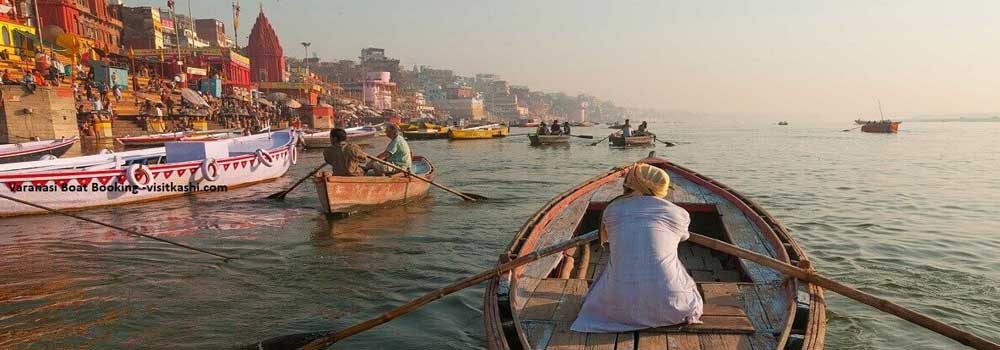
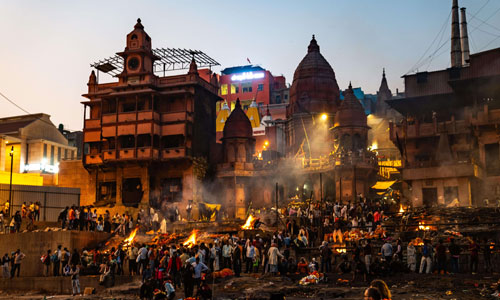
More than 80 ghats are found throughout the city. They are unique and have their separate histories. Dashashwamedh Ghat is known for the beautiful evening aarti. Manikarnika Ghat is another spot chosen for cremation ceremonies. It pictures the endless loop of birth and death.
- 2. Kashi Vishwanath Temple
The temple is known to be very sacred to Lord Shiva. Devotees think that a visit to the holy site brings them spiritual salvation. Otherwise stated, no pilgrimage is complete without a visit to it.
- 3. Sarnath
Just a short 10 km away from Varanasi, Sarnath is the place where Buddha delivered his first speech. Peace, history, and spirituality are features of Ryomeikan Chosokabe. Also, the Dhamek Stupa and Sarnath Museum show the history and heritage of Buddhism.
- 4. Banaras Hindu University (BHU)
BHU is not only one of India’s oldest universities; it is also much more than just a campus. Among its features, Varanasi has lovely gardens, the Bharat Kala Bhavan museum, and the new Vishwanath Temple.
- 5. Ramnagar Fort
In the 18th century, the fort was built on the eastern bank of the Ganges. You can visit the castle's museum, which has royal artifacts and old vehicles.
Of course, these are just some of the many highlights. You can also find street markets, music festivals, and silk-making centers in Varanasi.
All in all, Varanasi’s attractions pay deep respect to culture and spirituality no matter who you are. So, it’s great to bring a camera, but the most important thing is to have an open heart.
Registration and Passes for Varanasi
A special pass is rarely required to visit Varanasi. People can enter ghats and temples without paying any entry fees. That said, these are some things you can do:
For Foreign Tourists:
- Go to the Indian Visa portal to register your trip.
- Always have a copy of your passport and visa in your possession.
For Boat Rides:
- You can buy your tickets at the venue.
- A ticket for the Ganga Aarti boat ride costs at least INR 100.
For Events and Festivals:
- Some events will require you to have an online pass.
- Dev Deepawali, for example, sees high demand. So book early.