Overview
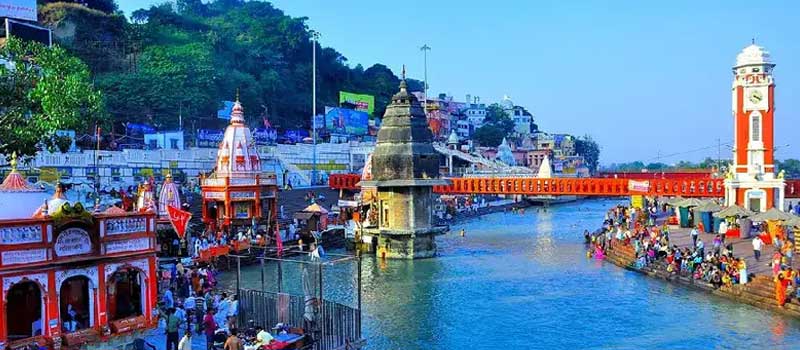
Haridwar, also known as the Gateway to God or Har Ki Paudi, is a holy city in India steeped in Hindu mythology. This pre-historic city is an important pilgrimage center located in the state of Uttarakhand, where the sacred River Ganges leaves the folds of the Himalayas and enters the plains. The religious significance of Haridwar cannot be overstated because it is believed that a holy dip in the Ganges at Haridwar can wash away all sins and result in salvation (moksha). The city harbors several temples, ghats as well as ashrams and thus provides devotees as well as visitors a chance to seek the blessings of god.
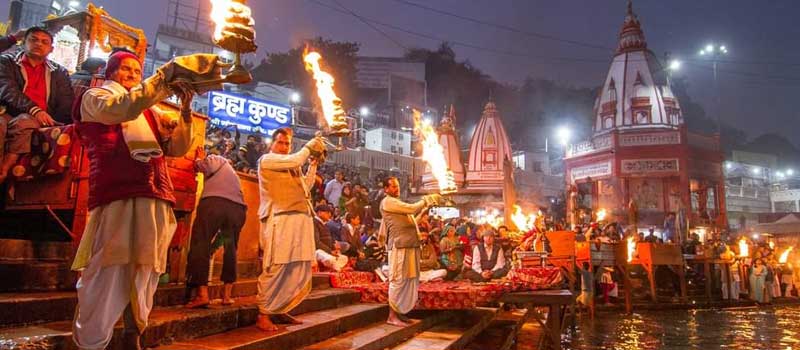
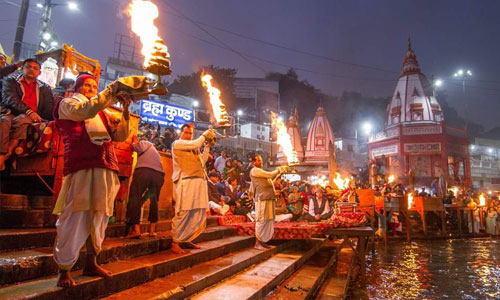
Millions of pilgrims visit Haridwar each year, particularly on religious festivals such as the Kumbh Mela, held every 12 years, attracting one of the largest concentrations of people anywhere on earth. It is a stunning ritual performed every evening at Har Ki Paudi; the Ganga Aarti attracts devotees and tourists. The spiritual air of the city is very impressive, and it is not a place but an experience that offers spiritual seekers a transformational journey.
Furthermore, it also serves as the entry point to the Char Dham of Uttarakhand and the base town for a few other tourist towns of Rishikesh and Devprayag.
It is believed in the Hindu traditions that Haridwar has Panch Tirth (five pilgrimages). They are Har ki Pauri (Gangadwar), Ghat (Kushwart), Kankhal, Mansa Devi Temple (Bilwa Tirth) and Chandi Devi Temple (Neel Parvat). As Haridwar is known, Ayurveda, meditation, and yoga are also famous worldwide. It is a religious center; therefore, alcohol and non-vegetarian food cannot be allowed here. This city has a good network of buses and trains but becomes extremely crowded during the yatra season, which is between May and October.
Quick Information About Haridwar
|
State
|
Uttarakhand
|
|
Coordinates
|
29.9457° N, 78.1642° E
|
|
Geographical Area
|
2,360 sq. km.
|
|
Popular Tourist Attractions in Haridwar
|
- Har Ki Pauri
- Mansa Devi Temple
- Ganga Aarti
- Chandi Devi Temple
- Rajaji National Park
- Shantikunj
- Bharat Mata Mandir
- Daksha Mahadev Temple
- Patanjali Yogpeeth
- Vaishno Devi temple
- Maya Devi temple
- Vishnu Ghat
- Swami Vivekanand Park
|
| Popular Festivals |
- Kumbh Mela
- Khari Holi Festival
- Kanwar Yatra
- Ganga Dusshera
|
| Languages Spoken |
- Hindi
- Garhwali
- Punjabi
- English
|
+ Read More
Haridwar History
With a very strong connection with ancient Hindu scriptures, Haridwar is considered one of the oldest pilgrimage spots in India. The city's importance is referred to in the Vedic era, and many sacred books such as Mahabharata, Ramayana, and the Puranas have cited the city. It is considered that the name Haridwar was derived because the lord Vishnu was associated with the place, and his divinity was felt at this site.
In ancient times, Haridwar was known as Maya Puri, where the gods used to live. The Hindu religion holds that Haridwar is where the river Ganga fell to the earth straight out of the heavens. Hence, it is an essential site of purification and redemption. Throughout the centuries, Haridwar developed from a simple settlement to one of the most important religious centers, and several temples, ashrams, and ghats appeared at the banks of the river.
The religious significance of Haridwar was further enhanced during the Maurya and Gupta Empires period. Numerous temples were built in ancient times, and the tradition of making a sacramental dip in Ganga gained wider popularity. This spiritual tradition of the city persisted into the Mughal and modern ages, as Haridwar has remained one of the seven most sacred cities in Hinduism. Nowadays, it is a city pilgrimage that millions of people visit every year, and it allows for a strong closeness to Hindu tradition and spirituality.
Attractions:
Haridwar combines temples, ghats, ashrams, and natural beauty. The major attractions making this city a spiritual haven are the following:
- 1. Har Ki Paudi
It is the most popular and holy ghat in Haridwar. Its name means The Steps of God, and it is assumed that the Lord Vishnu left his footprints there. People gather here to take a dip in the sacred Ganges, which they believe would wash away their sins. An evening Ganga Aarti here is among the most religious experiences, with hundreds of worshipers performing prayers, chanting holy mantras, and lighting diyas (small lamps) along the river banks.
- 2. Maya Devi Temple
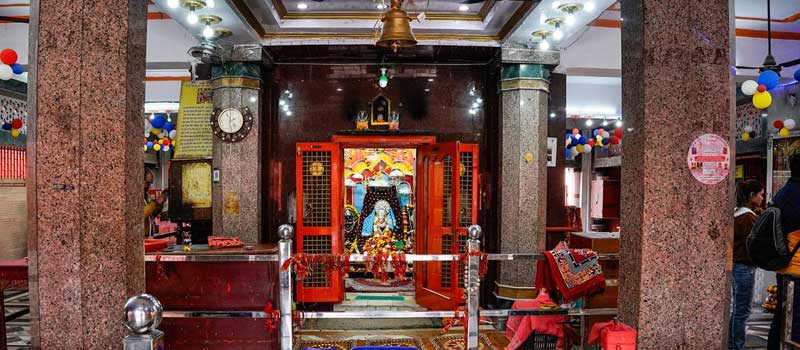
The Maya Devi Temple, devoted to Goddess Maya, is among the Siddh Peeths, the places of extreme religious significance in Hinduism. It is considered that the heart and navel of Goddess Sati had fallen here, and thus, it is an important pilgrimage place. The tranquility and the history associated with the temple make it a place to visit in Haridwar.
- 3. Chandi Devi Temple
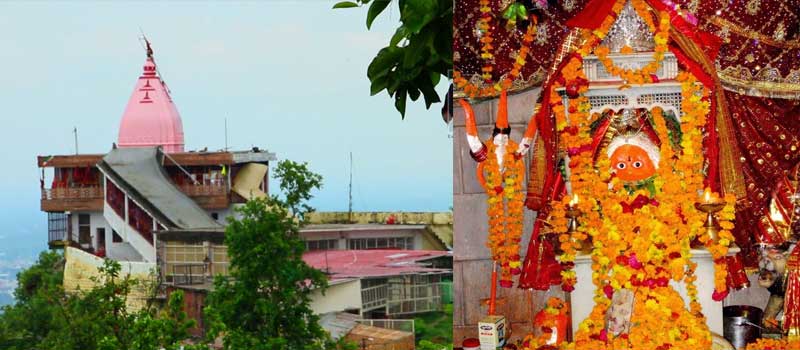
This temple is situated at the top of the Neel Parvat and is devoted towards Goddess Chandi. The temple is reachable by either a cable car or by a walk. The top offers breathtaking panoramic views of the town and the Ganges River, which cannot be equal to any other spiritual and visual treat.
- 4. Mansa Devi Temple
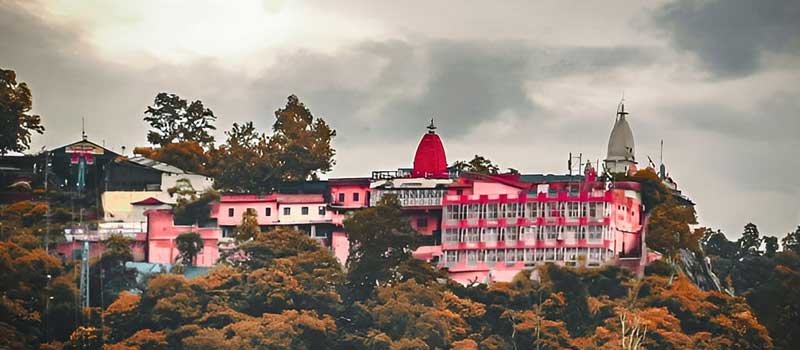
Mansa Devi Temple is devoted to Goddess Mansa, who is considered to be wish-fulfilling. This temple is situated on the Bilwa Parvat and is amongst Haridwar's Panch Tirths (five important pilgrimages). The temple can be reached by a cable car, or visitors can walk up to get panoramic views of the city and the Ganges.
- 5. Rajaji National Park
Rajaji National Park is a good park on the outskirts of Haridwar, which is a haven for nature lovers. This large park contains diverse wildlife like elephants, tigers, and leopards. A visitor can get a serene outdoor experience, away in the spiritual hustle and bustle of the city, by hiking or going on safari across the picturesque land of the park.
- 6. Shanti Kunj Ashram
Spiritual seekers will find Shanti Kunj Ashram a quiet place to meditate and practice yoga. The ashram is focused on the principles of the Arya Samaj and is a perfect spot to be alone with yourself and develop spiritually.
- 7. Bharat Mata Mandir
It is a unique temple devoted to Bharat Mata (Mother India), with a huge marble map of undivided India. It provides a patriotic insight and spiritual attachment to the land of India.
Registration and Passes:
Haridwar is a big pilgrimage center and a tourist spot; hence, there are no charges to be paid by general visitors to enter the place. However, some religious rituals and visits to the temples involve charges.
- Entry Fees to Temples:
Most temples in Haridwar do not charge an entry fee, but a small amount may be charged for special services such as Darshan (special prayers) or Aarti (evening prayers). As an example, Mansa Devi Temple and Chandi Devi Temple have a fee charged per cable car ride, which transports people to the temple on the hill.
- Kumbh Mela Registration:
If you are willing to visit Kumbh Mela, you have to register beforehand. The Kumbh Mela is held every 12 years, and registration is necessary to manage the event well, bearing in mind the number of pilgrims expected to turn up. Registration can be done online, and reserving your passes in advance is recommended.
Overall, Haridwar is a mostly free experience as a pilgrimage destination. Yet, one should always look into any possible entry charges or registrations needed to visit some sights or events.