About Amritsar
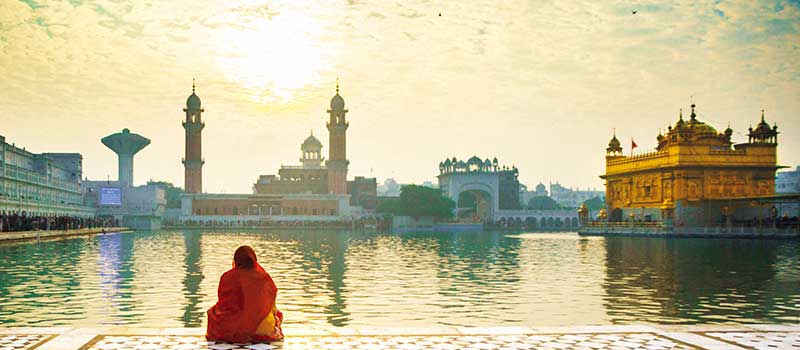
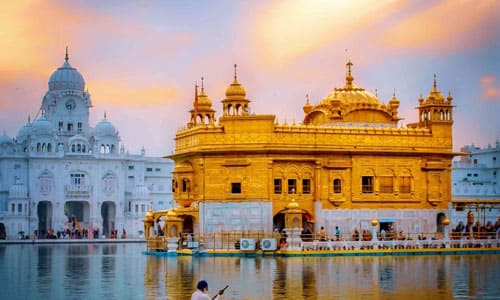
Amritsar is a city in the state of Punjab in India. It is considered the center of Sikhism and one of the most sacred religious places in the world. It is of great spiritual significance and receives millions of pilgrims and tourists annually. The Golden Temple Trip, or Harmandir Sahib, is the most sacred Sikh shrine in the middle of the city. The temple is a place of peace, modesty, and spiritual enlightenment, and everyone is invited, regardless of their background and religion.
The religious importance of Amritsar lies not only in the Golden Temple. It also has numerous historical gurdwaras, places of worship, and colorful markets, which depict the rich spiritual and cultural history of Sikhism. Some people rush to Amritsar for spiritual comfort, attend the community's well-known langar (free kitchen), and imbibe the Golden Temple's peaceful aura. The city has a rich history of religious beliefs, coupled with the hospitable nature of the people, making the city an unforgettable place to visit.
Visiting the Golden Temple is not only a tourist trip but a whole experience that links individuals to spirituality and history. The city is also known to be a place of peace and harmony and, thus, a destination of choice for people who want religious and cultural satisfaction.
Quick Information About Amritsar
|
State
|
Punjab
|
|
Coordinates
|
31.6340° N, 74.8723° E
|
|
Geographical Area
|
267.2 sq. km.
|
|
Popular Tourist Attractions in Amritsar
|
- Golden Temple
- Jallianwala Bagh
- Wagah Border
- Durgiana Temple
- Gobindgarh Fort
- Maharaja Ranjit Singh Panorama
- Hall Bazaar
|
| Popular Festivals |
- Baisakhi
- Diwali
- Hola Mohalla
|
| Best Time to Visit |
Winter (October to February)
|
| Climate |
Hot summers, moderate monsoons, pleasant winters
|
| Languages Spoken |
|
+ Read More
Amritsar History
The city of Amritsar was established in 1577 by Guru Ram Das, the fourth Guru of the Sikhs, and has been a central figure in the religious, political, and cultural existence of India. Amritsar is translated as the Pool of Nectar, which is the holy pool around the Golden Temple. The city has witnessed various historical events that have made it gain a profound meaning in the Sikh religion.
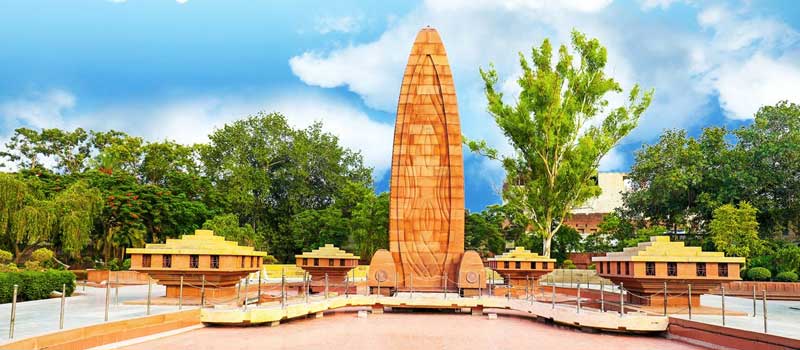
The Golden Temple was started to be built in 1581 under the leadership of the fifth Guru of Sikh, Guru Arjan Dev. It is the most sacred place of Sikhism, where the Guru Granth Sahib (the holy book of Sikhism) is stored and read. In the 18th century, Amritsar was captured by the Mughal Empire and then by the British colonialists. The city's historical significance increased during the era of the Indian struggle for freedom. In 1919, one of the darkest points in the history of the city was when the British troops fired on unarmed Indian civilians in Jallianwala Bagh, killing hundreds. Amritsar is of even greater importance in the struggle towards independence because this tragic event continues to be remembered and mourned throughout India.
Numerous other landmarks in Amritsar are regarded as the city's historical heritage, including Maharaja Ranjit Singh Summer Palace, the partition museum, and a number of gurdwaras that defined the history of the Sikh community. These incidents have made Amritsar the city that can be not only the reflection of spiritual devotion but also the symbol of the indomitable spirit and power of the Indians.
Attractions:
Amritsar is a historical, cultural, and spiritual city. Some of the attractions that one must visit in the city are listed below.
- Golden Temple ( Harmandir Sahib )
Amritsar is home to the most famous Golden Temple. Golden Temple Trip is a religious experience for tourists across the globe. The beauty of the temple, the tranquil environment, and the importance of the temple to the Sikhs are reasons why one should visit the temple. The visitors can attend the prayers daily, share in the langar (communal meal), and have divine peace in the temple.
- Jallianwala Bagh
It is a historical place that all Indians will never forget since it is where the famous massacre of 1919 took place. Jallianwala Bagh has become a memorial with a nice garden and a museum in memory of the victims who were killed. This site will provide insightful information on the Indian fight for independence.
- Wagah Border
The Wagah Border ceremony is a very famous attraction around Amritsar. The ceremony is performed daily and consists of several rituals, such as closing the borders between India and Pakistan, during which soldiers of both nations demonstrate discipline and patriotism. The ritual cannot be missed by history enthusiasts of the Indian-Pakistani history.
- Durgiana Temple
This Hindu temple is devoted to Goddess Durga and is architecturally similar to the Golden Temple. It is a holy Hindu site in Amritsar and a serene place to visit.
- Gobindgarh Fort
Dating back to the 18 th century, it is a wonderful place to know about the military history of Punjab. The fort provides live shows, interactive displays, and an opportunity to see a historical change in Amritsar.
- Maharaja Ranjit Singh PanoramaThis museum is devoted to the life and work of Maharaja Ranjit Singh, and it is a chance to have a closer look at the history of the Sikh Empire and its most famous leader. The panorama exhibit at the museum makes history come alive through the use of paintings and exhibits.
- Hall Bazaar
Hall Bazaar is a shopper paradise with a busy market near the Golden Temple. It is the best place to purchase traditional Punjabis, such as phulkari embroidery, juttis (footwear), spices, and local handicrafts.
- Partition Museum
The Partition Museum celebrates the experiences of the people who were touched by the Partition of India in 1947. It is a must-visit museum to see the massive hardships that households went through during this period.
Registration and Passes
Most attractions in Amritsar do not require registration or an entry fee, particularly the Golden Temple Trip. The Golden Temple is open to all, and there is no charge. Visitors can join in the prayers, have the langar, and visit the premises.
Nonetheless, in some attractions, like the ceremony at the Wagah Border, it is recommended that one gets there early to get a place because the ceremony may draw a lot of people. Access to certain museums or heritage sites could involve a small admissions fee that can be paid locally. Be sure to ask local authorities or travel guides beforehand whether you need passes to enter certain events or attractions; ensure you have the right passes.
+ Read More