Baijnath, Himachal Pradesh

  • Best time to visit:
    March to June and September to November
  • Ideal Duration:
    1-2 Days
  • Visa:
    Not Required
5.0 - Excellent in TripAdvisor
Recommended by 99% of travelers
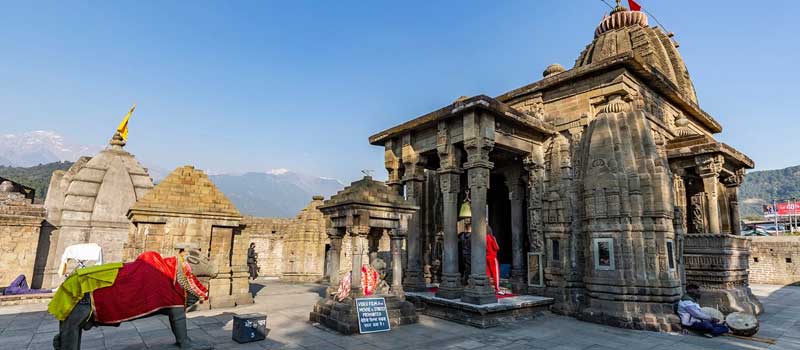
Baijnath Temple, Himachal Pradesh
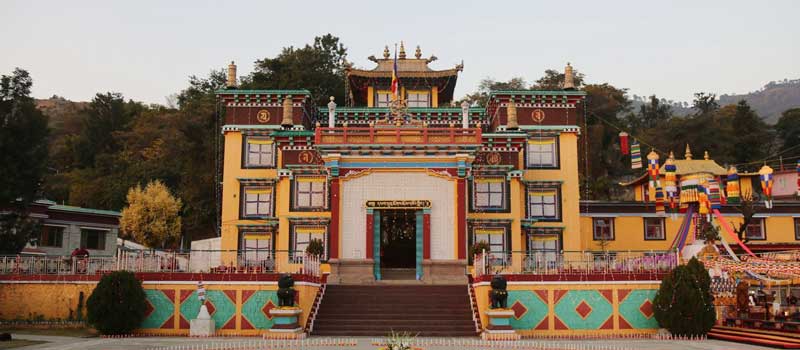
Tashi Jong Buddhist Monastery

Baijnath Temple, Himachal Pradesh

  • Temperature :
    Summer (March to June): 15°C to 30°C
    Monsoon (July to August): 20°C to 25°C
    Winter (Dec to Feb): 0°C to 15°C
  • Top Tourist Places:
    Baijnath Temple, Dhauladhar Range Views, Tashi Jong Monastery, Bir Billing, Palampur, Maha Kali Temple, Chamunda, Baijnath Town

About Baijnath

One of the ancient and sacred temples of Lord Shiva is the Baijnath Temple, situated in the calm environment of Kangra Valley in the picturesque Himachal Pradesh. Securely located amid the magnificent Dhauladhar Range, this temple attracts spiritual seekers and those interested in history. The temple is an important ancient heritage with architectural and spiritual significance. Baijnath Temple is a must-visit for tourists who visit the area to experience its history and religious significance.

+ Read More

History of the Baijnath Temple

Baijnath Temple dates back to the 13th century. The island is thought to have been constructed by two local traders, Ahuka and Manyuka, in the 1200s. It is believed that Lord Shiva and Goddess Parvati performed their penance in the region, thereby making it a pilgrimage place. The temple's name was derived from the name Baijnath, a mix-up of Bai (healer) and Nath (lord). This is a representation of Lord Shiva as the remover of illnesses.

The temple's architecture is an excellent specimen of the Nagara form of North India. The stone structures built with minute sculptures and the sanctum sanctorum's artistic beauty show the builders' skills. The temple has been renovated a few times throughout the centuries, yet its originality has been preserved. People pay a visit not merely to get a blessing but also to appreciate the ancient structure and picturesque nature of Baijnath Temple.

Attractions in Baijnath:

Baijnath Temple offers more than just a religious experience. The surrounding area provides a mix of spiritual peace and natural beauty. Some of the major attractions include:

  • Lord Shiva Idol: The main attraction is devoted to the idol of Lord Shiva, who is well-carved and respected by people.
  • Close Waterfalls: Many small waterfalls around Baijnath Temple are close to nature lovers and trekkers.
  • Baijnath Village: The temple is surrounded by a village called village that gives you a peek into country life in Himachal. Tourists can experience the local culture and communicate with the villagers.
  • Nearby Temples: Several other temples near Baijnath can be explored, such as the Kali Temple and the Gauri Temple, both offering beautiful views and a serene environment for prayer
  • Ancient Architecture: The temple design is an outstanding work of Himachali temple architecture. It is a beauty for history and art lovers since the walls and ceilings are well-decorated with carvings and sculptures.

Getting There

Baijnath Temple has good connectivity across Himachal Pradesh and other places. The temple can be reached by road, train, or air.

By Train Baijnath Temple

By Train

Palampur Railway Station is the closest rail station to the Baijnath Temple, located at a distance of approximately 15 km. Palampur also has connections with big cities such as Delhi and Chandigarh. You can then take a taxi or a bus ride to Baijnath Temple.

By Air Baijnath temple

By Air

Gaggal Airport in Dharamshala is located 50 kilometers away and is the closest. You may hire a taxi or use buses that run between Dharamshala and the temple. Dharamshala is also linked to big cities such as Delhi and Chandigarh; thus, it is conveniently accessible by air.

By Road Baijnath

By Road

Baijnath Temple may be reached easily by road. Palampur is well connected to cities such as Dharamshala, Kangra, and Delhi; the temple is approximately 16 kilometers away. You can use a bus to get to the temple, but you can also take a taxi to Palampur or Dharamshala.
Best Time to Visit

Baijnath Temple is visitable all year round. Yet, the ideal time is relative to the weather and preferences.

Summer Season in Baijnath

Summer (March June)

The most popular period when people visit the Baijnath Temple is during the summer season. The climate is favorable since the temperatures vary between 20 o C and 35 o C, which is ideal for sightseeing and outdoor activities. The beauty of the temple is coupled with the lush greenery around the temple.

Monsoon Season in Baijnath

Monsoon (July to September)

In Baijnath, rainfall is heavy during the monsoon. The temperature is moderate, yet landslides and excessive rains characterize the area. So, it is not advisable to come here now because the roads will be slippery and transport might be hindered. But the monsoon season renders it picturesque, with the green vibe of the surrounding hills.

Winter Season in Baijnath

Winter (October to February)

The winter season in Baijnath is very cold as temperatures can sometimes drop below 5 o C. The temple is beautiful due to the snowfall in the nearby Dhauladhar Range. Winter may be a great time to come if you like the cold weather or the solitude of snow scenes. But expect the cold weather.

RECOGNIZED AND ACCREDITATION

ministry of tourism
TAAI - Certificates
IATA - Certificates
patners