Overview of Maa Bamleshwari Temple
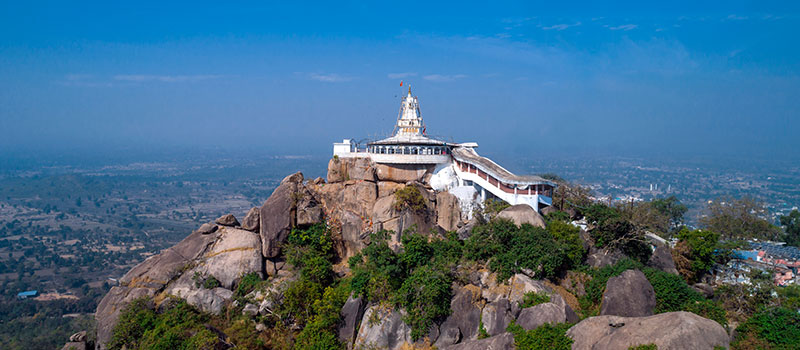
Maa Bamleshwari Temple (in Dongargarh, Chhattisgarh) is a very sacred temple of Goddess Bamleshwari, who is an incarnation of Goddess Durga. Most importantly, it is also one of the most important spiritual places in central India. The temple is located on a hilltop some 1,600 feet above sea level, providing not just divine blessings, but also a panoramic view of the surrounding landscapes.
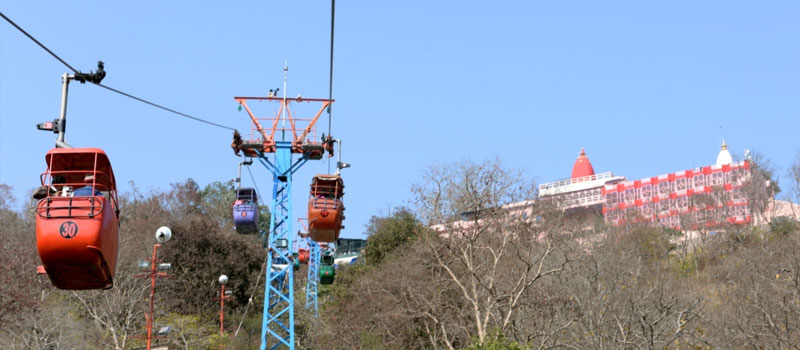
The followers believe that Maa Bamleshwari takes care of her devotees and ensures that they enjoy prosperity and tranquility. Thus, thousands of pilgrims ascend the steps or the ropeway to visit the shrine, particularly in Navratri. Hymn singing, bell ringing, and devotional songs bring a holy feeling that moves any heart.
The temple is significant both in terms of spirituality and its cultural representation. The town of Dongargarh is full of life as pilgrims arrive in the city during festivals that are celebrated here. That is, it is a spiritual center through which religion and tradition come together.
A Maa Bamleshwari Temple Trip is not only a pilgrimage for many but a life-changing journey. Above all, it is the mixture of devotion, culture, and the beauty of nature that provides an ideal spirituality and harmony to every visitor.
Maa Bamleshwari Temple History
Maa Bamleshwari Temple has a vibrant history of mythology and ancient tradition. According to legends, the temple was constructed by Raja Veersen, a ruler of Dongargarh. It is thought that he built the shrine to worship the Goddess Bamleshwari, who appeared to him in a dream and promised him victory and prosperity.
The temple is a representation of faith that dates back centuries in history. Several folk stories refer to it, and it is assumed that it was one of the centers of Shakti worship since ancient times. It is claimed that the temple is in a hilltop location, signifying the sovereign power of the goddess and her existence.
The rulers and the devotees helped keep and continue developing the temple complex with time. It became one of the most important places of worship for Goddess Durga during the medieval period. Moreover, this temple has withstood natural adversities and remains sturdy to date, luring millions of devotees annually.
In addition, the temple is also linked closely with the Navratri festival, during which huge fairs are held. It has, therefore, emerged as a cultural landmark of Chhattisgarh, as well as a place of worship. To put it briefly, the history of Maa Bamleshwari Temple is a story of devotion, endurance, and centuries of belief.
Attractions:
Maa Bamleshwari Temple complex offers a number of attractions that promote the spiritual experience of all people who visit and go there.
- Main Shrine: The idol is beautifully adorned, and the shrine is dedicated to the goddess Bamleshwari.
- Upper Bamaleshwari Temple: This Temple is located at the top of the hill, where one has to climb almost 1,000 steps.
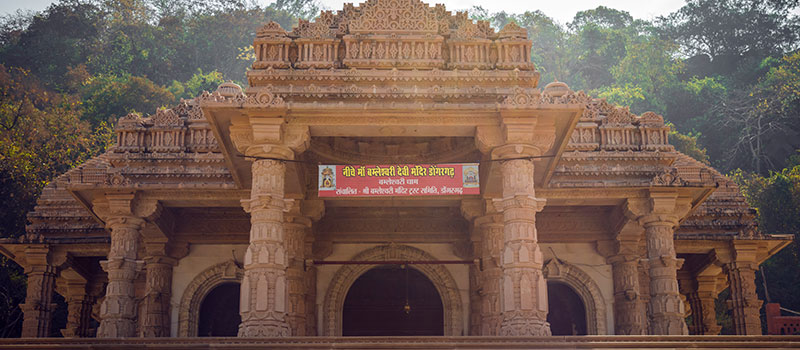
- Lower Bamleshwari Temple: This Temple is on the foothill, where people cannot climb.
- Navratri Festival: The temple holds spectacular celebrations at Chaitra and Ashwin Navratri.
- Cable Car Ride: This is a special provision where devotees can access the top of the hill with ease.
- Ponds and Kunds: Holy water pits surrounding the temple, which are the sites of rituals.
- Cultural Performances: Devotional songs and bhajans are performed at the festivals.
- Panoramic View: Spectacular places that give one a view of the town of Dongargarh and the hills nearby.