Overview of Bhimashankar
Bhimashankar is one of the 12 Jyotirlingas of Lord Shiva situated in Maharashtra. Most importantly, it is where great religious significance and nature are found. According to devotees, worshipping Lord Shiva will release sins and grant spiritual peace. Thus, the temple attracts pilgrims all year round across India.
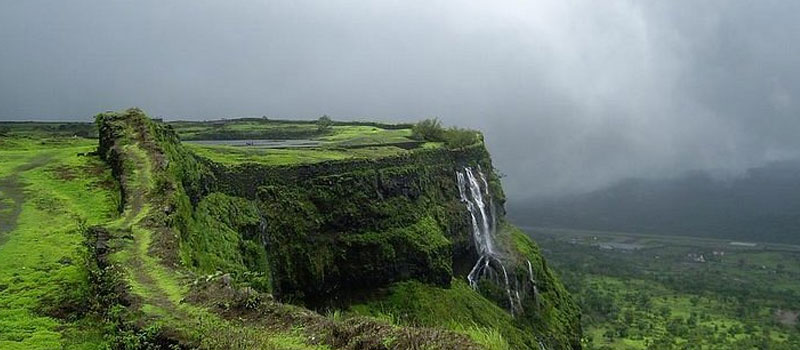
The temple is in the Sahyadri hills, with thick forests and beautiful valleys. That is, it is not only a spiritual location but also a nature retreat. Above all, the Bhimashankar temple can boast of its basic yet effective architecture. Jyotilinga is the devotion of a kind of Shiva who slayed the demon Tripurasura. As a result, many admirers associate this temple with the tales of divine power and triumph of good over evil.
Indicatively, thousands of pilgrims attend rituals such as Rudrabhishek and special prayers on Mahashivratri. Similarly, the neighbouring Bhimashankar Wildlife Sanctuary also makes the trip very unique. Spirituality and nature are walking hand in hand here.
Undoubtedly, a Bhimashankar Trip is not merely a journey of devotion but also of cultural heritage, natural marvels, and ancient legends. In other words, it is a pilgrimage and a nature retreat.
Bhimashankar History
The history of Bhimashankar is based on the ancient legends and dynastic contributions. Firstly, according to the mythology, Lord Shiva came here to slay the demon Tripurasura. Then he decided to live in the shape of a Jyotirlinga, so this place will always be holy. In other words, it is the location of the godly power and triumph.
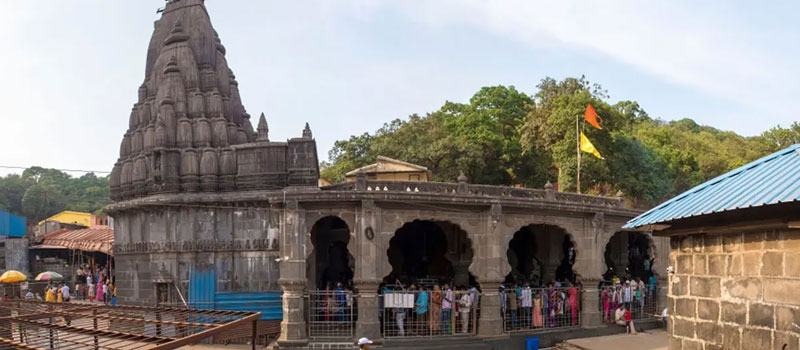
The temple's architecture that we can observe nowadays is from the Maratha era. It is assumed that Nana Phadnavis, a Peshawar stateman, helped to build and restore it. In addition, the temple's stone carvings and wooden buildings demonstrate the style of the same period. The complex shikhara (spire) is an excellent example of old artistry, which continues to wow the visitors.
Moreover, Bhimashankar has been cited in the Shiva Purana and others. It is said to have been meditated on by saints and sages for centuries. Similarly, the forests that surrounded it helped maintain its sanctity. At the same time, the temple was a spiritual and cultural centre of the Peshawar era.
But it has not kept apart through the trials of history. Conversely, the temple has survived through the times thanks to repeated renovations. To sum up, the history of Bhimashankar is a combination of mythology, Maratha Pride, and over 50 years of devotion, making it a treasure of Maharashtra.