Overview of Bhoramdeo Temple
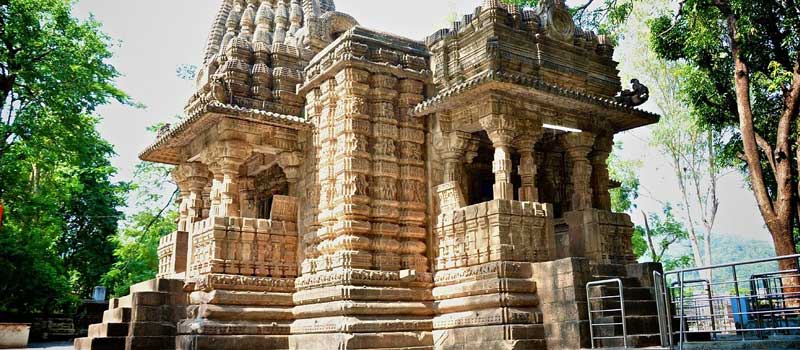
One of the most important temples of Lord Shiva is the Bhoramdeo Temple in the Kabirdham district of Chhattisgarh. Bordered by picturesque Maikal mountains, it has been commonly called the Khajuraho of Chhattisgarh due to its delicate stone carvings. Most importantly, the temple is a combination of religion, architecture, and history, and is a popular pilgrimage place.
The temple has a great religious significance because it houses Lord Shiva in his lingam form. They believe that the prayers presented here eliminate obstacles, provide peace, and lead to prosperity. Thus, thousands of pilgrims come to this temple annually, primarily during the Maha Shivaratri and other Shiva festivals.
Moreover, the serene surroundings of the forest and hills surrounding the temple add spiritual appeal to it. The singing, performance, and nature are what make the atmosphere divine. Above all, Bhoramdeo is not only a place of worship but also a cultural monument that demonstrates the culture of central India.
To most of the followers, a Bhoramdeo Temple Trip is a pilgrimage and a voyage of cultural experience. Actually, this temple still inspires faith and gives the visitors an opportunity to see the eternal customs and architecture of India.
Bhoramdeo Temple History
Bhoramdeo Temple has been in existence since the 7th to 11th centuries. The temple is a construction of the Nagvanshi kings, and it shows how much the rulers loved Lord Shiva. King Ramchandra of the Nag dynasty was a great devotee, according to inscriptions, who contributed to the development of the temple.
The architecture of this temple is similar to the Nagara style of North Indian temples. That is, it has a curvilinear shikhara (tower) and carved ornaments. The sculptures show Hindu mythological stories and rituals, and even depict scenes of daily life. Therefore, not only is the temple a place of worship, it is also a cultural history treasure.
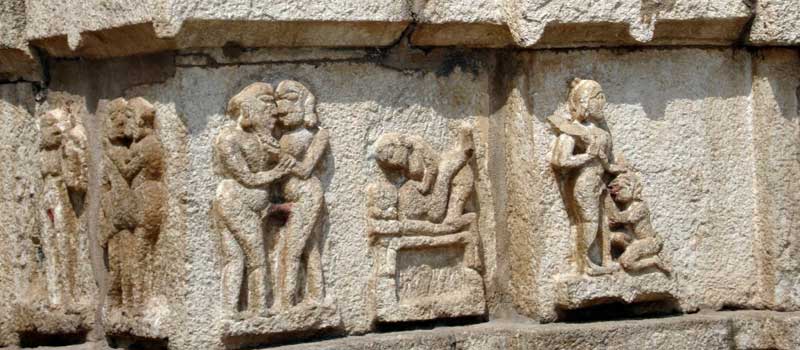
Due to its erotic sculptures, Bhoramdeo is referred to as the Khajuraho of Chhattisgarh. These carvings represent a combination of spiritual and worldly elements of life, Tantric practices of the time.
Moreover, it is historically indicated that the temple served as one of the main centers in Shaivism and Tantrism. The temple has withstood the natural constraints over the centuries to maintain its ancient beauty.
Summing up, Bhoramdeo Temple is a representation of religion, art, and history. It narrates the tale of dynasties that cherished faith and culture, and left behind a masterpiece to be appreciated by generations.
Attractions:
It is a great place with many attractions that portray the cultural and spiritual beauty of the complex of Borahmdeo Temple.
- Main Sanctum: This is dedicated to Lord Shiva as Bhoramdeo, where there is a beautiful Shiva lingam.
- Carrings and Sculptures: There are beautiful stone artworks that are carved to portray Gods, goddesses, and life scenes.
- Mandap (Pillared Hall): It is a large hall where rituals are practiced, which is supported by carved pillars.
- Erotic Sculptures: Uniqueness, uncarved carvings suggesting Tantric practices that are similar to those found at Khajuraho.
- Mini Temples: Smaller shrines near the main temple to different gods.
- Ornamental Doorways: exquisitely carved doorways where ancient artistry was practiced.
- Festival Grounds: Large areas that are used in Maha Shivratri and other festivals.
- Surrounding Environment: There are green forests and hills with a serene backdrop.