Bhubaneswar Travel Guide

  • Best time to visit:
    October – February
  • Ideal Duration:
    2-3 days
  • Visa:
    Not Required
5.0 - Excellent in TripAdvisor
Recommended by 99% of travelers
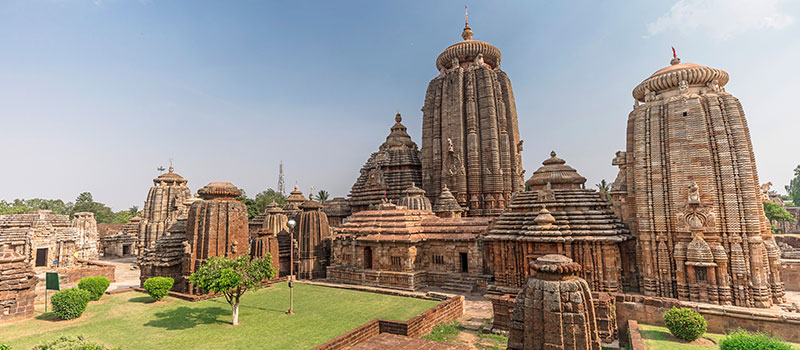
Lingaraj Temple
Lingaraj Temple
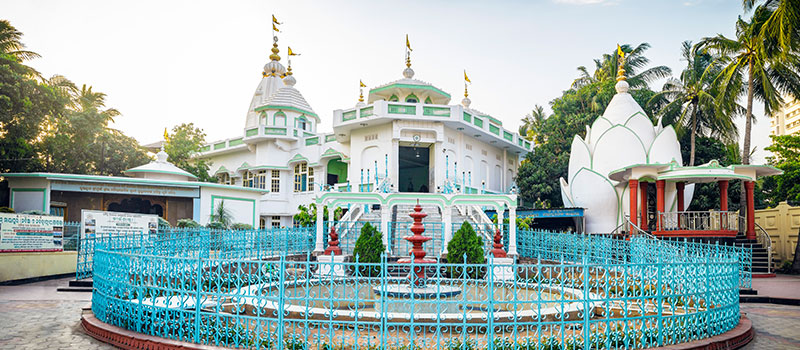
iskcon temple
Iskcon Temple, Bhubaneswar
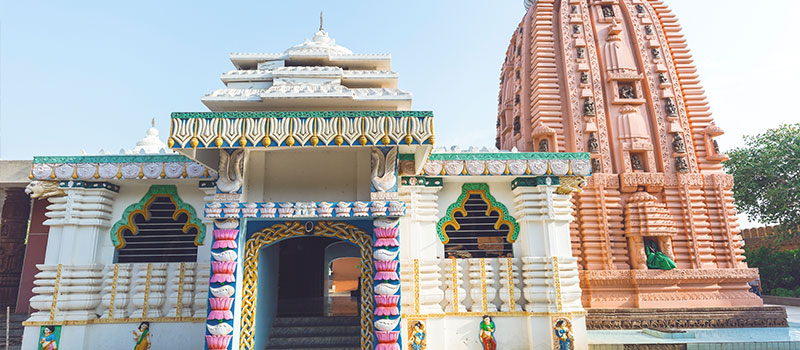
Bhubaneswar, Ram Mandir
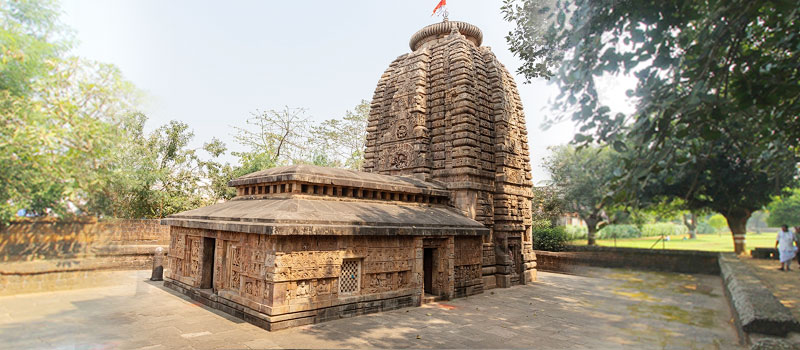
bhubaneswar Parsurameswara Temple
Bhubaneswar, Parsurameswara Temple

Bhubaneswar, Odisha

  • Temperature :
    Summer: Mar – Jun: 32°C to 45°C
    Monsoon: Jul – Sep: 25°C to 35°C
    Winter: Oct – Feb: 15°C – 28°C
  • Top Tourist Places:
    Lingaraj Temple, Mukteswara Temple, Rajarani Temple, Parsurameswara Temple, Ananta Vasudeva Temple, Vaital Deul Temple, Bindu Sagar Lake

Overview of Bhubaneswar

Bhubaneswar has been recognized as one of the holiest places in India, and it is also called the City of Temples. It is sometimes referred to as the door to the spiritual culture of Odisha. It is a great religious center for Hindus due to the presence of thousands of temples within the city. Most importantly, it is thought that a visit to these temples purifies sins and provides some spiritual peace.

To begin with, Bhubaneswar is the city connected with Lord Shiva, and numerous followers visit this city to get blessings. The Lingaraj is the most popular temple, and it has attracted thousands of pilgrims annually. This means that the city is not only a tourist destination, but also a large pilgrimage center.

In addition, the city has a unique significance due to the fact that it belongs to the golden triangle of Odisha, together with Puri and Konark. That is, no pilgrimage is complete without visiting Bhubaneswar. The architecture of these temples is in the Kalinga style, which provides cultural as well as religious significance.

Above all, the Bhubaneswar trip is filled with faith and devotion, plus art. People come to this city from all around the country, even the whole world, to experience its spiritual power. Finally, Bhubaneswar is a city that breathes history, culture, and divinity, and it is an ideal place to visit on a religious trip.

Bhubaneswar History

The history of Bhubaneswar is more than 3,000 years old. It was a Kalinga capital in the ancient Kalinga kingdom. It acquired popularity following the Kalinga War in 261 BCE, won by Emperor Ashoka. This war was fought just outside Dhauli near Bhubaneswar. Due to this war, Ashoka converted to Buddhism and preached peace.

Bhubaneswar is the ancient name of Bhubaneswar, which was called Ekamra Kshetra, or Mango Grove. Mango trees and thousands of temples of Lord Shiva were spread in the city. Thus, it became one of the sacred Shiva temples in India.

Moreover, the city thrived during the epoch of various dynasties like the Mauryas, the Shailodbhavas, and later on the Eastern Ganga rulers. Every dynasty added temples, monuments, and culture. Indicatively, a masterpiece of Kalinga architecture is the Lingaraj Temple, constructed in the 11th century.

In the medieval era, Bhubaneswar was still a place of art and culture, as well as religion. However, as invasions occurred and time passed, most temples were destroyed. Similarly, others remain sturdy as living monuments of piety and ability.

Today, Bhubaneswar is a planned city created in 1946 by German architect Otto Konigberger. It is a special cultural capital, which today combines old history with new infrastructure.
Attractions:

The city of Bhubaneswar is full of exquisite places that reveal its religious and cultural heritage.

  • Lingaraj Temple - A big 11th-century Temple dedicated to Lord Shiva.
  • Mukteswara Temple: This temple has elaborate carvings and a gateway arch.
  • Rajarani Temple: The temple is known for its unusual reddish sandstone construction.
  • Parsurameswara Temple: The Parsurameswara Temple is one of the oldest still existing temples, constructed in the 7th century.
  • Ananta Vasudeva Temple: The Vaishnavite temple is the only big one in Bhubaneswar.
  • Vaital Deul Temple- A Special tantric temple of Chamunda Devi.
  • Bindu Sagar Lake: A sacred water tank around Lingaraj Temple, where rituals are performed.

Getting There

By Train Bhubaneswar

By Train

Bhubaneswar Railway Station is among the busiest stations in Odisha. It is close to the big cities in India, like Delhi, Kolkata, and Chennai. As a result, the most popular mode of transport is travelling by train.

By Air Bhubaneswar

By Air

The city center is only 5 km away from Biju Patnaik International Airport. It serves both domestic and a few international flights to Bhubaneswar, such as Delhi, Mumbai, and Bengaluru. Due to this, air travel is the quickest mode of arriving at the city.

By Road Bhubaneswar

By Road

The city of Bhubaneswar has good national highways. Frequent buses connect the city with neighboring cities such as Puri, Cuttack, and Konark. Also, they can rent taxis or personal vehicles to tourists so that they can ride in comfort. The transportation network is well-paved and easy to navigate.

Best Time to Visit

Summer Season in Konark

Summer (March to June):

The weather in Konark is hot and humid during the summer months, from March to June. Temperatures may rise to 40°C. But evenings and early mornings are more comfortable. A tourist should also carry water, light garments, and sunscreen in the summer season.

Monsoon Season in Konark

Monsoon ( July to September):

The monsoon that occurs between July and September comes with heavy rains. This makes the temple environment green and cool. The rains beautify the temple, but can spoil plans to travel. Conversely, it is not crowded and thus is peaceful.

Winter Season in Konark

Winter (October to February):

The best season to visit is winter, which falls between October and February. It is a nice day with temperatures ranging between 12 °C and 25 °C. Furthermore, there is the well-known Konark Dance Festival, which takes place in December and includes guests of all nationalities.

RECOGNIZED AND ACCREDITATION

ministry of tourism
TAAI - Certificates
IATA - Certificates
patners