About Brihadeeswarar
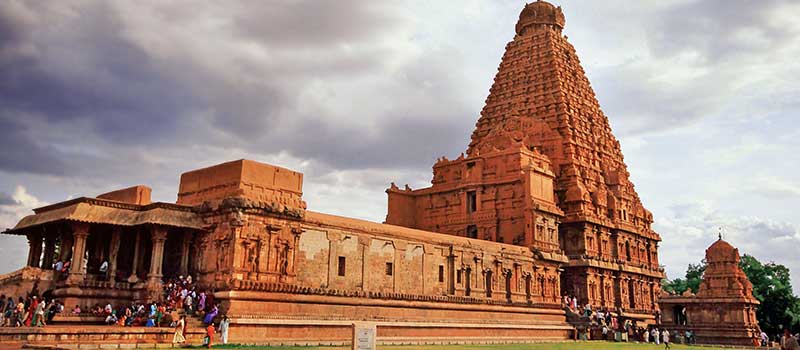
Brihadeeswarar Temple is one of the most renowned temples in India, situated in Thanjavur, Tamil Nadu. It is called Peruvudaiyar Kovil, one of the Shiva temples considered the epitome of Tamil architecture. Most importantly, the temple is very sacred to worshipers of Shiva. According to pilgrims, praying here brings peace, prosperity, and blessings of the gods.
In other words, the temple is not just a worship place but a sign of spiritual light. Thousands of pilgrims and tourists flock there daily to see its divine presence. It is also included in the UNESCO World Heritage Site group of the “Great Living Chola Temples.” This status marks its universal cultural value.
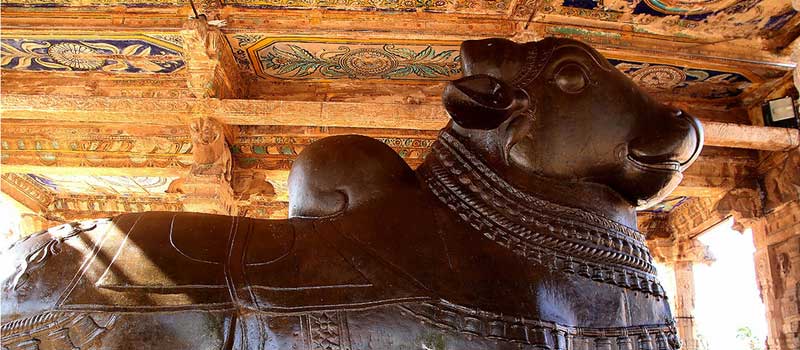
For example, the temple is distinct due to its high grand vimana (tower), which stands at 66 meters. They claim that it is supposed to represent the relation between the earth and the heavens. Similarly, another devotional attraction in the temple is its huge statue of Nandi, which is carved out of one stone.
Concisely, a Brihadeeswarar Trip is more than just a darshan; it is an experience of one of the most significant creations of ancient Indian architecture and spirituality.
Brihadeeswarar History
Brihadeeswarar Temple is more than 1,000 years old. To begin with, it was constructed by the powerful Chola ruler Raja Raja Chola I during the 11th century. It took a whole two years to complete in 1010 CE, and was built to demonstrate the strength and dedication of the Chola dynasty.
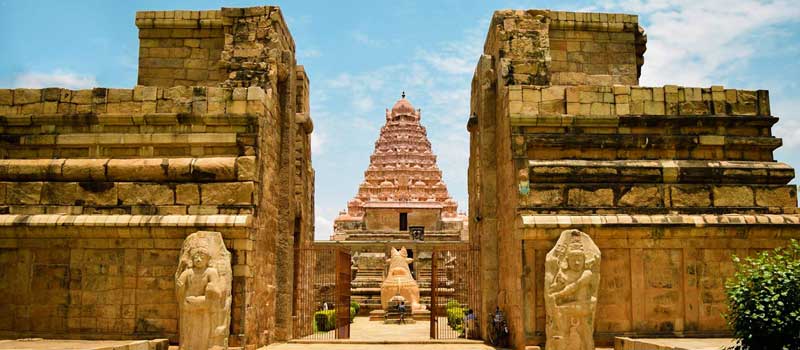
Also, the temple was constructed with splendor, a masterpiece of Dravidian architecture. It was built of granite stones, some imported from long distances. Most importantly, the gigantic vimana, towering more than 200 feet in the air, is a wonder even nowadays. The question among scholars has continued to be how these heavy stones could be elevated up there.
In addition, the temple inscriptions contain information concerning Chola administration, culture, and devotion. Grants done, donations, and rituals conducted are captured on the walls. That is to say: the temple was a spiritual, administrative, and cultural centre.
Later on, some were added under the Nayak and Maratha regimes, such as paintings and sculptures. It has been more than a millennium since the temple has endured natural disasters and invasions. Finally, Brihadeeswarar is an everlasting bearer of Chola glory and Indian heritage.