Chidambaram Travel Guide

  • Best time to visit:
    October to March
  • Ideal Duration:
    2-3 days
  • Visa:
    Not Required
5.0 - Excellent in TripAdvisor
Recommended by 99% of travelers
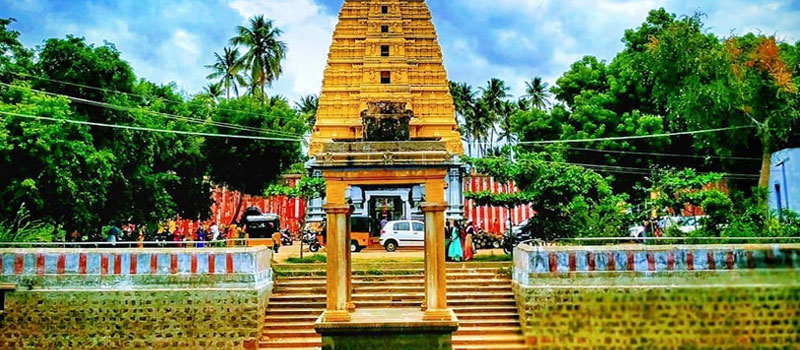
Nataraja Temple, Chidambaram
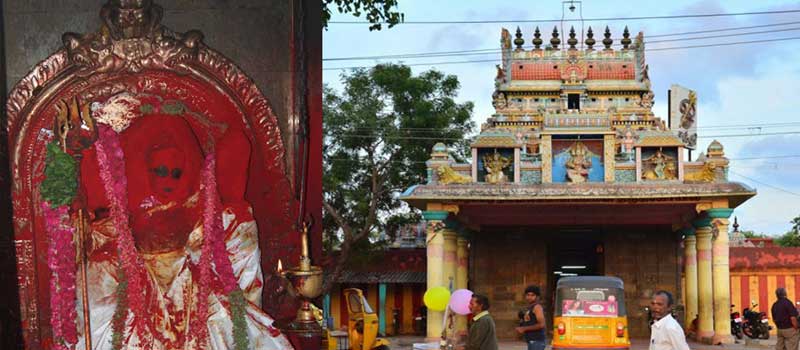
Thillai Kali Amman Temple
Pichavaram Mangrove Forest Chidambaram
Pichavaram Mangrove Forest
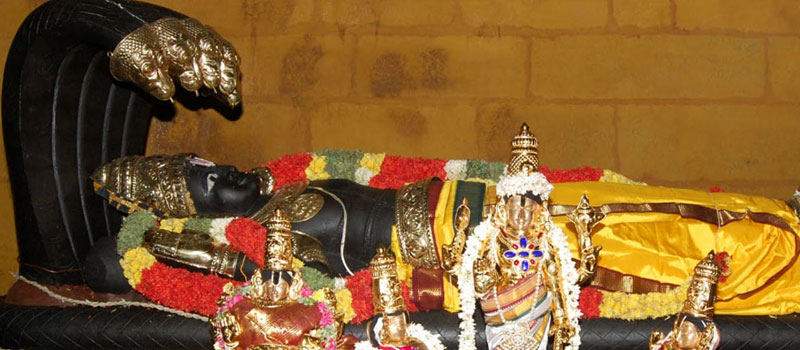
govindaraja perumal temple
Govindaraja perumal temple
Sivakami Amman Temple

Chidambaram, Tamil Nadu

  • Temperature :
    Summer: March – June: 28°C to 40°C
    Monsoon: July – September: 25°C to 35°C
    Winter: October – February: 20°C to 30°C
  • Top Tourist Places:
    Nataraja Temple, Thillai Kali Amman Temple, Pichavaram Mangrove Forest, Govindarajaperumal Temple, Sivakami Amman Temple

Overview of Chidambaram

One of the most sacred towns in South India is Chidambaram, which is situated in Tamil Nadu. Most of all, it is known for its splendid Nataraja Temple, which was devoted to Lord Shiva in his form of the cosmic dancer. The temple is not only a spiritual, cultural, and architectural symbol but also a religious site. Most importantly, there are thousands of pilgrims annually, which consequently makes Chidambaram a key spiritual center.

The temple is the relationship between the human soul and the divine universe. As such, worshippers are convinced that visiting this place purifies both the mind and the body. It is regarded as one of the few temples to worship Lord Shiva as a cosmic dancer, the representative of endless energy. Therefore, individuals both nationally and internationally arrive to observe its religious importance.

For example, religious practices in the temple are rooted in tradition and followed by families of Dikshitars who have carried out this religious obligation through generations. Similarly, the architecture expresses the talent and labor of the ancient artisans. Chidambaram provides not just divine graces but also a rich culture.

A Chidambaram Trip undoubtedly helps visitors feel the faith, history, and heritage together. Briefly, it is a place that both religionists and cultural enthusiasts should not miss.

Chidambaram History

Chidambaram's history is over two thousand years old. To begin with, the Chola dynasty constructed the Nataraja Temple, and thus it became their cultural centre. The shrine was reputed to be the place of worship of the cosmic dance of Lord Shiva. Secondly, subsequent rulers, including the Pandyas, Vijayanagara kings, and Nayaks, also helped in its growth.

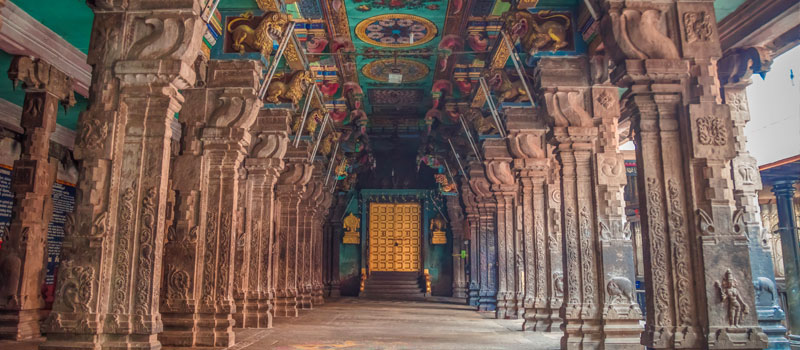
The temple complex was expanded, and gopurams, halls, and sacred tanks were added. To beautify and increase devotion, the Vijayanagara kings added the thousand-pillared hall. Nevertheless, the temple was also invaded in medieval times and was reconstructed many times, demonstrating its eternal significance.

Furthermore, Chidambaram used to be a centre where he used to learn. Sanskrit and Tamil saints came to this place to impart spiritual knowledge. The temple is also a unity symbol, as both Lord Shiva and Lord Govindaraja Perumal can be found in the temple, demonstrating a unity and compatibility between Shaivism and Vaishnavism.

Further, history points out that the kings used the temple to hold coronations and festivals. Similarly, South-Asian art was inspired by bronze statues of Lord Nataraja of Chidambaram. Then, in the colonial era, Chidambaram was still an epicenter of the Tamil culture.

To explain, the history of Chidambaram is relevant in terms of architecture, faith, culture, and resilience. Its history, in sum, still inspires millions of visitors who visit the site to see a living tradition.
Attractions:

Chidambaram is a blend of religious, cultural, and natural attractions. Each site has its own charm.

  • Nataraja Temple: It is the main one, which is devoted to the cosmic dance of Lord Shiva.
  • Thillai Kali Amman Temple: This temple is dedicated to the goddess.
  • Pichavaram Mangrove Forest: It is a natural marvel, where you can take a relaxing boat ride.
  • Govindarajaperumal Temple: A temple that exhibits the Shaivism and Vaishnavism harmoniously.
  • Sivakami Amman Temple: It stands next to the Nataraja Temple, a temple of Goddess Parvati.
  • Annamalai University: A historic culture and educational centre of the Tamil people.
  • Chidambaram Mangrove Eco-tourism: An Ideal place to visit as a nature lover and bird watcher.
  • Sacred Tanks (Tirumoolattan and Shivaganga): These are considered to be used during ceremonies and celebrations.

Getting There

Chidambaram has good road, rail, and air connectivity.

By Train Chidambaram

By Train

Chidambaram has a railway station connecting it to Chennai, Tiruchirapalli, and Madurai. Major city trains pass by here very often. It is thus the most convenient mode of pilgrimage.

By Air Chidambaram

By Air

Tiruchirapalli International Airport is the closest airport, approximately 150km away. For example, it is regularly linked to Chennai, Bengaluru, and international flights. Following that, some taxis and buses can take people to Chidambaram.

By Road Chidambaram

By Road

Chidambaram is located on the Chennai-Nagapattinam highway. Moreover, they have regular buses between Chennai, Pondicherry, and Trichy. The journey is also smooth with the help of private cabs and cars. Thus, road trips are common between groups and families.

Best Time to Visit

Chidambaram is a place that can be visited throughout the year, and some seasons are more favorable.

Summer Season in Chidambaram

Summer (March to June):

The summer temperatures may reach higher than 35 °C. But morning and evening are good, also. So, when you visit temples, be at the temple early.

Monsoon Season in Chidambaram

Monsoon ( July to September):

The town gets average rainfall. As a result, the environment becomes green. To illustrate, this season is pleasant for visiting the Pichavaram mangroves. Conversely, the existence of heavy rain could restrict the comfort of traveling.

Winter Season in Chidambaram

Winter (October to February):

It is the most appropriate time to visit Chidambaram. Most importantly, the temperatures are between 20 °C and 28 °C, so it is the best place to sightsee. Many people, such as Arudra Darshan and Margazhi, attend such events. To sum it up, pilgrims and tourists are welcome in winter.

RECOGNIZED AND ACCREDITATION

ministry of tourism
TAAI - Certificates
IATA - Certificates
patners