About Dharmasthala Temple
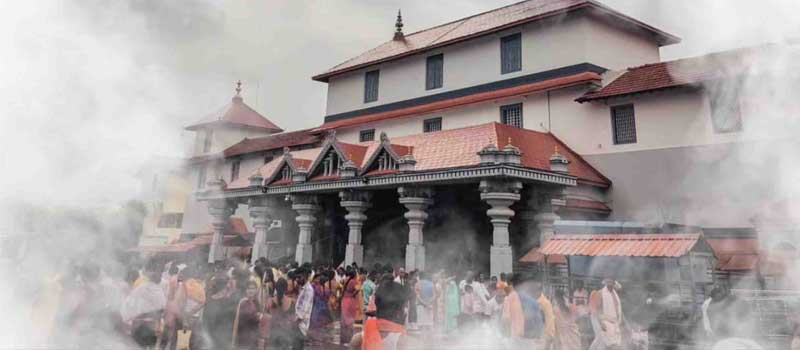
Dharmasthala temple is ranked among the most sacred temples in Karnataka. It is devoted to a form of Lord Shiva named Lord Manjunatha. And, above all, the temple is a guarantee of faith, charity, and cultural unity. People across India visit this shrine, and they come here to get blessings and peace.
In other words, it is a special temple since a Jain family runs this temple, but Hindu priests execute rituals. As a result, it depicts harmony among the various religions. It is a place of prayer where followers think their prayers are rewarded with prosperity, spiritual power, and peace. In addition, thousands of pilgrims arrive daily to receive free meals or annadanam.
That is to say that the temple is not only strictly religious but also a building of service and mercy. Pilgrims are fond of visiting the place as they get both spirituality as well as social care. For example, tourists can be involved in rituals, hear devotional songs, and feel the environment of peace and spirituality.
To sum it up, a Dharmasthala Temple Trip is not just a trip, but a confluence of worship, service, and cultural heritage in one.
Dharmasthala Temple History
The Dharmasthala Temple has a strong history of faith and tradition. It is said that angels told a Jain chieftain named Birmanna Pergade to start offering his house to the service of the lord Dharma. This led the place to be a holy place of righteousness and devotion.
Most importantly, Lord Manjunatha, an incarnation of Lord Shiva, was later enshrined at this place. The temple is unique since it boasts of the Jain Pergade family managing the administration of the people, whereas Shaivite traditions influence daily practices. This combines both Jain values and Hindu prayer, which is uncommon; hence, the temple is historically important.
Above all, the Pergade family has controlled the temple for centuries. They have always emphasized service, education, and healthcare. For example, free meals are provided daily, based on the principle of charity. Similarly, schools, hospitals, and cultural institutions are being run under the temple trust.
Some inscriptions talk about renovation in various dynasties, including the Vijayanagara dynasty. Eventually, the temple became a spiritual and cultural epicentre. Historically, you will see an excellent moderation of religion, good deeds, and cultural integrity at the Dharmasthala Temple.
Attractions:
Dharmasthala provides religious engagements and cultural attractions. The visitors can visit several attractions.
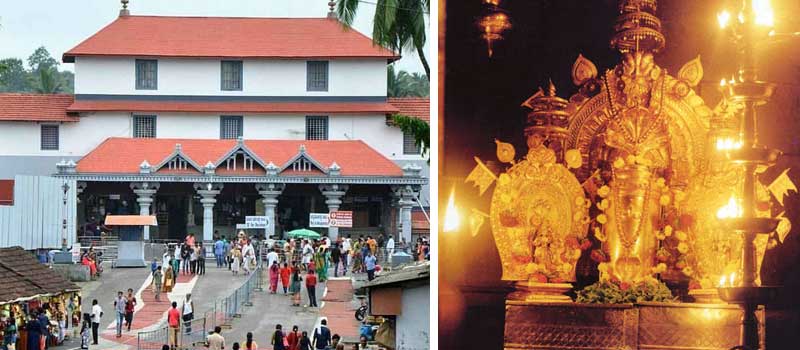
- Sri Manjunatha Temple: The primary temple that has the Atmalinga of Lord Shiva.
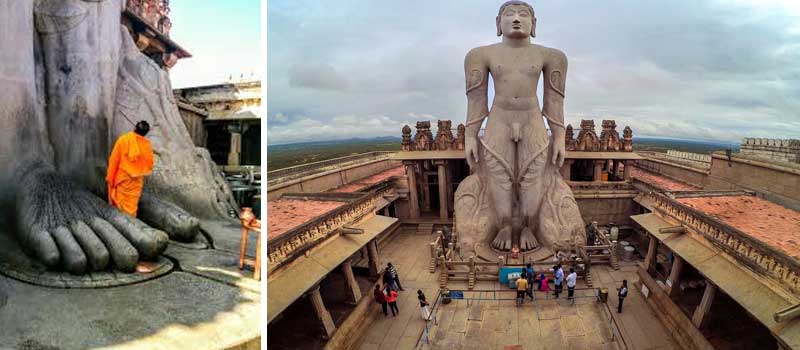
- Bahubali Statue- A majestic single-piece sculpture that represents the Jain history
- Annadanam Hall provides free meals to thousands every day.
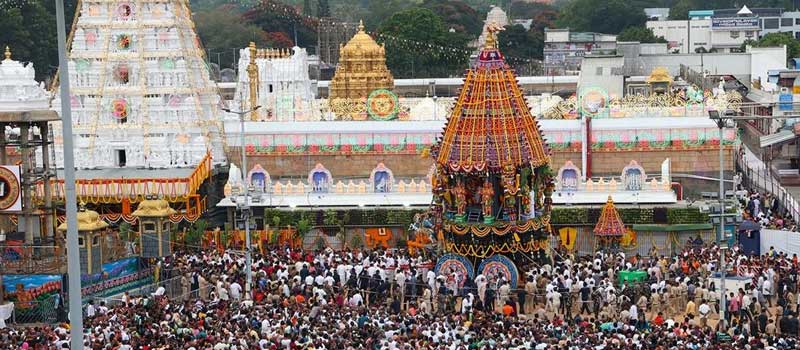
- Rathotsava or Car Festival is a grand annual celebration with enormous splendor.
- Manjusha Museum - Displays archeological information, antiques, and the temple's history.
- Netravathi River - Pilgrims bathe before entering the temple
- Shri Chandranatha Basadi - A Jain temple signifying harmony of religions.
- Educational Institutions - The schools and colleges are under the temple trust.