Overview of Dilwara
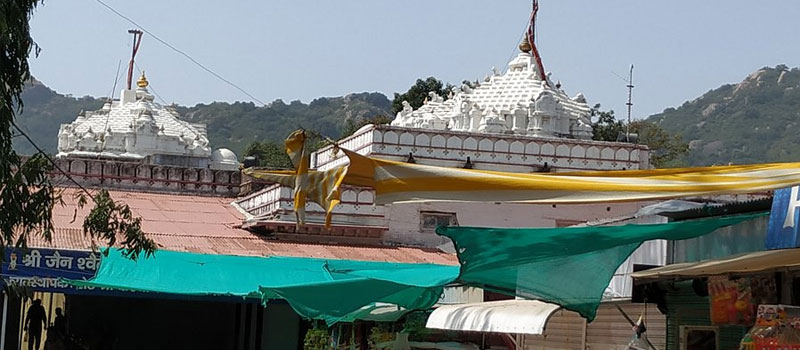
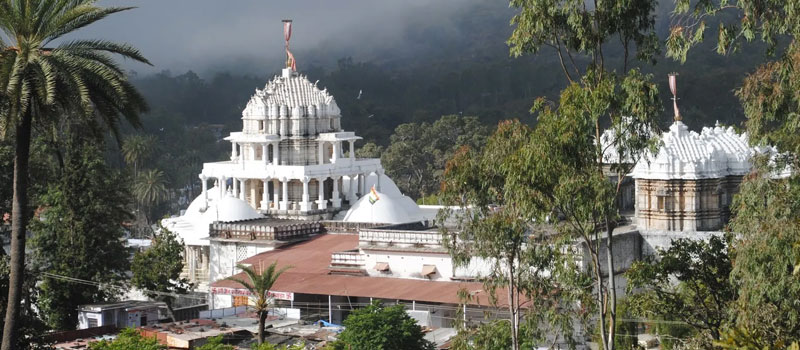
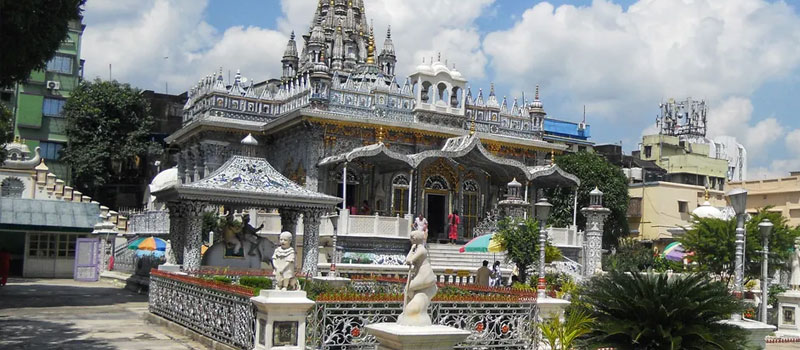
Dilwara, a small village near Mount Abu in Rajasthan, is the place of the renowned Dilwara Jain Temples. Most importantly, it is a holy pilgrimage place of Jain devotees and a masterpiece of ancient Indian art. In addition to its religious significance, these temples are also appreciated because of their spectacular marble sculptures. Above all things, all visitors feel peaceful and awed within these temples.
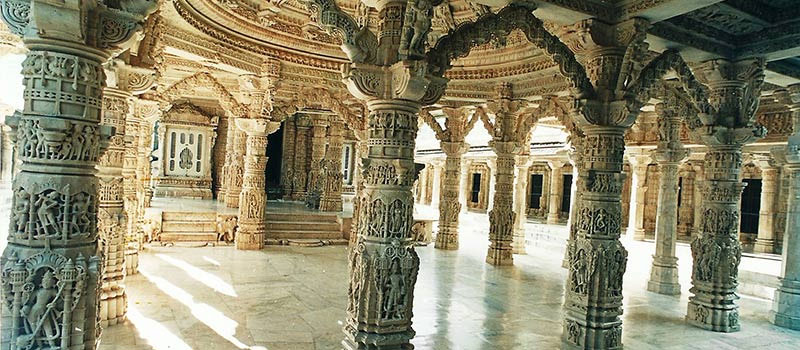
The temples are devoted to other Jain Tirthankaras and symbolize faith, devotion, and discipline. That is to say, they represent the Jain faith in simplicity and unsurpassed architectural splendour. An example is the elaborate marble ceilings, pillars, and doorways, which have been a wonder to scholars, architects, and travelers over the centuries. As a result, the Dilwara has become one of the most fantastic attractions among pilgrims and tourists.
Besides, the tranquility and the natural environment add a spiritual sense to the location. Similarly, the temples are not only worship places, but also a living cultural heritage. In addition, they capture principles of purity, peace, and devotion.
Undoubtedly, a Dilwara Trip is not only a pilgrimage. It is also an opportunity to see history and art meet spirituality. In brief, Dilwara is an eternal masterpiece of religion and grace.
Dilwara History
Dilwara temples have a history dating back to the 11th and 13th centuries. The first point is that Jain ministers and wealthy merchants of the Solanki dynasty constructed these temples. Secondly, they wanted to make a worshiping site that could also show the splendor of Jain art.
The Vimal Vasahi Temple is the oldest and was constructed in 1031 AD by Vimal Shah, who served as a minister of Solanki ruler Bhimdev I. Subsequently, other temples, such as Luna Vasahi, Pithalhar, Parshvanath, and Mahavir Swami, were appended. The carvings and stories associated with the temples are unique to each temple. An example is the Luna Vasahi, which was constructed in 1230 AD by two brothers, Vastupal and Tejpal, who were ministers in the Vaghela dynasty.
In addition, sculptors used white marble that was imported to the Indian Arasoori Hills. They are so finely carved that they appear fresh and unseen for centuries. In the meantime, the temples were difficult to repair when invaded, but were rebuilt by the Jain communities. Similarly, they have been well taken care of to retain their magnificence.
In other words, the history of Dilwara is not only the history of kings and ministers but also the history of artisans who made something immortal. In summation, these temples represent piety, imagination, and unrivaled artistry.
Attractions:
Dilwara has a couple of attractions in its temple complex and environs. Here are the main highlights:
- Vimal Vasahi Temple: This temple is devoted to Adinath, the first Tirthankara.
- Luna Vasahi Temple: Construction of this temple was dedicated to the brothers of Vastupal and Tejpal.
- Pithalhar Temple: This temple has a big idol of Adinath, which is made of brass.
- Parshvanath Temple: It has elaborate four-faced entrance gates.
- Mahavir Swami Temple: It is not huge, but it has beautiful paintings.
- Mount Abu: Within easy reach, with hills, lakes, and vistas.
- Nakki Lake: This lake is famous for boating and night strolls.
- Guru Shikhar: Aravalli ranges peak, which is near Dilwara.