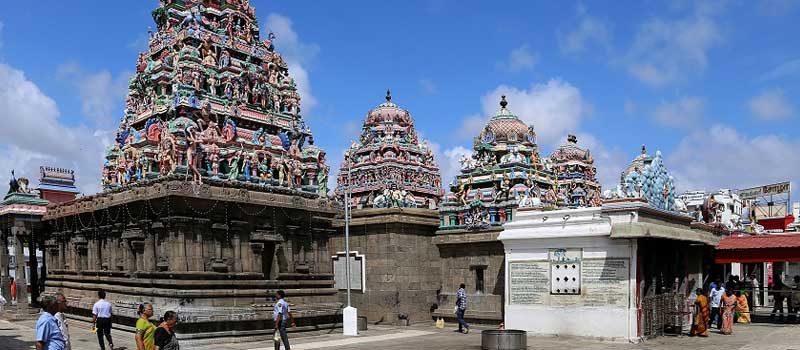
About Guruvayur Temple
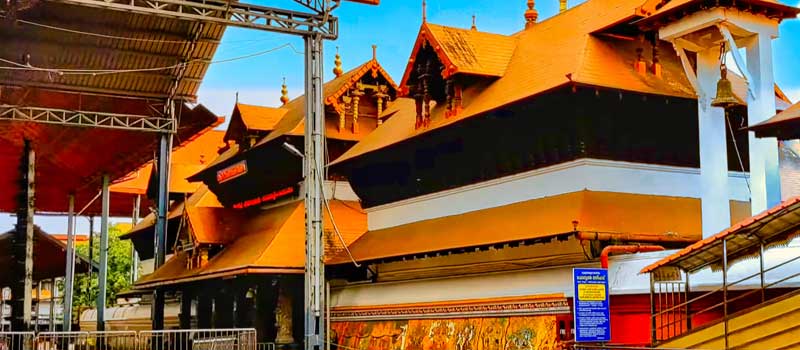
Guruvayur Temple is one of the most significant Hindu pilgrimage centers in Kerala. It is a devotional temple of Lord Krishna, who is known here as Guruvayurappan. Most importantly, the temple has been called the Dwarka of the South due to its spiritual significance. Millions of pilgrims come each year to be blessed and to find peace.
In other words, people feel that the deity here is mighty and kind. Pilgrims come out to be healed, prosper, and derive spiritual fulfillment. The rituals and prayers that are a part of the temple and the cultural festivals add to a feeling of piety. Further, the temple is famous for unusual customs such as elephant offerings and Kerala art forms.
Above all, the peaceful landscape makes the followers of religion feel nearer to god. For example, families bring children to their first rice-feeding ceremony, which is known as Annaprashan. Similarly, weddings and other religious rituals are also held here in high sanctity. Due to this, the Guruvayur Temple has special significance to the devotees.
To summarize, the Guruvayur Temple Trip is full of faith, tradition, and cultural diversity. The visitors are left with the feeling of spiritual pleasure and divine connection.
Guruvayur Temple History
Guruvayur Temple has a rich history of legends and facts. As per mythology, lord Vishnu himself worshipped the image of Lord Krishna. The idol was presented later to Lord Brahma and then to King Sutap. Later, Guru (the teacher of the Gods) and Vayu (the wind God) transported the idol to Kerala. Because of this, the temple was then named Guruvayur.
More importantly, Tamil literature of the 14th century contains historical allusions to the temple. The inscriptions indicate that the temple existed as a place of worship before the 16th century. However, the temple was destroyed when Tipu Sultan invaded it in the 18th century. This was subsequently rebuilt by the local faithful, who demonstrated their persistence in faith.
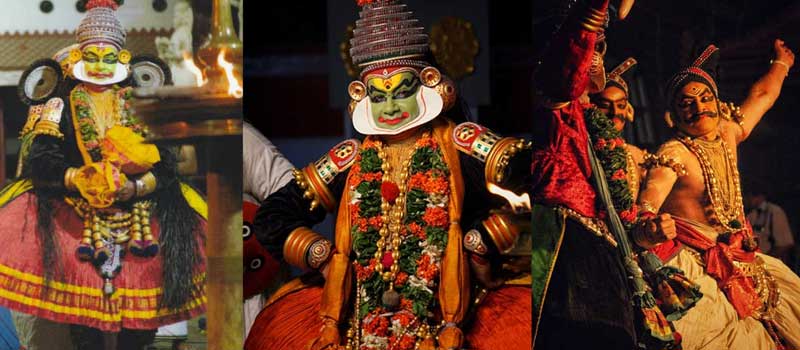
Moreover, Guruvayur Temple contributed to the cultural and social evolution of Kerala to a great extent. For example, it patronized the arts like Kathakali and Krishna nattam (traditional arts). In addition, the temple gained a reputation for its strict adherence to rituals and traditions that have not changed.
In a nutshell, the history of Guruvayur Temple combines mythology, endurance, and traditions to create an eternally sacred place of worship.
Attractions:
There are many places of attraction in Guruvayur and its surroundings:
- Sri Krishna Temple - The principal shrine of Guruvayurappan.
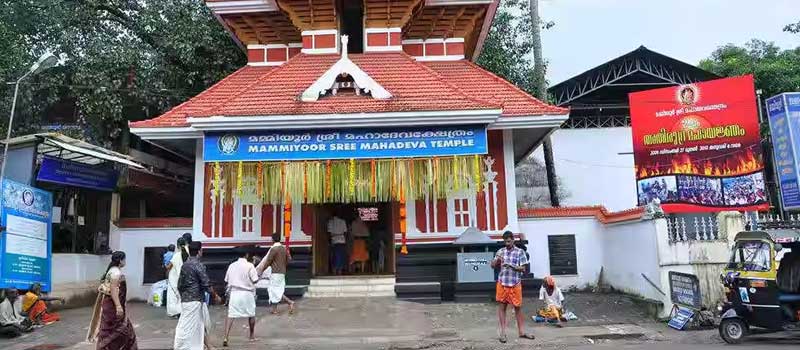
- Mammiyoor Shiva Temple: This is a temple close to Shiva.
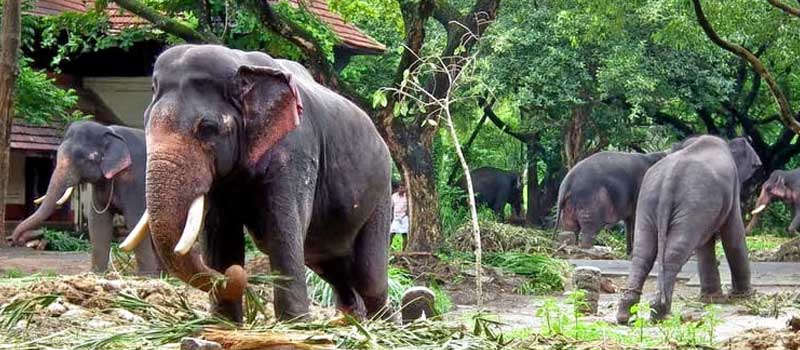
- Elephant Camp (Punnathur Kotta) - More than 50 temple elephants can be found here.
- Annaprashan Ceremony: This is the ritual of feeding rice to children.
- Krishnanattam Dance: A traditional dance that tells about Krishna's life.
- Chembai Music festival - Annual Carnatic music festival in tribute to Chembai Vaidyanatha Bhagavathar
- Parthasarathy Temple -The temple of Lord Krishna as the charioteer of Arjuna.
- Temple festivals: The festivals include Ekadasi, Janmashtami, and Vishu.