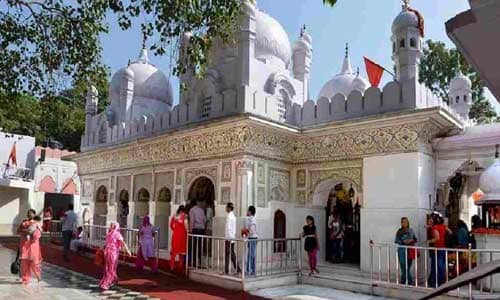
Jwala Ji, Himachal Pradesh

  • Best time to visit:
    March to October
  • Ideal Duration:
    1-2 Days
  • Visa:
    Not Required
5.0 - Excellent in TripAdvisor
Recommended by 99% of travelers
Jwala Ji Temple
Jwala Ji Temple
Jwala Ji Temple, 51 Shakti Peethas in India

Jwala Devi Temple

  • Temperature :
    Summer Season: April to June - 29°C
    Winter Season: November to March - 11°C
    Rainy Season: July to September - 31°C
  • Top Tourist Places:
    Kangra Fort, Kareri Lake, Brajeshwari Temple, Pragpur, McLeod Ganj, Masroor Rock Cut Temple, Hamirpur, Maa Chintpurni Temple, Kangra Art Museum

About Jwala Ji

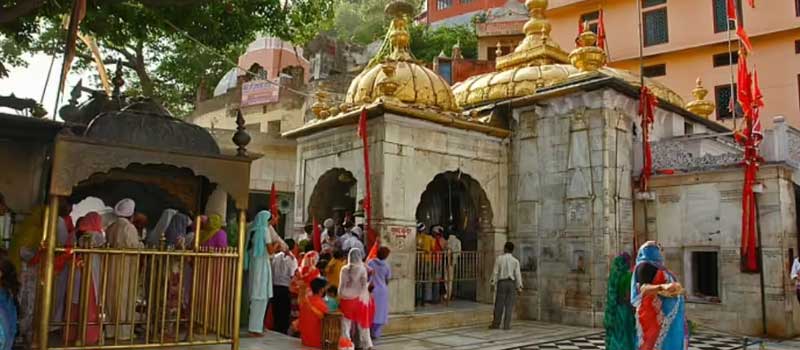
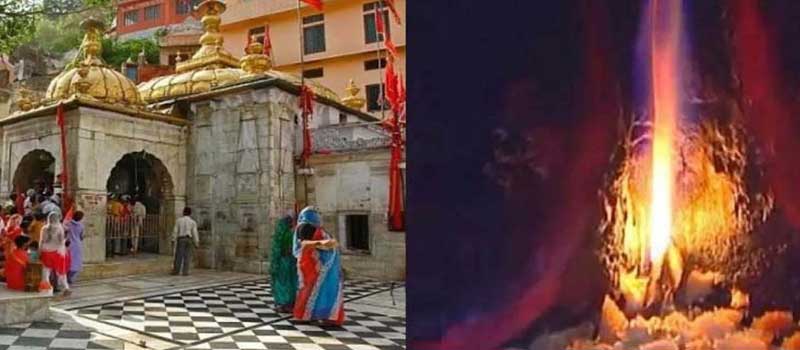
The Jwala Ji Temple is a sacred pilgrimage in the Kangra Valley of Himachal Pradesh. It is devoted to a goddess, Jwala Ji, or the Flaming Goddess because constant flames erupt around the temple. The temple is a significant component of the 51 Shakti Peethas in India. It is believed that various parts of Goddess Sati fell at these temples, and the goddess' tongue is said to have fallen at Jwala Ji. To believers, a trip to Jwala Ji Temple is a pilgrimage where the forces of God and nature merge.

+ Read More

The History of Jwala Ji Temple

Jwala Ji Temple has a mythological history. The temple is supposedly erected by the great sage Agastya, who is supposed to have called on the goddess. The fire that existed centuries ago was created by nature and is said to be a gift of the goddess. The local folklore states that the tongue of Lord Shiva consort of Goddess Sati, fell on this place and is considered one of the most powerful Shakti Peethas.

The temple was renovated in the 19th century by Maharaja Kesar Singh of Chamba, who constructed the main sanctum. The peculiarity of this temple is that it has a continuous burning fire that does not serve a specific external source. The pilgrims feel that the goddess is in the fire, which is of spiritual importance.

Attractions in Jwala Ji:

The Jwala Ji Temple is a picturesque temple with captivating scenic views, and it has very special attractions:

  • Eternal flame: The temple's major tourist attraction is its constant flame burning within the temple, which signifies the divine presence of Goddess Jwala Ji.
  • Bhairav Temple is a small temple of Lord Bhairav, a guardian deity per the Hindu faith. It is a must-see, located close to the main temple.
  • Surrounding Hills: The temple is surrounded by beautiful hills, and it is the place where you can meditate and think.
  • Local Market: There is a local market around the temple where you can purchase religious artifacts, sweets, and souvenirs.

Tourist Places Near Mata Jawalamukhi Temple

  • Mata Baglamukhi Temple
  • Kaleshwar Mahadev Temple
  • Panch Thirthi Temple
  • Ram Temple (Teda Mandir)
  • Ashtbhuja Temple
  • Bajreshwari Devi Temple Kangra
  • Chamunda Devi Temple
  • Mata Chintpurni Temple

Jwala Ji Tour Packages

Vaishno Devi Darshan
7 Nights / 8 Days

Nine (9) Nav Devi Darshan Yatra Package

Delhi - Chandigarh - Mansa - Kangra - Dhramsala - Vaishno Devi - Amritsar - Delhi

Starting Price

price on request

Getting There

The Jwala Ji Temple is a well-connected temple located in several cities and towns in Himachal Pradesh. The temple has many access modes, though it is situated in a hilly area.

By Train Jwala Ji Temple

By Train

The local railway station is situated at Una, nearly 50 kilometers away from the Jwala Ji temple. At this point, you can go to the temple by taxi or by bus. The alternative would be Pathankot Railway Station, which is much closer and has a better connection with major cities. However, it is approximately 100 kilometers away.

By Air Jwala Ji temple

By Air

The closest Airport to Jwala Ji temple is the Gaggal Airport in Dharamshala, which is roughly 40 kilometers away. One can then use a taxi or a local bus to the temple. Dharamshala is also well-linked with big cities such as Delhi and Chandigarh.

By Road Jwala Ji

By Road

The temple is easily accessible by road. To reach Jwala Ji, one can take a bus or hire a taxi; the starting point would be Kangra. The highway trip to Kangra is beautiful, and you can admire the hills. Buses also connect cities such as Delhi and Chandigarh with the temple.
Best Time to Visit

Jwala Ji Temple can be visited throughout the year. However, the most appropriate time to visit the temple can vary depending on the preferences and the climatic conditions.

Summer Season in Jwala Ji Temple

Summer (March to June)

The Jwala Ji Temple can be visited in the summer months, which are regarded as the most appropriate time to visit the temple. The climate is good, 20-35 degrees Celsius. It is surrounded by green hills with vegetation, and the viewing and trekking are ideal here. It is high time that most devotees visit the place to obtain the blessings of the goddess.

Monsoon Season in Jwala Ji Temple

Monsoon (July to September)

During monsoons in Himachal Pradesh, a lot of rain may occur, which can result in landslides and transportation problems. The temple is also accessible during the monsoon; however, this is not the best time to visit as roads may be blocked and the pathways slippery. Nonetheless, the monsoon can interest you if you admire misty hills and lush greenery.

Winter Season in Jwala Ji Temple

Winter (October to February)

Winters in Jwala Ji Temple can be severe, and the weather may drop below 5 °C during winter. The region has snowfall, most notably in December and January. Although winter might scare some people away, it is a quiet and calm experience for people needing solitude. Be sure to prepare for cold weather if you visit during this time.

RECOGNIZED AND ACCREDITATION

ministry of tourism
TAAI - Certificates
IATA - Certificates
patners