Overview of Konark Sun Temple
Konark Sun Temple is among the most renowned religious monuments in India. It is a religious icon and a cultural treasure. This temple is dedicated to Surya, the Sun God, who has been worshipped for centuries as the bringer of life and energy. Thus, most worshippers believe that they can get well, prosper, and have tranquility by visiting the temple. That is, it is not merely an ancient monument; it is also a place of strong faith.
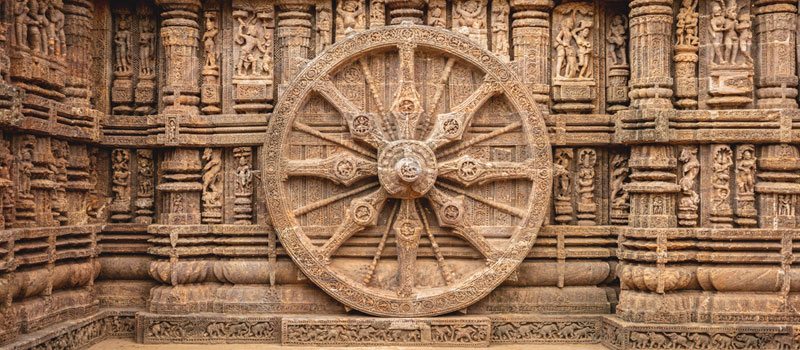
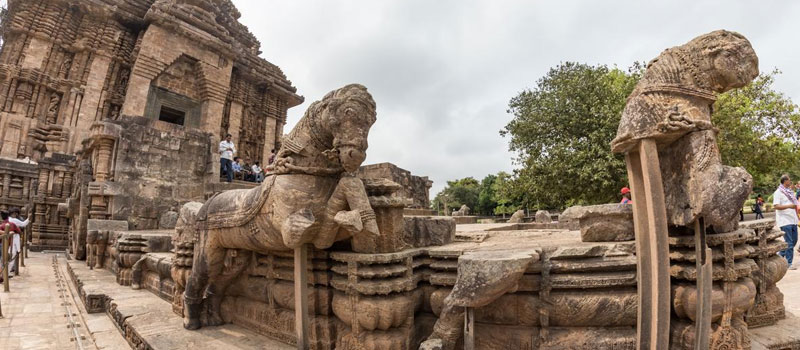
Most importantly, individuals visit this temple to pray and ask the Sun God to be blessed. The temple is built so that it looks like a giant chariot that has twelve wheels and is being pulled by seven horses. The wheels symbolize time and movement, and this demonstrates the never-ending circle of life. Consequently, people have a spiritual connection with it as they view the magnificence of this god made design.
More so, pilgrims tend to think that sins can be purged through prayer here to provide strength to face challenges. The religious seekers visit the temple because of the rituals and stories surrounding it. Besides, the temple is also a symbol of devotion/art, which makes it special.
Simply put, the Konark Sun Temple is the favorite of both devotees and travelers. It is where art collides with spirituality and faith collides with history. Thus, every year, millions of people come to this holy place to feel its stunning presence, praying and admiring the beauty of one of the most important spiritual places in India.
Konark Sun Temple History
The Konark Sun temple is dated to the 13th century. King Narasimhadeva I of the Eastern Ganga Dynasty constructed it in 1255 CE. The temple was built as a great sacrifice to the Sun god Surya and to show the devotion and might of the dynasty.
First of all, the temple was constructed in the form of a chariot of the Sun, with twelve really carved stone wheels and seven splendid horses. Individual elements are carved in detail on every wheel and may even be used as a sundial, demonstrating the genius of ancient Indian construction. Thus, the temple turned into an astronomical marvel as well as a place of worship.
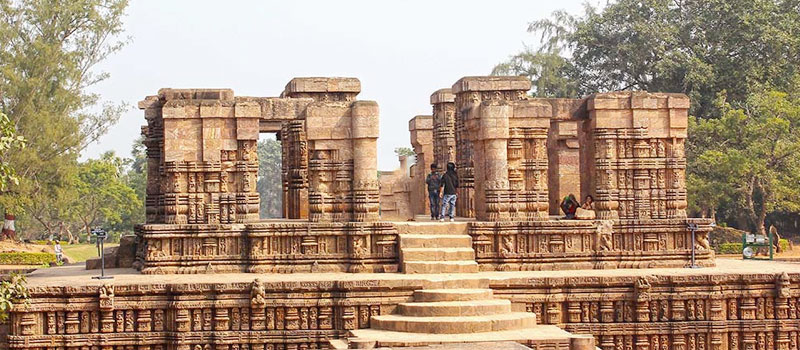
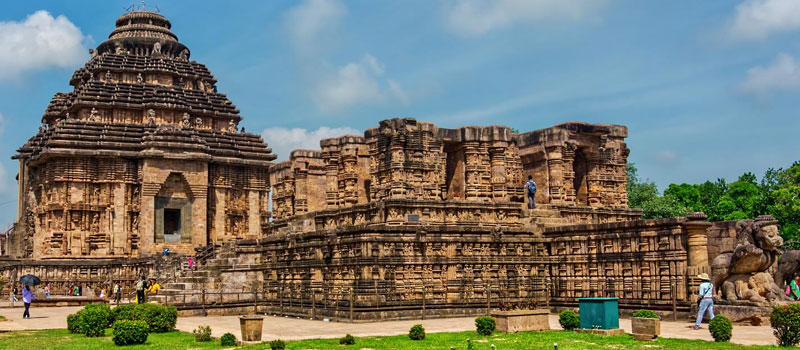
However, history also shows that the temple had serious problems. Throughout history, the temple was destroyed by natural wear and tear, invasion, and time. As an example, the main sanctum no longer exists, which used to have a huge image of Surya.
Above all, even after the damage, there is no comparison in the craftsmanship of the surviving structures. The walls have sculptures of deities, dancers, musicians, and even daily life scenes. Similarly, erotic sculptures, in the manner of Khajuraho, are indicative of ancient Indian artistry.
Moreover, Konark also turned into a significant cultural hub and a UNESCO World Heritage Site in 1984. Today, the temple has been preserved as a monument. Most importantly, it is an embodiment of remembrance, ability, and artistry. Finally, the history of this temple illustrates that faith and architecture united to make an everlasting masterpiece.