Overview of Mahakaleshwar Jyotirlinga
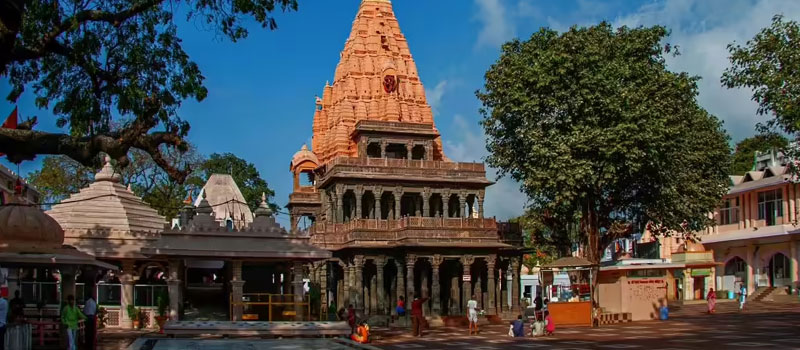
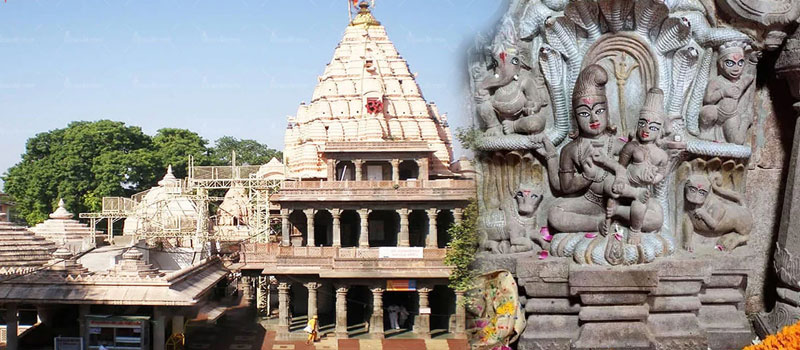
The Mahakaleshwar Jyotirlinga in Ujjain, Madhya Pradesh, is amongst the most important temples of Lord Shiva. It is one of the 12 Jyotirlingas in India, and is thus a very sacred place among Hindus. But most importantly, it is imperative as it is the one and only Jyotilinga, where it is possible to worship Lord Shiva as Mahakal (the Lord of Time and Death). Worshippers feel that a visit to this sacred temple frees them of their earthly anxieties and offers them blessings of security and tranquility.
The temple is located along the shores of the sacred Kshipra River, which is already regarded as a place of spiritual significance. Millions of worshippers travel to Ujjain every year to experience the supernatural power of this Jyotirlinga. Above all, the renowned Bhasma Aarti, which is conducted every morning, is a special ceremony that draws pilgrims worldwide.
Thus, individuals pay visits here not just to receive blessings but to feel its pure spiritual ambience. The Mahakaleshwar Jyotirlinga Trip is not a mere travel experience for many but a spiritual journey that changes their life. Simply put, the temple is a rightful place of worship and religious beliefs, and it remains a crucial place to find inner peace and divinity.
Mahakaleshwar Jyotirlinga History
The Mahakaleshwar Jyotirlinga has a history that contains myths and facts. The temple became very famous, according to legend, when Lord Shiva appeared in the form of Mahakal to save the people against a demon called Dushana. Ujjain or Avantika has been a spiritual center since ancient times, and Mahakaleshwar has been at its center.
In ancient literature, the temple is mentioned in a number of ancient texts, including the Puranas. The famous poet, Kalidasa, also wrote about Mahakaleshwar. The temple was referred to in the 4th century in the reign of the Gupta dynasty. It later thrived in the reign of rulers who favored Hindu culture.
However, invasions in the medieval age led to destruction, and multiple reconstructions of parts of the temple were made. Later, the temple was restored in the 18th century by the Maratha monarch Ranoji Shinde, who provided the temple with much of its current appearance.
Moreover, the Mahakaleshwar temple has been at the heart of the renowned Kumbh Mela, which is held every 12 years in Ujjain. As a result, the temple has continued to be a symbol of strength and religious/religion. Finally, its history embodies not just the religious meaning, but also the cultural power of the spiritual heritage of India.