Overview of Omkareshwar Temple
Omkareshwar Temple is an annual sacred Jyotirlinga of Lord Shiva found in Madhya Pradesh. Constructed on the holy Mandhata Island in the form of the sacred symbol of Om, the temple has immense spiritual significance to the Hindus. Most importantly, it is said that prayers made here bring release from the fears of this world and satisfaction of the soul.
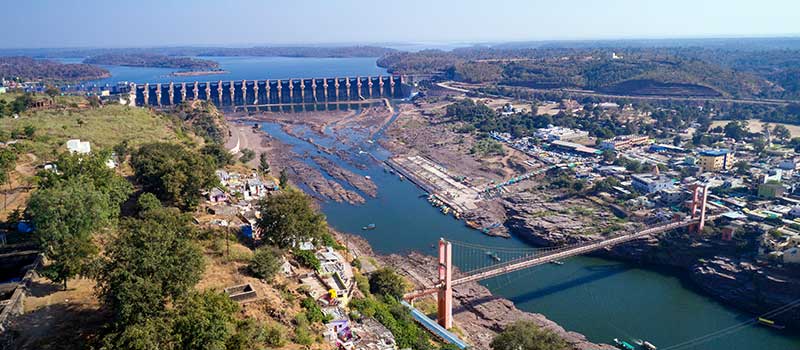
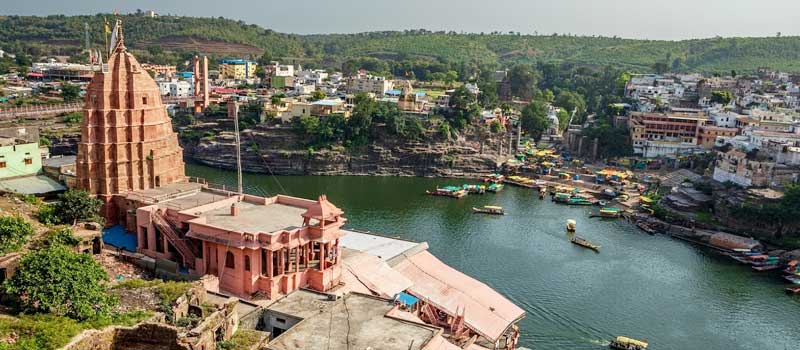
The temple is located on the shores of the Narmada River, which is regarded as one of the most sacred rivers in India. During Shivaratri and other major festivals, pilgrims come in large numbers to offer prayers and blessings. Above all, the temple is not only the object of worship but a source of peace and meditation as well.
Devotees feel that Lord Shiva is here in the form of his eternity. Hence, individuals arrive there in search of health, prosperity, and salvation. The singing of mantras, the ringing of temple bells, and the spiritual ambience make a divine experience.
Planning an Omkareshwar Temple Trip for many is not just a religious obligation but also a spiritual journey. The exclusive nature of the temple location, with water and hills, adds to the spiritual atmosphere. Overall, Omkareshwar is among the most popular pilgrimage sites in India, evoking piety and inner peace.
Omkareshwar Temple History
Omkareshwar Temple has a history based on mythology and ancient culture. It is said that in the past, Devas used to pray to Lord Shiva to slay the demon Danavas. Shiva was delighted with their devotion and appeared in the form of Omkareshwar, and the island became his home. In other words, the temple represents the persistence of Lord Shiva.
The temple has been known in several scriptures, such as the Skanda Purana. Inscriptions indicate that the temple dates back to ancient times, but the current structure bears medieval influences on architecture. The island itself has long been a focal point of religious worship, attracting saints and sages as well as believers.
Omkareshwar emerged into prominence as a pilgrimage site in the 11th century under the Parmar rule. Thereafter, a number of dynasties helped in its maintenance and growth. It has withstood invasions, natural disasters, and political transformations; however, it has preserved its religious magnetism over the years.
In addition, Omkareshwar has always been linked to Advaita philosophy. Adi Shankaracharya is said to have travelled to the island to receive spiritual guidance from his guru, Govind Bhagavatpada. As a result, this temple is not just a Jyotilinga, but also a symbol of India's profound philosophical grounds and religious strength.
Attractions:
Omkareshwar Temple complex provides numerous religious attractions that provide numerous visits.
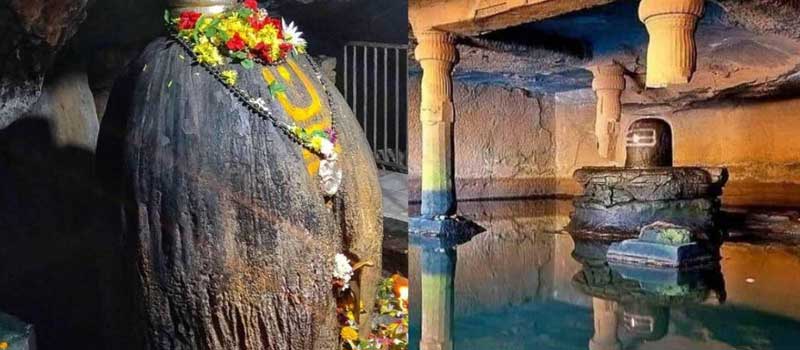
- Jyotirlinga Sanctum: The larger shrine, which has the sacred self-manifested lingam.
- Mamleshwar Temple: The other holy temple on the opposite side of the river is regarded as inseparable from Omkareshwar.
- Omkareshwar Ghat: A holy bathing ghat where people make prayers before darshan.
- Siddhnath Temple: This temple has beautiful architecture and has elaborate carvings on the stones.
- Govindeshwar Cave: This cave is considered to be related to Adi Shankaracharya, who meditated in it.
- Gauri Somnath Temple: One of the temples with a huge idol of Shiva lingam.
- Kedareshwar Temple: It is also another significant temple of Lord Shiva on the island.
- Temple Murals and Sculptures: Ancient sculptures that tell stories of Hindu mythology.