Parasnath Hills Travel Guide

  • Best time to visit:
    October to March
  • Ideal Duration:
    2-3 days
  • Visa:
    Not Required
5.0 - Excellent in TripAdvisor
Recommended by 99% of travelers
parasnath temple
parasnath temple
Parasnath Hills
Parasnath Hills Temple
Parshvanatha Hilltop Shrine

Parasnath Hills, Jharkhand

  • Temperature :
    Summer: April – June: 28°C – 40°C
    Monsoon: July – September: 22°C – 30°C
    Winter: October – March: 9°C – 25°C
  • Top Tourist Places:
    Shikharji Temple Complex, Parshvanatha Hilltop Shrine, Gautam Swami Temple, Chandraprabhu Temple, Tonko Hill Temples, Madhuban, Scenic Trekking Paths

Overview of Parasnath Hills

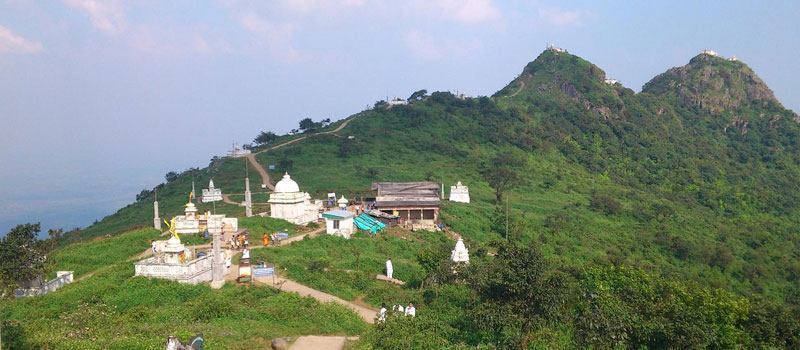
One of the most sacred religious sites in India is Parasnath Hills, which is situated in Giridih district of Jharkhand. It is also the tallest point in Jharkhand, and it is approximately 1,365 meters above sea level. Most importantly, it is essential to the Jain followers since they believe that 20 of the 24 Tirthankaras found salvation here. In other words, it is a holy place where religion and spirituality meet.

It is known that the hills are referred to as Sammed Shikharji, or the peak of attainment. Lakhs of Jain pilgrims come to visit every year to complete the holy parikrama (circumambulation) of the hill on foot (approximately 27 kilometers) with bare feet. It is regarded as one of the most significant religious trips of Jains. As a result, Parasnath Hills has emerged as an essential place of worship not only for Jains but also for individuals who are in search of peace and spiritual development.

Moreover, its surrounding forests, plants, and scenic landscapes make it a tranquil retreat for nature enthusiasts. The ambiance is spiritual and mixed with the beauty of nature, giving it an exceptional experience. Most importantly, the planners of a Parasnath Hills Trip will experience both divinity and peace in abundance. Not only a pilgrimage, but it is also an opportunity to encounter nature and inner peace.

Parasnath Hills History

Parasnath Hills have a rich history that is closely connected to the Jain tradition and legends. Jain scriptures state that 20 of 24 Tirthankaras, among them the 23rd Tirthankara, Parshvanatha, received moksha (liberation) on these holy hills. Thus, it is a very significant pilgrimage place in Jainism, second only to Palitana in Gujarat.

But it is also referred to as Sammed Shikharji, which translates to the Hilly of Ultimate Attainment. It has long been a site of worship, and temples and shrines are built over the locations where the Tirthankaras are thought to have achieved nirvana. Besides, the hills are mentioned in several Jain texts and described as one of the most sacred Jain tirthas (pilgrimage places).

In the past, kings and worshippers have helped in the construction of temples in this area. The evidence of religious patronage through the years is seen in marble shrines, stone carvings, and inscriptions across the hills. The temples feature the symbolic architecture of the ancient buildings.

Conversely, the location is essential not only to Jainism but also to people living in and visiting the area, who appreciate its natural beauty and serene nature. Finally, Parasnath Hills is a site of historical richness coupled with a place of faith and devotion that has remained relevant in drawing pilgrims and history lovers to date.
Attractions:

Parasnath Hills has various attractions, which are both spiritual and natural:

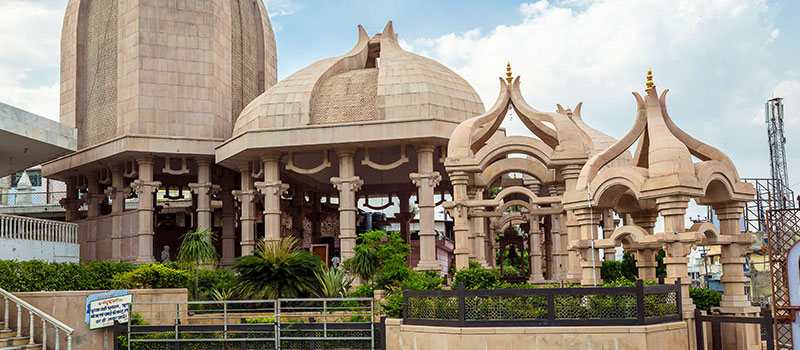
  • Shikharji Temple Complex: This is a significant pilgrimage place with many Jain temples.
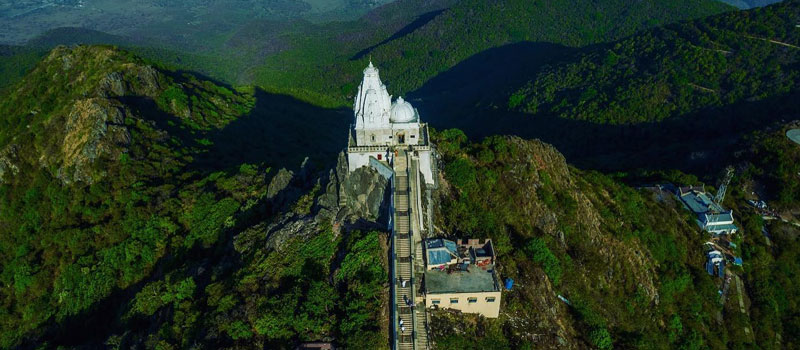
  • Parshvanatha Hilltop Shrine- The shrine of the 23rd Tirthankara, Parshvanatha.
  • Gautam Swami Temple- Temple of the disciple of Lord Mahavira.
  • Chandraprabhu Temple- A temple of the 8th Tirthankara.
  • Tonko Hill Temples: There are beautiful shrines with a panoramic view.
  • Madhuban - A village-based provider of pilgrim facilities.
  • Scenic Trekking Paths- A 27 km long parikrama path available to the devotees and the trekkers.
  • Natural Forests - With abundant biodiversity, contributing to the spiritual landscape.

Getting There

Parasnath Hills is also accessible to pilgrims and tourists, as major cities serve it well.

By Train Parasnath Hills

By Train

The closest railway station is Parasnath Railway Station on the Grand Chord line. It is linked to large cities such as Kolkata, Patna, Delhi, and Ranchi. Taxis and buses can be taken to the Madhuban base at the station.

By Air Parasnath Hills

By Air

The closest railway station is Parasnath Railway Station on the Grand Chord line. It is linked to large cities such as Kolkata, Patna, Delhi, and Ranchi. Taxis and buses can be taken to the Madhuban base at the station.

By Road Parasnath Hills

By Road

Parasnath Hills can be reached via road via National Highway 2 (Delhi-Kolkata road). Frequent buses and personal taxis operate between Giridih, Dhanbad, and Ranchi. Furthermore, the scenery during the road trips is nice, and the journey is enjoyable.

Best Time to Visit

Visitors can visit Parasnath Hills throughout the year, but the experience depends on the season.

Summer Season in Parasnath Hills

Summer (March to June):

Summers are hot and vary between 25 and 38 °C. But mornings and evenings are pleasant. Devotees continue to make the pilgrimage during this period, but light cotton and hydration are encouraged.

Monsoon Season in Parasnath Hills

Monsoon ( July to September):

The hills are lush and green because of the heavy rainfall brought by the Monsoon. Scenic beauty is also better, but the walking paths may be slippery. As such, this season is not as busy, but nature lovers will find it attractive.

Winter Season in Parasnath Hills

Winter (October to February):

The best time to visit is during winter, when the weather is nice between 10 °C and 20 °C. The pilgrimage activities are in full swing, and with the cool climate, the trekking is not difficult. Besides, the hills are enlivened by the festivals held in this season.

RECOGNIZED AND ACCREDITATION

ministry of tourism
TAAI - Certificates
IATA - Certificates
patners