Overview
Allahabad (now Prayagraj) is a very sacred city in India. It is found in Uttar Pradesh and is very significant to Hinduism. The well-known Triveni Sangam is one of the city's major attractions as the holy rivers of Ganga and Yamuna and the mythical Saraswati join each other there. It is believed that this confluence purifies sins and offers moksha. Hence, millions of people visit here during the Kumbh Mela, which is the largest spiritual congregation in the world.
Most importantly, Prayagraj is mentioned in ancient scriptures like the Vedas and Puranas. It is regarded as the "Tirthraj" or "King of Pilgrimage Sites."
Centuries-old saints and sages have meditated here. It is not a city alone, but a religious place where religion flows just like rivers.
In addition, visitors can observe eternal traditions, spectacular religious rituals, and serene ghats. Similarly, the temples, ashrams, and places of worship provide a divine experience.
Simply put, Prayagraj is the land of devotion, timeless knowledge, and enlightenment. When you make a Prayagraj Trip, you will feel great to add Prayagraj to your itinerary as a part of your spiritual journey through the heartland of spiritual India.
Quick Information About Prayagraj
|
State
|
Uttar Pradesh
|
|
Coordinates
|
25.4683° N, 81.8546° E
|
|
Geographical Area
|
5482 Sq. Km
|
|
Popular Tourist Attractions in Prayagraj |
- Triveni Sangam
- Allahabad Fort
- Anand Bhavan
- Khusro Bagh
- Alopi Devi Mandir
- Chandra Shekhar Azad Park
- All Saints Cathedral
- Allahabad Museum
|
| Popular Festivals |
- Magh Mela
- Kumbh Mela
- Diwali
- Holi
- Ardh Kumbh Mela
- Ganga Dussehra
- Basant Panchami
- Dussehra & Ram Leela
|
| Languages Spoken |
- Hindi
- Urdu
- Awadhi
- English
- Bhojpuri
|
+ Read More
Prayagraj History
Prayagraj has a magnificent ancient history. To begin with, it has a recognized existence in some divine books like the Rigveda and the Mahabharata. It was initially referred to as the city of “Prayag, which means a place of offerings. People believe that the first yajna (sacrifice) was conducted here by Lord Brahma.
This was during the Mauryan period when Emperor Ashoka ruled this region. Even in the 3rd century BCE, the significance of Prayagraj can be found through the inscriptions on its edicts. It was later that the Gupta rulers helped it in its cultural development. During the later reign of Mughal rule, Akbar renamed it “Ilahabas” or the City of God, which the British later anglicised into Allahabad.
Nevertheless, in 2018, this name was changed officially to Prayagraj as it was necessary to renew its historical and religious identity. By doing this, the city underscored its exotic spiritual origins.
In addition, Prayagraj has a significant part in the Indian struggle for freedom. Major meetings of leaders such as Jawaharlal Nehru and Mahatma Gandhi took place here. The home of the Nehru family, Anand Bhavan, gained political significance.
Moreover, the city emerged as a great learning center comprising places such as Allahabad University.
In short, it can be said that Prayagraj is not merely a religious destination, but also a spectator of India's spiritual, cultural, and political progress.
Attractions:
Prayagraj is a combination of spiritual, historical, and cultural places. Every place is significant and attractive to the visitor.
- Triveni Sangam
The confluence of the Ganga, the Yamuna, and the Saraswati. When people take a sacred dip here, they supposedly cleanse themselves.
- Kumbh Mela Grounds
This event is held once every 12 years and attracts millions of people. Pilgrims, saints, and tourists flock around amid magnificent rituals.
- Allahabad Fort
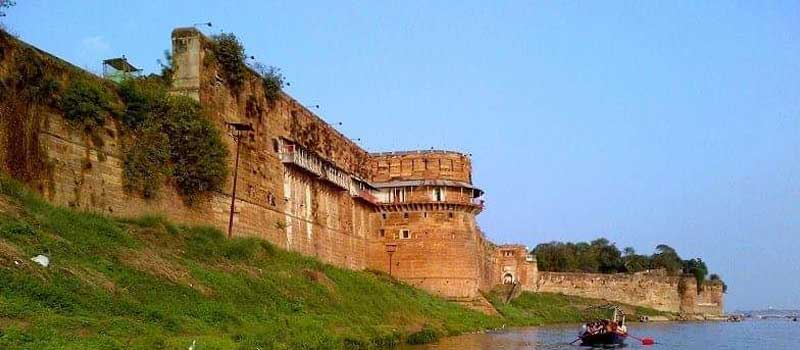
Emperor Akbar constructed it in the 16th century, providing perfect scenery for the Sangam. Inside it is the Ashoka Pillar, which is more than 2,300 years old.
- Anand Bhavan
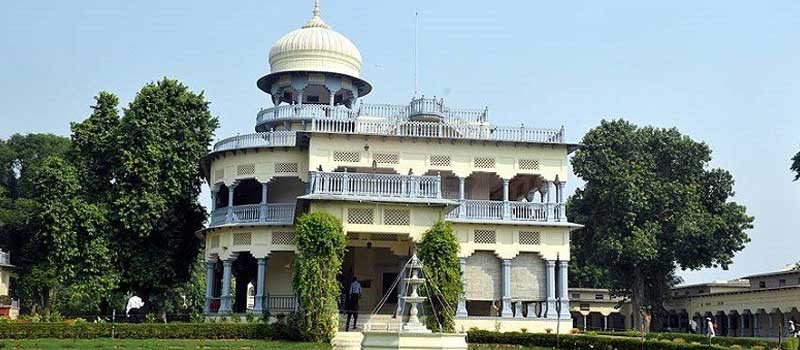
The residence of the Nehru family in the past. It is now a museum that exhibits old papers and personal items.
- Khusro Bagh
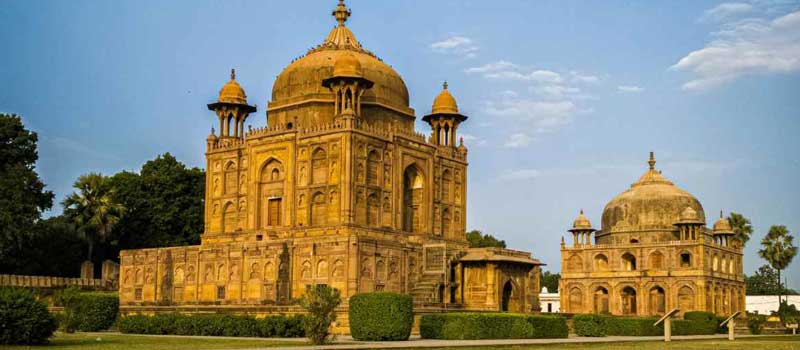
A lovely Mughal garden and tombs of Prince Khusro and other royals. An idyllic holiday spot for history buffs.
- Alopi Devi Temple
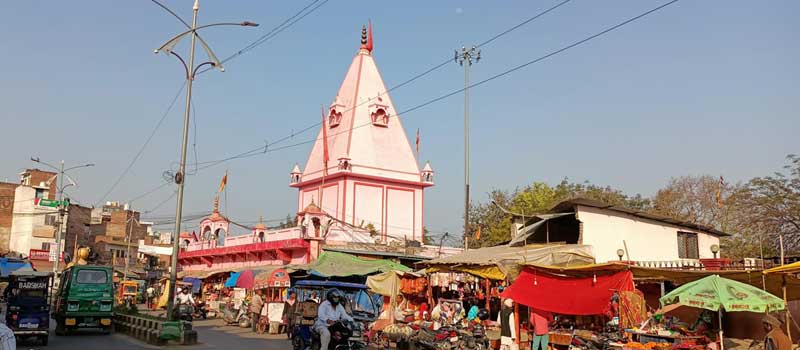
One such temple where there is no idol. It is a holy place worshipped as a Shakti Peeth, and thus it is of great faith value.
- Hanuman Temple
It is renowned because of its recumbent idol of Hanuman. The temple also gets submerged during floods, and this is considered divine.