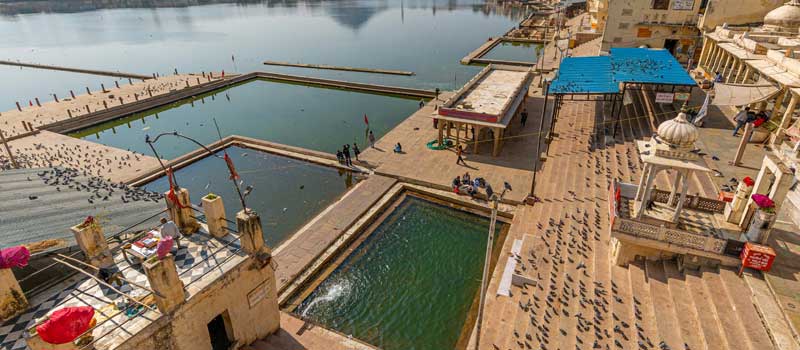
Overview of Pushkar
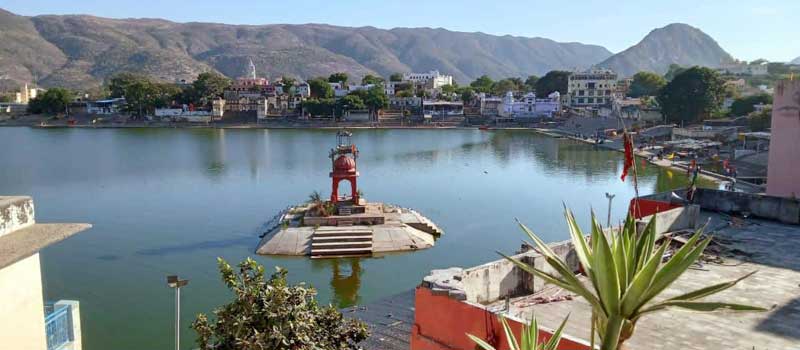
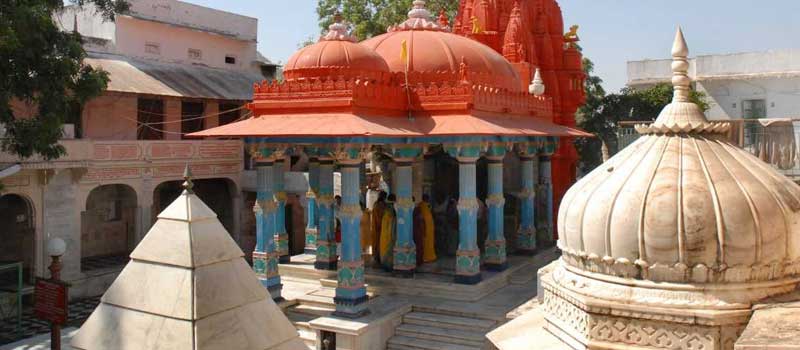
Pushkar is a peaceful town in Rajasthan, but it is also one of India's most sacred pilgrimage towns. It is located around the Pushkar Lake, and its religious importance to the Hindus can not be ignored. Most importantly, the place has the famous temple of Lord Brahma, the creator of the Universe. Consequently, thousands of religious people and tourists tour the area yearly to get blessings and blend in spiritual power.
It is said that the Pushkar Lake came into being when Brahma dropped a lotus flower. The most significant importance is that taking a divine bath in this lake is said to wash away ailments and provide peacefulness. Pilgrims are not the only people who adore this place. Vibrant ghats, colorful markets, and spirituality are the attractions of travelers across the globe.
Similarly, there is also the well-known camel fair at Pushkar, which blends culture and tradition with celebration. In other words, it is an area where divinity and celebration live together. A Pushkar Trip will not be just another sightseeing tour to many, but one where faith, culture, and peace can be experienced together. Thus, Pushkar remains one of the most popular spiritual and cultural places in India.
Pushkar History
The history of Pushkar is deeply rooted in mythology, faith, and tradition. Firstly, according to legend, Lord Brahma held a great yajna here, hence the town's divine name. Consequently, Pushkar is one of the few places worldwide with a temple dedicated to Brahma.
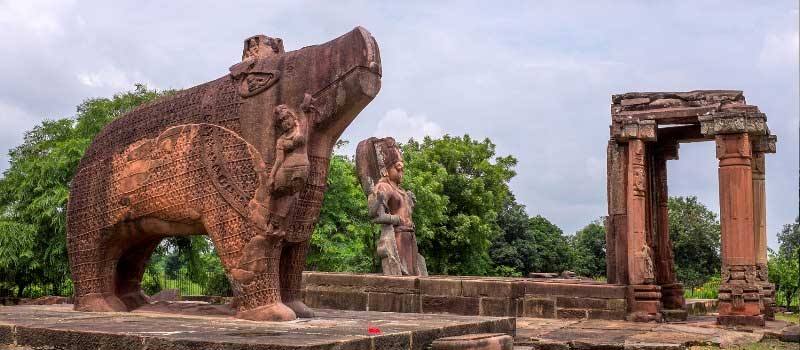
According to archaeology, Pushkar has been a vital settlement since time immemorial. Besides, the lake and its associated ghats are inscribed in the 4th century, which is indicative of its historic presence. Pushkar remained a seat of devotion and culture under the Rajputs and the Mughal rule.
Further, the Mughal Emperor Akbar is also reported to have visited Pushkar and contributed to developing its temples and ghats. Under the British, Pushkar was declared a centre of religious attraction and consequently became prominent among international travellers.
In addition, Pushkar is referred to in various religious texts, such as the Mahabharata and Ramayana, making it a spiritual destination. In other words, its history has not only been the history of kings and emperors but also of saints and sages and pilgrims who have kept its traditions alive. To sum up, Pushkar has a rich history with many myths, spirituality, and heritage.