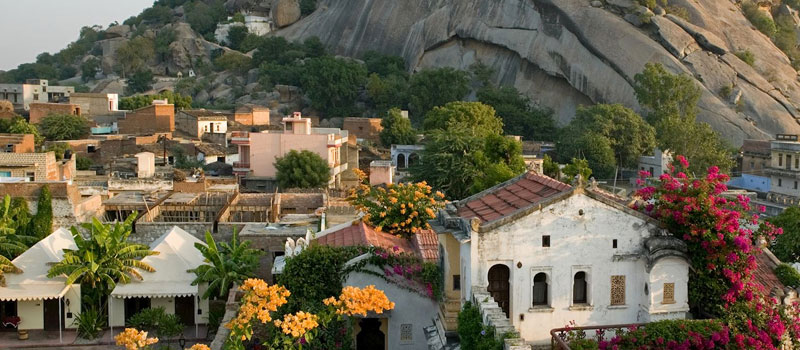
Overview of Ranakpur
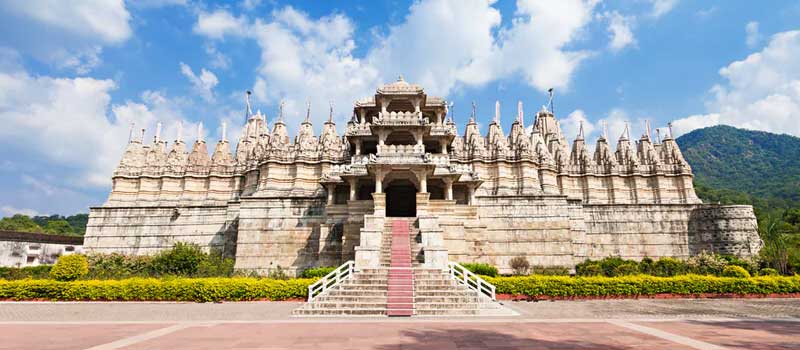
One of the most sacred sites of Jainism is Ranakpur, which is situated in Rajasthan. Most of all, it is known because of the marvelous Ranakpur Jain Temple devoted to Tirthankara Adinatha. Visitors of all kinds come to this quiet village to have peace and enjoy the architectural genius of the temple. Above all, the temple is believed to be a spiritual center where worshipers become relaxed.
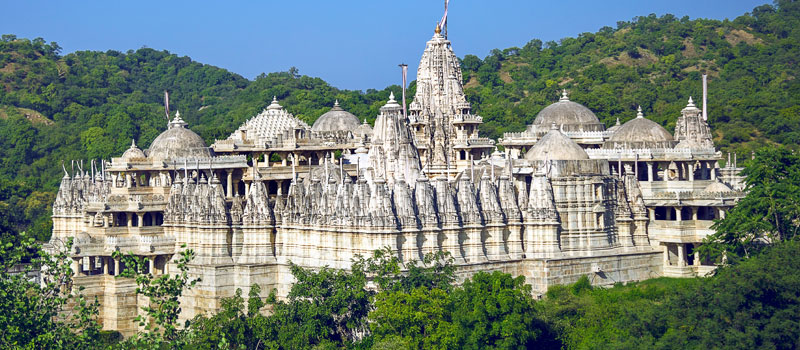
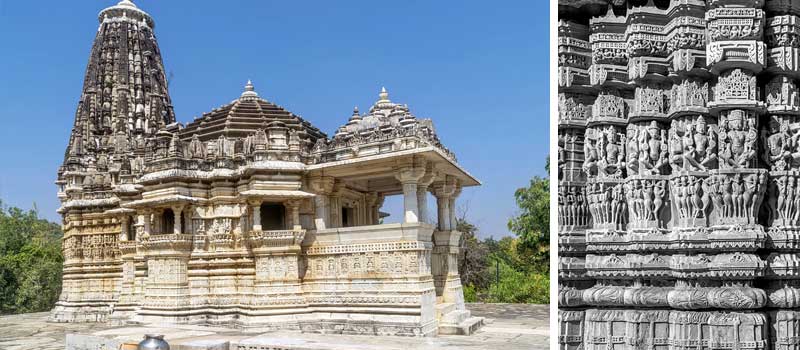
The temple complex is a symbol of worship, art, and culture. That is, it shows the religion and discipline of the Jain followers. For example, 1,444 marble pillars in the temple have been carved into different designs that attract visitors around the globe. So, it is not only a worshiping site, but also a masterpiece of Indian architecture.
Besides, Ranakpur is enclosed by the Aravalli hills, which give harmony to its spiritual beauty. Similarly, the silent nature of the place makes it an ideal place to meditate and pray. Furthermore, many tourists use Ranakpur Trip and other cities such as Udaipur and Jodhpur to enhance their cultural tour.
Indeed, the Ranakpur trip combines religion, history, and heritage. In brief, it is a place that combines spirituality with eternal art.
Ranakpur History
Ranakpur is closely connected with the Jain people. To begin with, Ranakpur Jain Temple was constructed in the 15th century under King Rana Kumbha, who reigned in Mewar. A Jain businessman known as Dharna Shah laid the temple's foundation after he had a divine vision of constructing a grand shrine. Secondly, Rana Kumbha gave this holy project a very generous gift of land.
The temple was built over a few decades, and skilled artisans and architects were involved in the construction of the temple. To illustrate, the chief architect, Depa, was able to create the temple in the Chaumukha style, meaning four-faced. This style is a symbol that represents the presence of the Tirthankara in every direction. In addition, the temple is devoted to the first Jain Tirthankara Adinatha.
Moreover, the temple has weathered centuries of political instability and invasions, but it was still an icon of strength and worship. Meanwhile, a Jain culture and philosophy were also developed in the temple. Similarly, it remains one of the most valuable monuments of India.
This means not only is Ranakpur a place of worship, but it also embodies Jain beliefs such as non-violence, peace, and truth. Finally, its history is a reminder of faith, vision, and architectural brilliance.
Attractions:
Ranakpur houses various sites that are of intrigue to pilgrims as well as tourists. Here are some highlights:
- Ranakpur Jain Temple: It is known to have 1,444 carved marble pillars.
- Chaumukha Temple: It is a four-faced temple of Adinatha.
- Sun Temple: A smaller Temple of the Sun God.
- Narlai Village: It is a village of heritage havelis and local customs.
- Sadri town: This is another Jain pilgrimage centre close to Ranakpur.
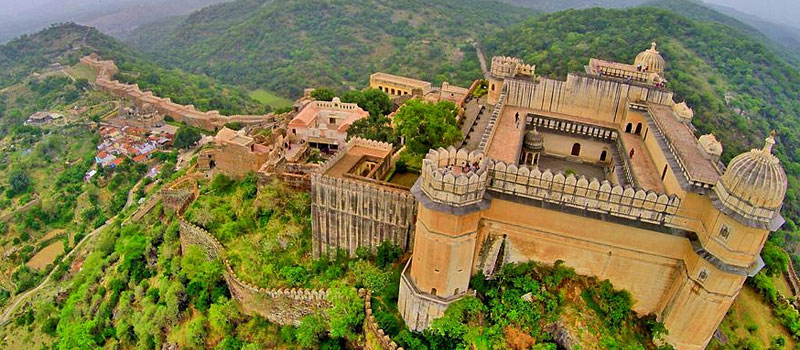
- Kumbhalgarh Fort: a nearby UNESCO site.
- Aravalli Hills: Beautiful scenery where people can have nature walks.
- Ranakpur Dam: It is a serene location with greenery.