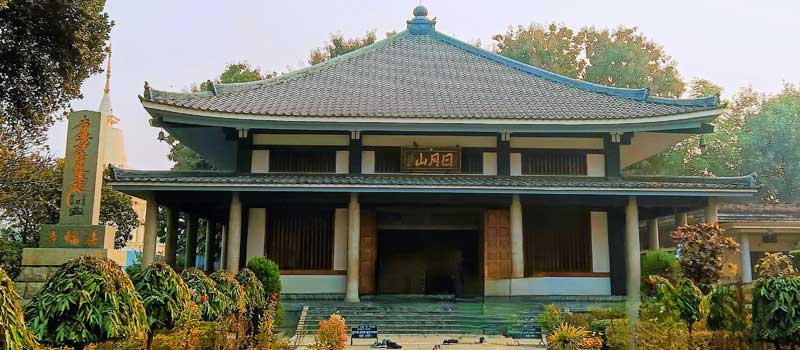
Overview
Sarnath is a very sacred spiritual place in India. It is close to Varanasi and has great religious significance to Buddhists worldwide. Lord Buddha preached his first sermon when he gained enlightenment in Bodh Gaya. Hence, it is regarded as the cradle of the teachings of Buddhism. Pilgrims and tourists go there to have peace and devotion and to perceive the Eightfold Path of Buddha.
Above all, Sarnath has an international appeal regarding the spiritual atmosphere. The monks sing in harmony, and the place is impacted by tranquility. More precisely, it provides a soul-nourishing relief from the world of hurry. The same land where the Wheel of Dharma has been set in motion can also be meditated on by the visitors.
In addition, there is a lot of sacred aura among ancient Buddhist monuments, stupas, and monasteries. People are tempted to engage and visit the spiritual energy of the place all around the world. Here, there is also religious value to followers of Jainism and Hinduism.
To sum up, the Sarnath Trip is not only tourism or sightseeing, it is the way to peace and wisdom. Sarnath helps us remember inner peace and self-discovery with ancient relics, prayer flags in the air, and tranquility.
Quick Information About Sarnath
|
State
|
Uttar Pradesh
|
|
Coordinates
|
25.3810° N, 83.0228° E
|
|
Geographical Area
|
8 km.
|
|
Popular Tourist Attractions in Sarnath
|
- Dhamek Stupa
- Chaukhandi Stupa
- Mulagandha Kuti Vihar
- Sarnath Archaeological Museum
- Ashoka Pillar, Thai, Tibetan and Japanese Temple and Monastery
- Deer Park
- Bodhi Tree Replica
|
| Popular Festivals |
- Buddha Purnima
- Kathina Ceremony
- Dhamma Day
- Diwali & Holi
|
| Languages Spoken |
- Hindi
- Bhojpuri
- Tibetan
- English
|
+ Read More
Sarnath History
Sarnath boasts of a rich and fantastic history. To begin with, it is a well-known place where Gautama Buddha delivered his first sermon to five of his followers, and the origins of the Buddhist Sangha can be traced back to this event. This historical event is referred to as the Dharmachakra Pravartana or the turning of the wheel of law.
The place named Saranganath, which means Lord of the Deer, is hence the city named after this. This is related to the Deer Park that Buddha preached in. The ancient legends say that the Buddha settled in this place due to the calm and caring atmosphere.
Sarnath was a center of learning in Buddhism during the reign of Emperor Ashoka in the 3rd century BCE. He constructed some stupas and monasteries here. The well-known lion capital of Ashoka, India's national emblem, was initially established here.
Nevertheless, Sarnath was destroyed over the centuries. Some invaders destroyed most of the buildings in the 12th century. Then the city fell out of the spotlight and was covered with centuries of destruction.
Sarnath was rediscovered in the nineteenth century by the British archaeologist Alexander Cunningham. The spiritual significance was aroused by the excavations that showed ancient relics. Today, the site has become a breathtaking location of India's spiritual and historical heritage, which is kept in a perfect condition and revealed to people worldwide.
Attractions:
Several attractions in Sarnath fascinate history lovers and spiritual seekers. Every monument has a story, which can give more understanding and insight.
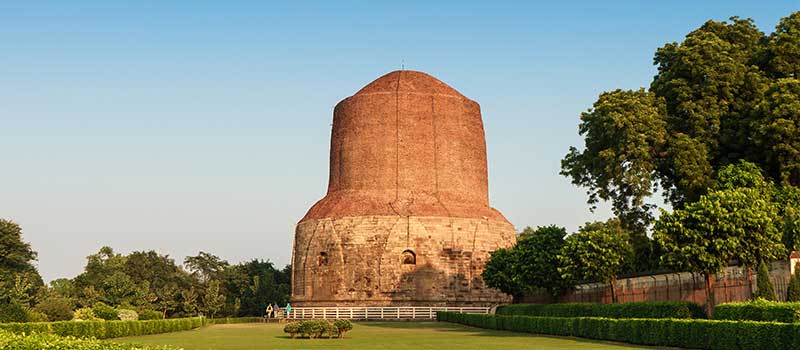
- Dhamek Stupa
This huge stone marks the first sermon of Buddha. It is carved and 43.6 meters high in height.
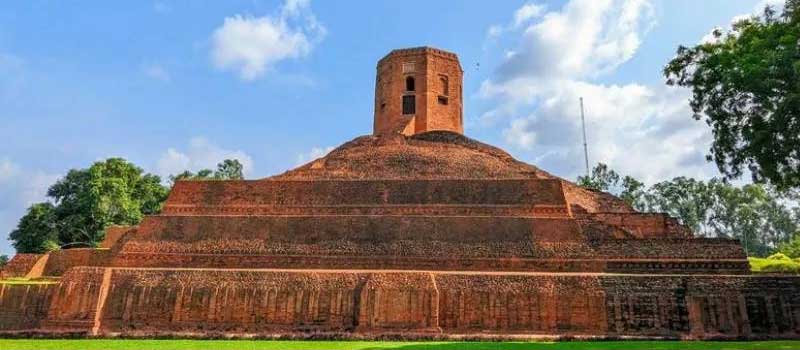
- Chaukhandi Stupa
This stupa was created to commemorate the location where Buddha met with his followers, and this could be evidenced by the octagonal shape added to the stupa by the Mughals.
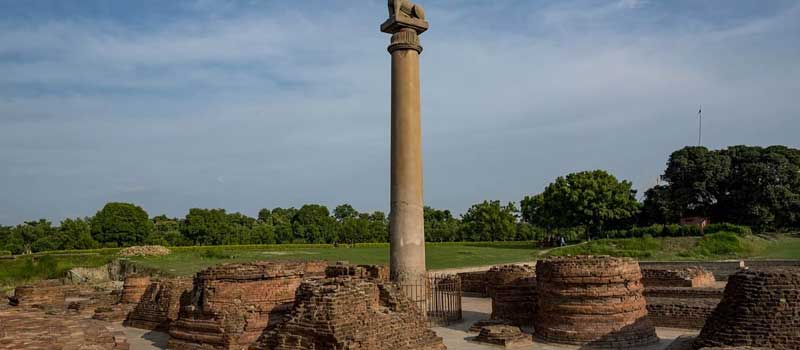
- Ashoka Pillar
This was a 15-meter-tall Polish sandstone pillar that originally housed the lion capital, currently the national emblem of India.
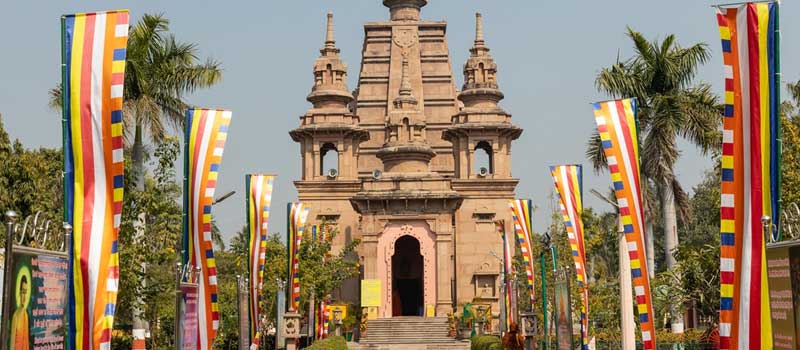
- Mulagandha Kuti Vihar
Japanese painter Kosetsu Nosu painted this contemporary Buddhist temple with frescoes. It is a peaceful meditation spot.
- Sarnath Archaeological Museum
This museum is the home of the national emblem of India and other significant relics, where ancient sculptures and inscriptions are displayed.
- Deer Park
A tranquil green area where Buddha came up with his first teachings. Today, deer continue to roam free, representing kindness.
- Thai Temple and Garden
The Thai Buddhists constructed this site; it presents the architecture of the Thais and provides a highly landscaped garden.