Shirdi Travel Guide

  • Best time to visit:
    October to February
  • Ideal Duration:
    2-3 days
  • Visa:
    Not Required
5.0 - Excellent in TripAdvisor
Recommended by 99% of travelers
Shirdi Temple
Shirdi Temple
gabbar hill ambaji
Gabbar Hill Ambaji
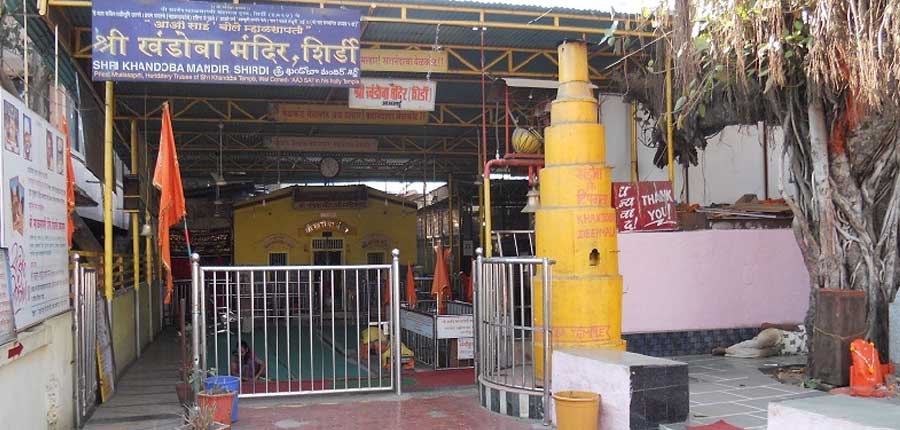
khandoba Temple shirdi
Khandoba Temple Shirdi

Shirdi Temple, Maharashtra

  • Temperature :
    Summer: April to June: 30°C to 42°C
    Monsoon: June to September: 20°C to 30°C
    Winter: October to March: 15°C to 30°C
  • Top Tourist Places:
    Sai Baba Samadhi Mandir, Dwarkamai Mosque, Chavadi, Khandoba Temple, Lendi Baug, Sai Heritage Village

Overview of Shirdi

Shirdi is a spiritual place in India and is situated in Maharashtra. Most importantly, it is the devotional dwelling of Shri Sai Baba, a holy saint who is considered to have lived here during the late 19th and early 20th centuries. Individuals all around the world come to Shirdi to get blessings, peace, and spiritual healing.

Above all, Shirdi is not only a town but an icon of belief and worship. The teachings of Sai Baba of love, equality, and humility still inspire millions. For example, a pilgrim is confident that visiting Shirdi can resolve issues, eliminate suffering, and bring peace.

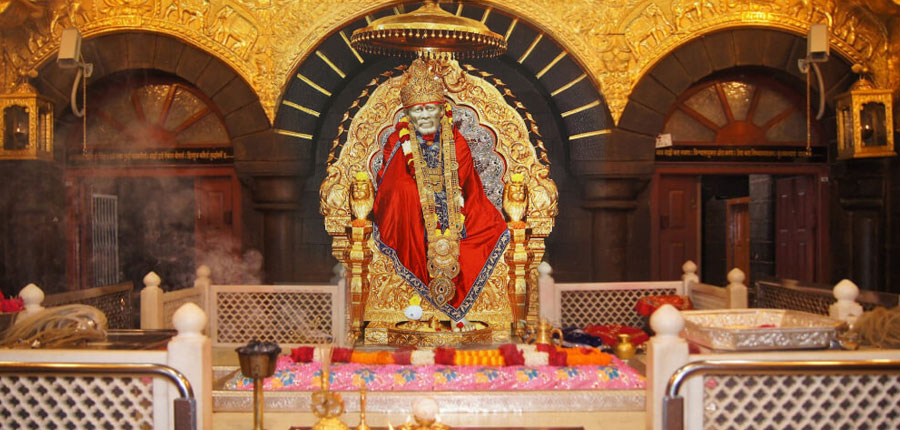
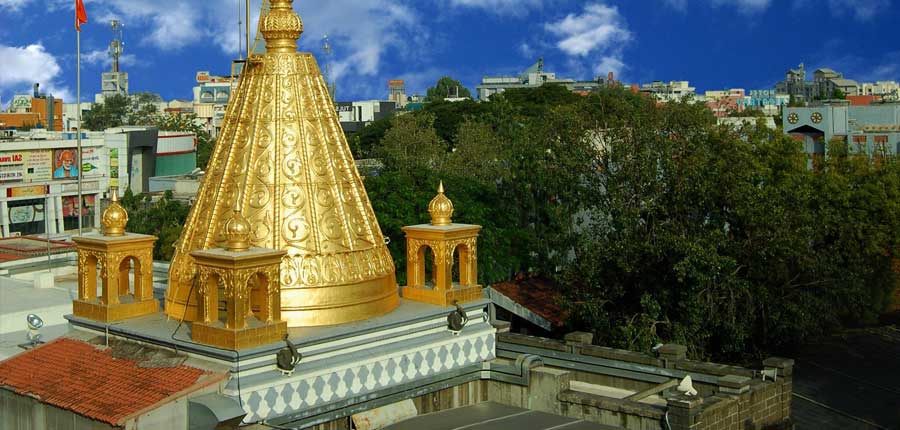
Moreover, there is a Shirdi Sai Baba Temple, which is the central place of interest because it is the Samadhi (final resting place) of Baba Sai. Thousands of devotees line up daily to have darshan, bring flowers, and pray. At the same time, the tranquility of Shirdi makes the devotees identify with their inner selves.

To illustrate, festivals such as Guru Purnima, Ram Navami, and Vijayadashami are significant events for many people. Shirdi is not only a pilgrimage but a spiritual and emotional experience. So, a Shirdi trip can be regarded as a pilgrimage of faith in that believers can feel the divine influence of Sai Baba.

Shirdi History

Shirdi's history is centred on the life of Shri Sai Baba, who came to the village in the year 1858. At the beginning, no one knew that he was a god. But with time, Baba and his teachings and miracles drew devotees near and far.

Sai Baba spent his life in a modest mosque, which came to be named Dwarkamai. That is, Dwarkamai was made the centre of his life and teaching. Baba taught the integration of religions and preached SAB KA Malik Ek (God is one to all). As a result, the Hindus and Muslims equally admired him.

For example, Sai Baba lit the sacred Dhuni (holy fire) in Dwarkamai, which is still burning today. The ashes of this fire, called Udi, are given to devotees as a blessing. In addition, Sai Baba performed several miracles, such as healing the ill, pacifying the storms, and directing lost souls.

Baba died in 1918, and his samadhi was constructed in the temple complex, where thousands of followers now pray. Moreover, the Shirdi Sai Baba Sansthan was responsible for the temple and carrying on with his charity activities.

To sum up, the history of Shirdi is closely related to the life of Sai Baba and his teachings. His speech of kindness, devotion, and service is still something that continues to empower millions of people in the world.
Attractions:

Beyond the principal shrine, Shirdi has other tourist attractions:

  • Sai Baba Samadhi Mandir: The main temple where Sai Baba lies in Samadhi.
  • Dwarkamai Mosque: This is the house that Baba lives in and where he is holy.
  • Chavadi: The place where Baba spent the alternate nights.
  • Khandoba Temple: It is connected with the coming of Sai Baba to Shirdi.
  • Lendi Baug: A garden in which Baba used to meditate and light lamps.
  • Sai Heritage Village: A theme park illustrating the life and tales of Baba.
  • Wet N Joy Water Park: Family Leisure Park at Shirdi.
  • Shani Shingnapur: A local temple town, devoted to Lord Shani.

Getting There

By Train Shirdi

By Train

Shirdi is served by its own railway station, Sainagar Shirdi, and is linked to others such as Mumbai, Delhi, Chennai, and Hyderabad. Moreover, there is easy access by train to the adjacent Manmad Junction.

By Air Shirdi

By Air

The closest airport is the Shirdi Airport, which is only 14 km from the temple town. Shirdi is linked to Mumbai, Delhi, and Hyderabad by air. In addition, Pune and Aurangabad are also close alternatives.

By Road Shirdi

By Road

Shirdi also has close road accessibility to Mumbai (240 km), Pune (190 km), Nashik (90 km), and Aurangabad (120 km). As a result, state transport buses, private coaches, and taxis run on these routes regularly.

Best Time to Visit

Summer Season in Shirdi

Summer (March to June):

Shirdi has hot summers ranging between 35 °C and 40 °C. But morning and evening visits are comfortable. The believers still come regardless of the heat.

Monsoon Season in Shirdi

Monsoon ( July to September):

Shirdi receives moderate rainfall during the monsoon season. As a result, the climate becomes favorable, and there is greenery around the town. For example, this is when people who like cooler weather can enjoy the moment. However, the rains can interrupt travel at times.

Winter Season in Shirdi

Winter (October to February):

Shirdi should be visited during winter. The climate is still favorable, with temperatures between 10 °C and 25 °C. In addition, many festivals such as Ram Navami and Vijayadashami are celebrated around the same season, contributing to the festive mood.

RECOGNIZED AND ACCREDITATION

ministry of tourism
TAAI - Certificates
IATA - Certificates
patners