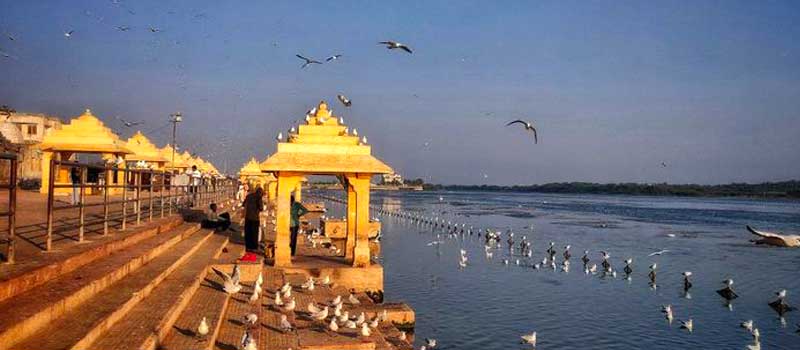
Overview of Somnath Temple
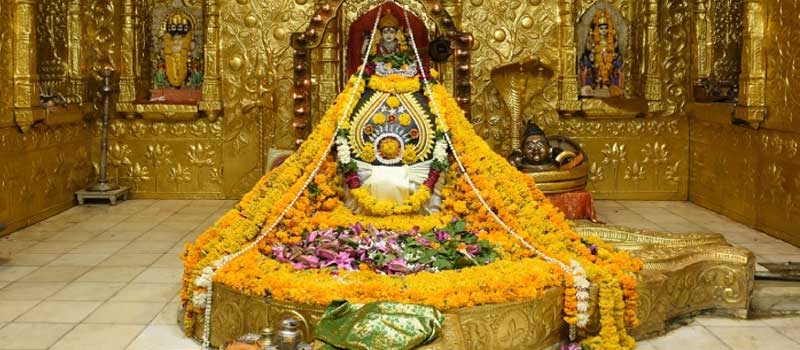
Somnath Temple is among the most sacred places of worship in India. It is on the western coast of Gujarat and is regarded as the first amongst the 12 Jyotlingas of Lord Shiva. That is why it is essential among believers. The individuals think visiting the temple is a way of liberation, peace, and blessings. Most importantly, it is referred to in the spiritual Hindu scriptures, such as the Rigveda and the Skanda Purana, which speak of its everlasting spiritual significance.
In other words, Somnath is not only a place of worship. It is regarded as a kind of spiritual light, and it attracts millions of pilgrims every year. For example, many individuals make long trips to pay tribute to the Jyotirlinga. Besides this, the temple is located in a coastal location, thus producing an aura of divinity with the Arabian Sea as its background.
Above all, the Somnath is considered the Shrine Eternal as it has passed centuries of destruction and reconstruction. It, therefore, symbolizes religion, perseverance, and piety. Stated differently, this temple is an icon of eternal Indian spirituality and power. Tourists visit not only for darshan but also to connect with inner peace. Finally, the Somnath temple trip is also inspiring and a wonderful place to provide breathtaking beauty and cultural enrichment.
Somnath Temple History
Somnath is an amazing place with an unbelievable history of devotion and endurance. It is said that Soma, the God of the Moon, originally constructed the temple of gold. Then Ravana constructed it with silver, and Lord Krishna with wood. Lastly, it was built in stone by King Bhimdev. Both versions were represented as devotion and power.
Nevertheless, the temple was destroyed by the invaders several times. In 1026 AD, Mahmud of Ghazni invaded and plundered for great riches. Later on, the Solanki dynasty had to restructure the temple in 1297, which was again destroyed by the army of Alauddin Khilji. Another demolition took place in 17 17th century during the Mughal era under the order of Aurangzeb. Nevertheless, the temple was never destroyed after these assaults, and such courageous rulers and devotees reconstructed it.
In contemporary times, Sardar Vallabhbhai Patel began the temple reconstruction during India's independence. It was inaugurated in 1951 by Dr. Rajendra Prasad, who declared it a symbol of everlasting faith. Most importantly, its existence is evidence of the invincibility of Indian culture and religion. As a result, Somnath is still motivating millions of people with its strong heritage.
Attractions:
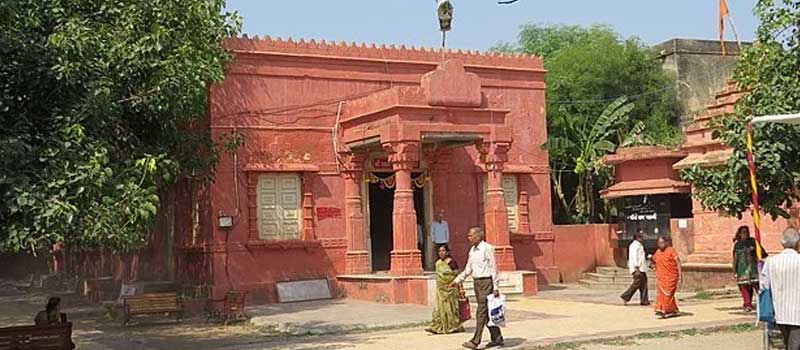
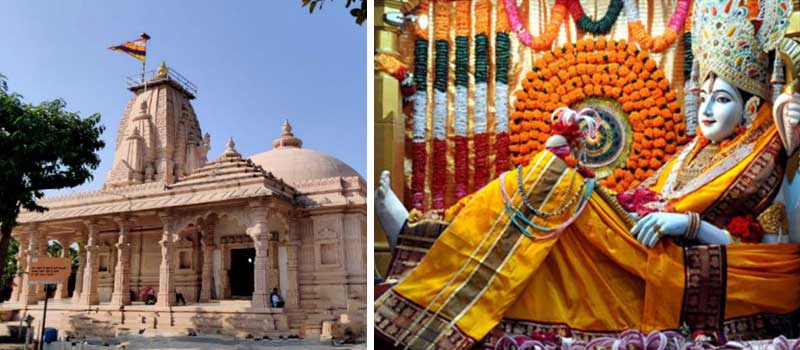
Tourists at Somnath can visit spiritual and cultural sites within and around the temple complex.
- Main Temple: The majestic structure with a 155-foot-high shikhara.
- Sound and Light Show: It is conducted each night and tells the history with amazing visual effects.
- Somnath Beach: A serene seaside spot for relaxation and reflection.
- Triveni Sangam: The confluence of Hiran, Kapila, and Saraswati rivers.
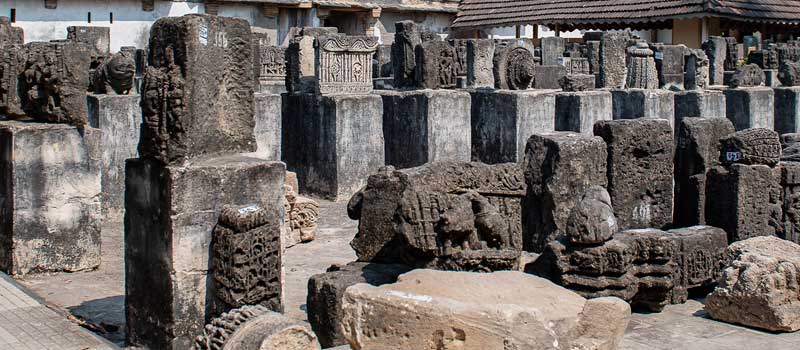
- Prabhas Patan Museum: Keeps ancient artifacts, inscriptions, and temple ruins.
- Bhalka Tirth: This is the place where a hunter unintentionally shot Lord Krishna.
- Gita Mandir: Houses 18 chapters of the Bhagavad Gita written on the walls.
- Junagadh Gate: One of the old gates that was associated with the invasion of Mahmud of Ghazni.