About Tanjore
Tanjore, or Thanjavur as it is commonly called, is among the most religious and culturally rich cities of Tamil Nadu. Most importantly, it is popularly known as the Rice basket of Tamil Nadu and the birthplace of South Indian art, music, and architecture. Tanjore is among the most loved pilgrimage and tourist destinations due to its sacred temples and cultural appreciation.
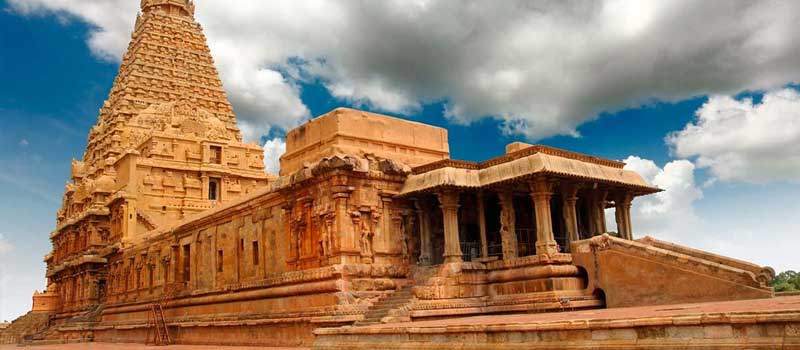
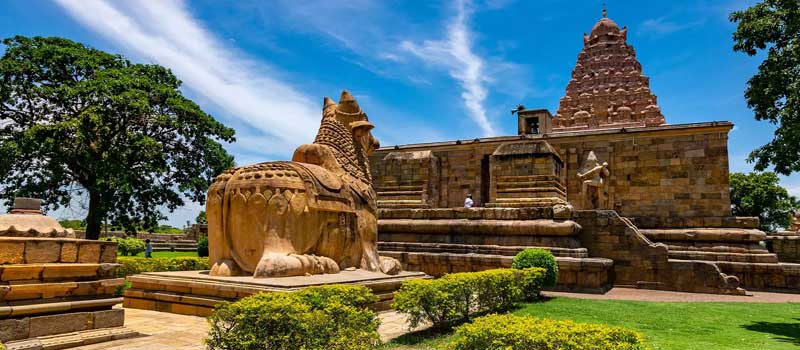
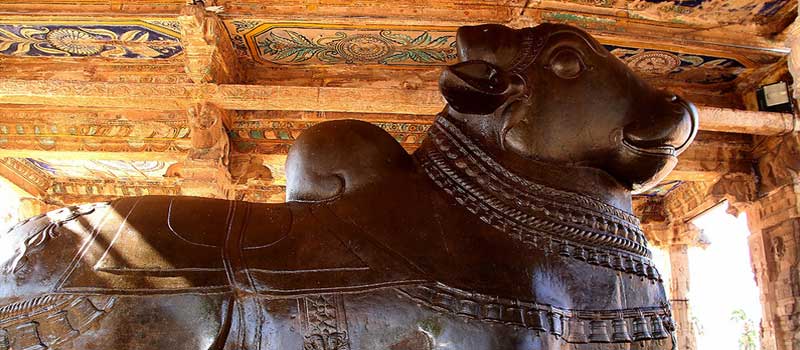
In other words, the city is highly reputable as the Brihadeeswarar Temple is the most famous and a UNESCO World Heritage Site devoted to Lord Shiva.
According to the followers, praying in this place leads to tranquility, material abundance, and spiritual satisfaction. In addition, Tanjore has always been considered a city of gods where history, art, and religion are united.
For example, one can observe the legacy of the Chola dynasty in its temple designs and beautiful sculptures. Similarly, Carnatic music, the classical dance, and the style of painting prevalent in Tanjore have their share of devotees worldwide. The city is therefore not only a destination but a total spiritual and cultural experience.
Concisely, Tanjore Trip is a fulfilling and prosperous combination of spirituality, art, and culture that no visitor ever forgets.
Tanjore History
Tanjore has a fascinating and potent history. To begin with, it acquired fame under the rule of the great Chola dynasty. Tanjore was made the capital of Raja Raja Chola I in the 11th century, and he constructed the globally renowned Brihadeeswarar Temple.
Additionally, Tanjore blossomed into a cultural, literary, and administrative center during the Cholas' rule. Their magnificent temples, inscriptions, and sculptures are still remembered as evidence of their brilliant rule. Additionally, the Cholas broke the boundaries of their empire to extend as well as spread widely across the political centre, making Tanjore a powerful political region.
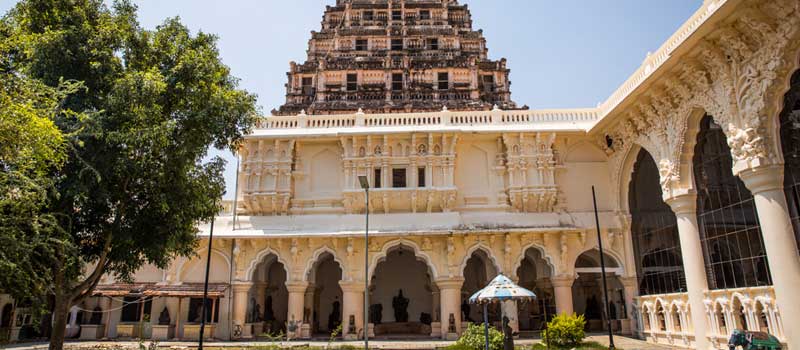
The Pandyas and Nayaks came after the Cholas to extend the region with more temples and forts. Later, Tanjore painting became the city's hallmark because it was a traditional art form still appreciated nowadays. The Marathas governed the region in the 17th century and contributed to the area by contributing to culture and governance.
In the meantime, Tanjore was conquered by the British in the colonial era. That is, it became culturally and historically rich with various rulers. In conclusion, Tanjore reflects a history of divine devotion that spans centuries of architectural brilliance and great artistic beauty.