Overview of Tawang Monastery
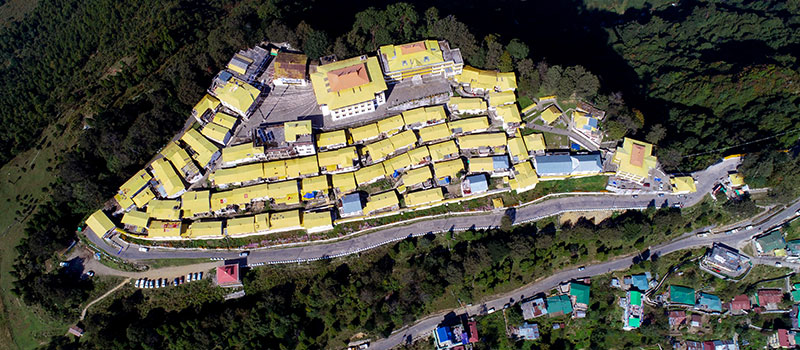
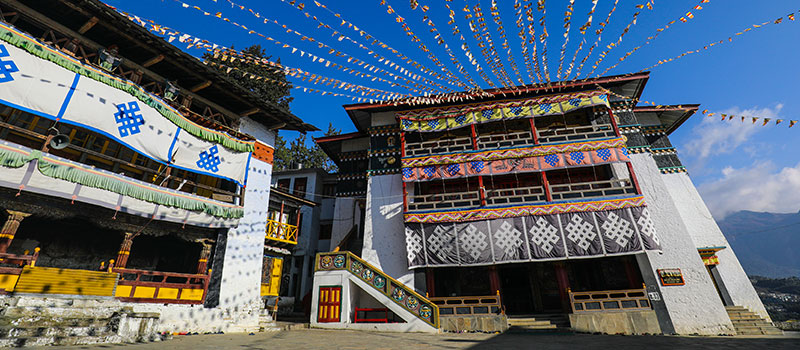
Tawang Monastery, located in Arunachal Pradesh, is among the most renowned Buddhist monasteries in India. Most importantly, it is the largest monastery in India and the second largest in the world. The monastery, which is situated at a height of approximately 10,000 feet, overlooks the Tawang River Valley and provides stunning mountain views with snow-capped mountains.
Above all, Tawang Monastery is an essential hub of Mahayana Buddhism. Believers and monks are assembled here to study the teachings of the Gelugpa sect, which the Dalai Lama guides. Thus, the monastery is an oasis of faith, knowledge, and culture.
Pilgrims are fond of visiting this place because of its religious significance and calm atmosphere. Moreover, there are approximately 450 monks living in the monastery who spend their lives in prayer and spiritual practice. The celebrations, such as Losar or Torgya, are very energetic, and thousands of people attend these festivals annually.
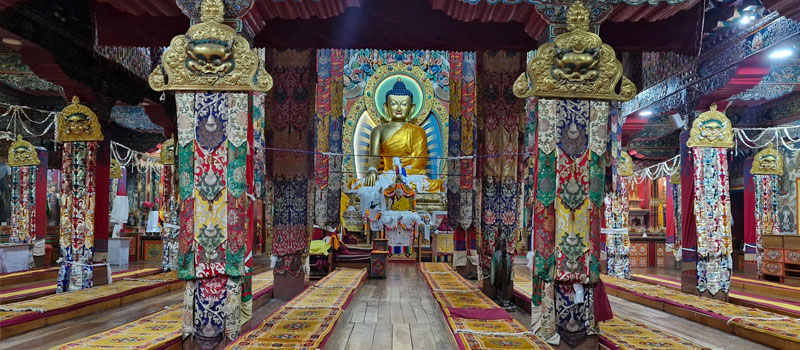
As an example, humans are impressed by the large gilded image of Lord Buddha at the Dukhang, or assembly hall. Similarly, the Thangkas, murals, and the ancient scriptures also depict rich Buddhist traditions. In brief, it is essential to note that Tawang Monastery is not only a worshiping site but also a living heritage of Tibetan culture. To most travelers, the Tawang Monastery Trip is a spiritual awakening journey.
Tawang Monastery History
Tawang Monastery has a rich history of Tibetan Buddhism. To be clear, it was established in the 17th century by Merak Lama Lodre Gyatso in 1680, under the tutelage of the fifth Dalai Lama, Ngawang Lobsang Gyatso. This made it a significant hub of the Gelugpa branch of Mahayana Buddhism.
Tawang literally means Chosen by Horse. It is believed that the site of the monastery was selected by God as the horse of the founder halted at this point. As a result, this place became a holy and symbolic location of the monastery.
It is a three-storied monastery that has tall walls around the complex. Above all, it has been a seat of learning and philosophy of the Buddhist faith over the centuries. Similarly, it was very active in saving the culture of Buddhism in times of political crisis in Tibet.
In the 20th century, Tawang Monastery became even more popular when the 14th Dalai Lama sought refuge in this place in 1959 after escaping Tibet. In addition, the monastery is still closely associated with the spiritual lineage of the Dalai Lama.
Most importantly, the monastery remains vibrant as a spiritual and cultural organization, with centuries-old traditions, large-scale festivals, and monks being educated in Buddhist teachings. To sum up, its history is devotional, legendary, and strong.