Tirupati Travel Guide

  • Best time to visit:
    September to March
  • Ideal Duration:
    1-2 days
  • Visa:
    Not Required
5.0 - Excellent in TripAdvisor
Recommended by 99% of travelers
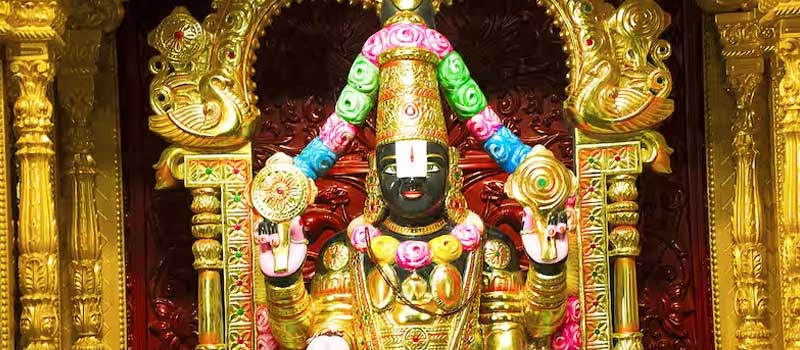
Tirumala Balaji
Tirumala Balaji Temple
Tirumala Venkateswara Temple
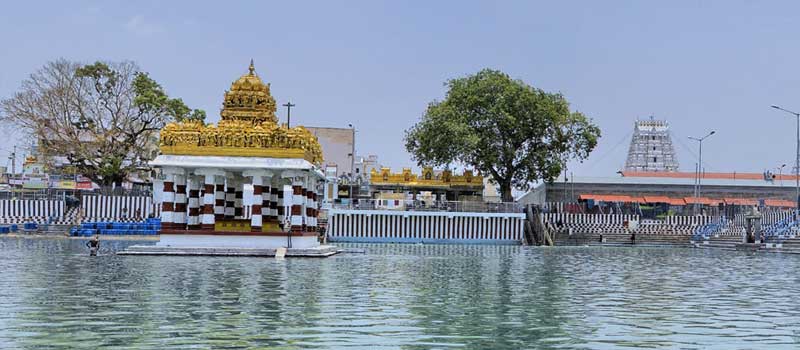
Sri Padmavathi Ammavari Temple
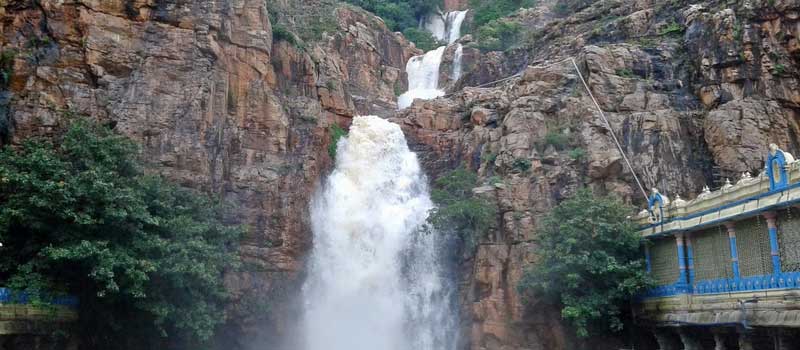
Akasaganga Teertham
Akasaganga Teertham
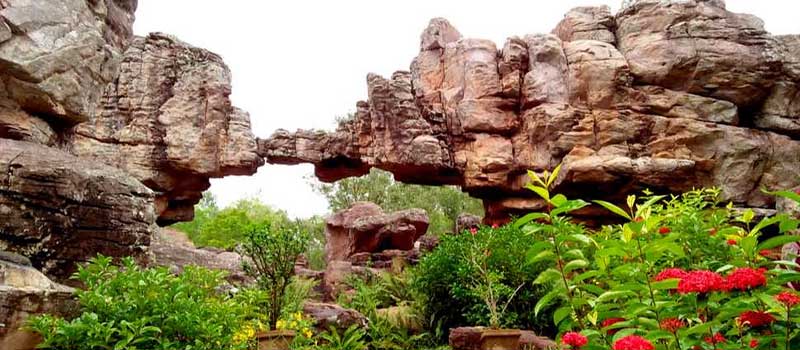
silathoranam
Silathoranam

Tirupati

  • Temperature :
    Summer: March – June: 25°C – 40°C
    Monsoon: July – September: 23°C – 30°C
    Winter: November – February: 15°C – 28°C
  • Top Tourist Places:
    Tirumala Venkateswara Temple, Sri Padmavathi Ammavari Temple, Akasaganga Theertham, Silathoranam, Sri Kapileswara Swamy Temple, Govindaraja Swamy Temple, Chandragiri Fort, Sri Venkateswara Zoological Park

About Tirupati

Tirupati, which is in Andhra Pradesh, is one of India's sacred shrines. The temple town is popularly called the home of Lord Venkateswara, and millions of pilgrims visit this place annually. Most importantly, the Tirumala Venkateswara Temple forms the primary attraction, which lies on the Tirumala hills. Pilgrims believe that visiting such a holy shrine brings spiritual peace and blessings.

In other words, Tirupati is a cultural and religious center and an icon of faith and devotion. Citizens around the globe come to receive the blessings of the Lord, donate contributions, and encounter the divine energy. Furthermore, the temple is famous because of its laddu prasadam, which is regarded as a sacred delight.

The town is also important because it is one of the wealthiest temples in terms of presentations and offerings. Among others, most celebrities, rulers, and ordinary citizens donate massively. To state it briefly, Tirupati is the symbol of spirit in India. A Tirupati Trip is more than just darshan for Lord Venkateswara; it also means a closer touch with the traditions, culture, and devotion.

Tirupati History

Tirupati has a long and fascinating history that is very much based on mythology and heritage. To begin with, the temple of Lord Venkateswara is considered to belong to the ancient period. Lord Vishnu, the ruler in legends, wore the skin of Venkateswara and descended here to rescue humankind in the Kali Yuga.

Moreover, ancient scriptures like the Puranas mention Tirupati. It is also recorded that numerous dynasties, such as the Pallavas, the Cholas, and other Vijayanagara dynasties, also supported and developed the temple. For example, Vijayanagara rulers did more by constructing buildings and contributing fortunes.

The temple has expanded over centuries to become one of the most significant pilgrimage sites globally. The town has added characteristics in the holy hills, Seshachalam. Tirupati is not just a matter of devotion but also an abundance of cultural heritage.

Further, later in the modern era, the Tirumala Tirupati Devasthanams (TTD) was constructed, and it took control of the temple. Currently, TTD facilitates hassle-free darshan, temple maintenance, and pilgrim comfort. To sum up, the history of Tirupati is an aggregate of divine myths, royal support, and eternal adoration.
Attractions:

Besides the main temple at Tirupati, there is much more. The best attractions are the following:

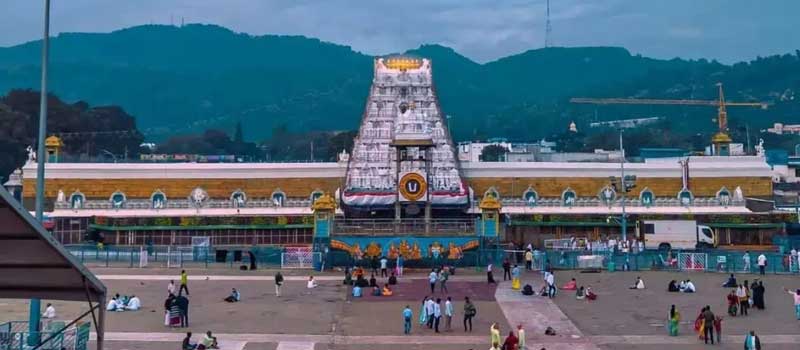
  • Tirumala Venkateswara Temple: The principal temple of Lord Venkateswara, one of the wealthiest temples in the world.
  • Sri Padmavathi Ammavari Temple: Lord Padmavathi, wife of Lord Venkateswara.
  • Akasaganga Theertham: A Holy waterfall, in which people perform holy baths.
  • Silathoranam: The natural arch of rocks, which is supposed to have some spiritual importance.
  • Sri Kapileswara Swamy Temple: The single temple devoted to Lord Shiva in Tirupati.
  • Govindaraja Swamy Temple: An ancient temple featuring incredible Dravidian-style architecture.
  • Chandragiri Fort: An old fort constructed by the Vijayanagara rulers.
  • Sri Venkateswara Zoological Park: This big wildlife park is suitable for family visits.

Getting There

Tirupati is well connected through air, rail, and road, and pilgrims have easy travel options.

By Train Tirupati

By Train

Tirupati has a railway station connected with direct trains to major cities like Chennai, Bangalore, and Hyderabad. Besides, numerous express trains also link it to the north of India. The Eastern Ghats are scenic on the train trip.

By Air Tirupati

By Air

The closest airport is the Tirupati Airport, which is approximately 15 km away. It recently started daily flights in Chennai, Bangalore, and Hyderabad. Also, the airport is on an opening spree to accommodate national and international flights.

By Road Tirupati

By Road

Tirupati is well connected by roads. State transport and privately operated buses run daily to Chennai, Bangalore, and Vijayawada. Similarly, taxis and self-driving vehicles are available as a comfortable means of journey.

Best Time to Visit

Tirupati has various seasons, and all seasons provide a unique experience.

Summer Season in Tirupati

Summer (March to June):

Summer becomes hot and temperatures reach 40 °C. Nevertheless, darshan is appropriate in the early mornings and evenings. If you do not mind the heat, there will be fewer crowds.

Monsoon Season in Tirupati

Monsoon ( July to September):

It rains moderately to heavily in the region. As such, the hills appear green and fresh. As an example, waterfalls such as Akasaganga can be enjoyed during this season. However, when there are heavy rains, travel can be impacted.

Winter Season in Tirupati

Winter (October to February):

This would be the most pleasant time to visit Tirupati. The climate remains calm and pleasant with temperatures at 15 °C and 25 °C. Above all, it is a perfect sightseeing area for visiting temples. Consequently, winter becomes the most popular time for pilgrims.

RECOGNIZED AND ACCREDITATION

ministry of tourism
TAAI - Certificates
IATA - Certificates
patners