About Udupi Krishna Temple
One of the most popular Shrines in South India is the Udupi Krishna Temple in Karnataka. A worship place of lord Krishna is considered a congregation of devotion, tradition, and culture. Pilgrims think Lord Krishna emits a heavenly glow and blesses devoted people with peace and material welfare.
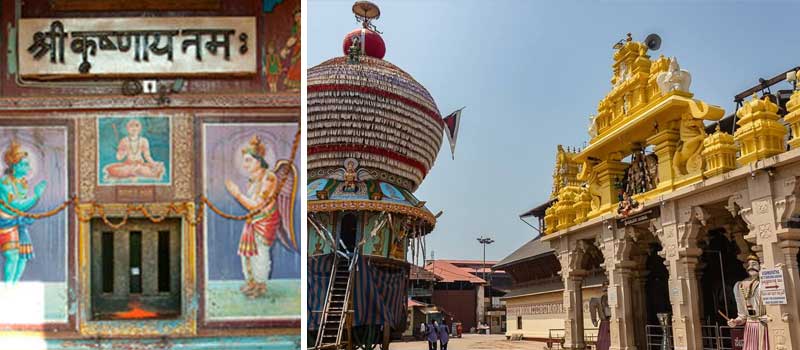
The most distinctive aspect of this temple is that it allows darshan to use the Kanakana Kindi, a small silver-plated window. It is said that Lord Krishna once gave his devotee Kanakadasa a vision through this window; this made devotees use the window to make their prayers. Udupi is a religious pilgrimage because of this unusual custom.
Moreover, rigid rituals are adhered to in the temple as set out by Sri Madhvacharya, the founder of Dvaita philosophy—the practices such as daily poojas, festivals, and food offerings date back centuries. Devotees come in thousands annually to observe these ceremonies and also get spiritually enhanced.
In other words, Udupi Krishna Temple is not associated with simply devotion but with the perceptions of living traditions. A Udupi Krishna Temple Trip is an opportunity to simultaneously absorb spirituality, culture, and divine grace.
Udupi Krishna Temple History
Udupi Krishna Temple's origin dates back to the 13th century. The great saint and philosopher Sri Madhvacharya founded the Dvaita Vedanta philosophy. Myths say that Madhvacharya found the statue of Lord Krishna in a massive ball of clay of gopichandana, which was washed ashore at Malpe.
The saint placed the idol in Udupi and created an up-to-date worship system. He also established the eight monasteries or Ashta Mathas, where each of them, in rotation, took charge of the rituals and the temple festivals. The practice is called the Paryaya, and it takes place every two years and is still one of the most important cultural events in Udupi.
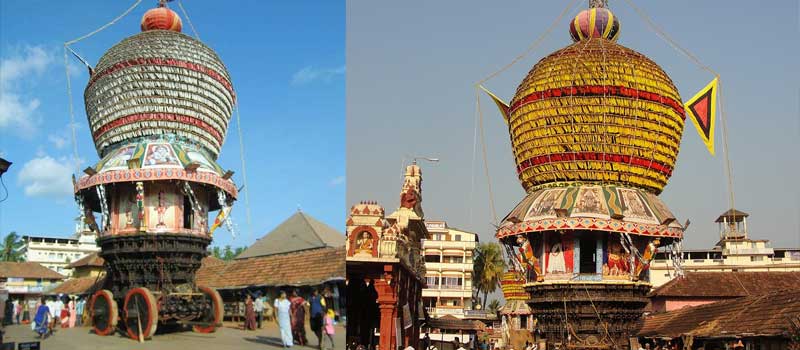
In addition, visitors can see records of Vijayanagara rulers who contributed to the temple through grants and land donations in historical inscriptions. The temple structure, the carvings made of wood, and the chariots depict a distinct local and Dravidian style.
What is most important is that Udupi not only became the place of veneration but also became the center of philosophical discussions and education. Briefly, the temple's history can speak volumes about devotion, philosophy, and traditions, which, as we know, have aged over centuries.
Attractions:
Udupi Krishna Temple is both a spiritual and a cultural tourist attraction, hence becoming a comprehensive pilgrimage center. Some highlights include:
- Kanakana Kindi A darshan window, associated with Saint Kanakadasa.
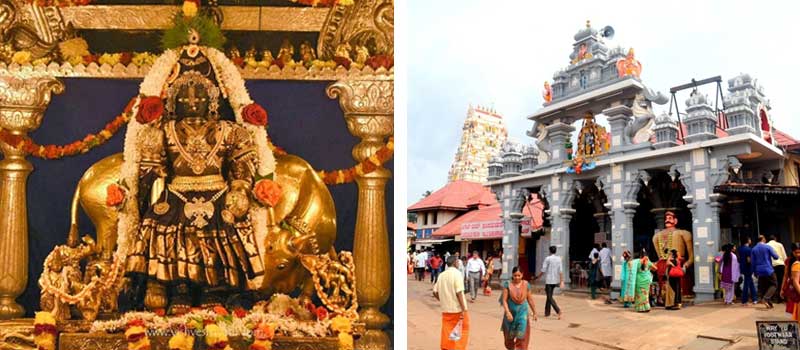
- Sri Krishna Idol: The principal statue is decorated with jewels and flowers daily.
- Ashta Mathas: The eight monasteries established by Madhvacharya.
- Paryaya Festival is a spectacular event held every two years, during which management changes between mathas.
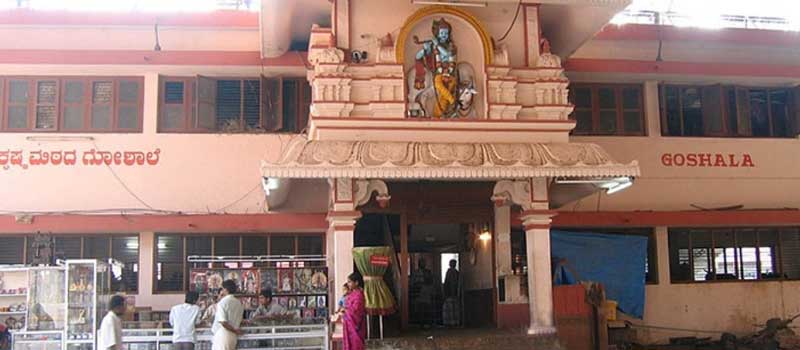
- Anna Dana Free meals are prepared daily for thousands of followers.
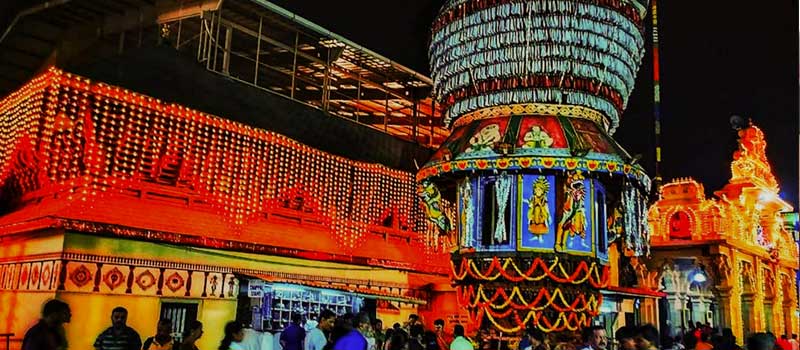
- Temple Chariot is very elegant and is employed in festivals in processions.
- Udupi Cuisine vegetarian food served as prasadam.
- Close by beaches- Malpe Beach and St. Mary's Island, for those who want to relax.