Vaishno Devi

  • Best time to visit:
    Summer (March to June), Winter (October to February)
  • Ideal Duration:
    2-3 days
  • Visa:
    Not Required
5.0 - Excellent in TripAdvisor
Recommended by 99% of travelers
Vaishno Devi
Vaishno Devi
Mata Vaishno Devi Yatra

Vaishno Devi

  • Temperature :
    Summer: April to June: 15°C to 30°C
    Monsoon: July to Sep: 17°C to 30°C
    Winter: Oct to Feb: 5°C to 15°C
  • Top Tourist Places:
    Vaishno Devi Shrine, Ardhkuwari Temple, Bhairon Nath Temple, Vaishno Devi Ropeway, Baba Dhansar Temple, Shivkhori Temple, Katra Market, Dera Baba Banda Bahadur

About Vaishno Devi

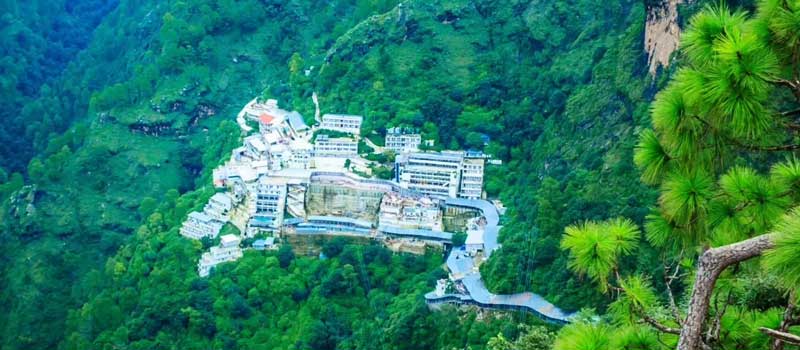
Vaishno Devi is one of the sacred pilgrimage sites of India and is located in the Trikuta Mountains of Jammu and Kashmir. It has great religious value for Hindus, especially for worshippers of Goddess Durga. The temple is the place of worship of Goddess Vaishno Devi, and millions of pilgrims visit the temple annually in search of her blessings and divine intervention during the Vaishno Devi Trip.

The believers also feel that the worship of Vaishno Devi supports them in facing life's challenges and granting them their desires and spiritual development. The walk to the shrine is regarded as a sort of penance and devotion, and many individuals walk to the shrine through the mountains. Pilgrims also think that the goddess hears their prayers and provides divine protection. The shrine is located at an altitude of 5,200 feet and has drawn people everywhere in the world owing to its spiritual manifestation and spectacular environment.

Vaishno Devi is a significant feature of the Indian religious environment that has existed over the centuries. People of all ages and faiths visit the temple; thus, it is one of the most frequented pilgrimage sites in the world. The serene atmosphere, along with the beauty of the mountains, contributes to the charm of the Vaishno Devi Trip, making it a life-changing experience for many.

+ Read More

Vaishno Devi History

Vaishno Devi has a rich history that includes a lot of mysticism and spirituality. The shrine has its roots directly connected to the legend of Goddess Vaishno, who is believed to have been born in a small village adjacent to the Trikuta Mountains. Hindu mythology states that Goddess Vaishno was a strong devotee of Lord Vishnu and devoted her life to worshipping Lord Vishnu. She had been so dedicated that she was named Vaishno, the divine being who possessed the strength and attributes of the three prominent Goddesses: Kali, Lakshmi, and Saraswati.

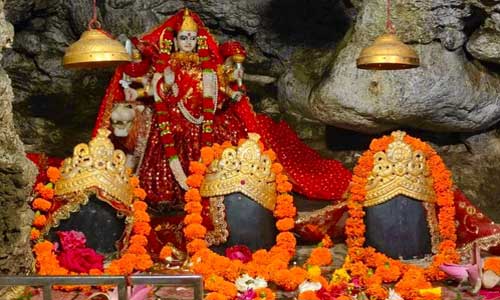
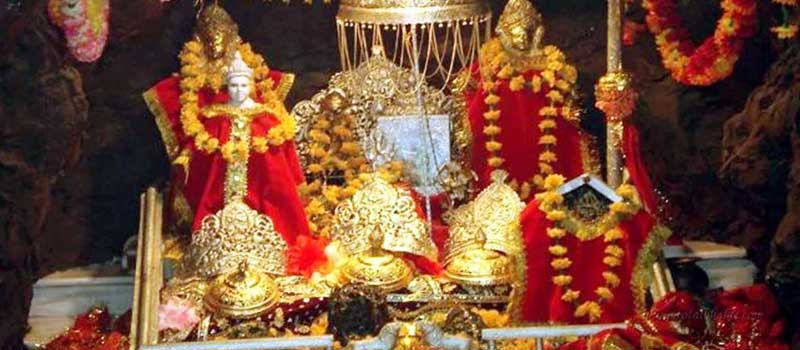
According to the legend of Vaishno Devi, the Goddess meditated in the Trikuta Mountains for several centuries and avoided the demon king Bhairon Nath, who wanted to marry her. In a long chase, the Goddess vanished into a cave and left behind her three religious forms, the Pindis, or sacred idols that believers worship today.

Gradually, the shrine at Vaishno Devi is a place of worship. It is said that pilgrims who visit the shrine may pray to the Goddess to bring them good health, wealth, and prosperity. The historical importance of the shrine increased during the 19th-century rule of Maharaja Ranbir Singh, who acted to promote the pilgrimage path and make it accessible.

Today, Vaishno Devi represents a pillar of steadfast faith, and millions of people come on Vaishno Devi Trip to get the blessings.
Attractions:

Vaishno Devi is not only a shrine; it is a place that has many attractions that make the pilgrimage more memorable. The following are some of the best places of attraction you are not to miss out on when you come to Vaishno Devi:

  • Vaishno Devi temple The Vaishno Devi Shrine, the most important attraction, is situated in the cave on Trikuta Mountain. The three Pindis symbolize the presence of the Goddess and represent her. This shrine is visited by pilgrims who come to pray and get blessings of prosperity and happiness.
  • Ardhkuwari Temple At the midpoint of the pilgrimage to Vaishno Devi, Ardhkuwari Temple is where the Goddess is said to have meditated for nine months. It is a holy temple regarded as a must-visit site in the pilgrimage circuit. The interior cave is small, and devotees crawl into it to receive the blessings of the Goddess.
  • Bhairon Nath Temple Most pilgrims visit the Bhairon Nath Temple after climbing a hill and visiting the Vaishno Devi Shrine. According to the legend, the Goddess killed the demon Bhairon Nath, and the temple is named after him. It is said that a pilgrimage to this temple will be completed after visiting Vaishno Devi.
  • Vaishno Devi Ropeway Vaishno Devi Ropeway is an excellent alternative for those who do not want to walk all the way. It offers a beautiful and convenient mode of transport to the temple complex and stunning views of the mountains.
  • Baba Dhansar Temple This temple is located on the banks of a small pond and is dedicated to Baba Dhansar, a holy saint. The temple possesses healing powers, and the surrounding area is characterized by a peaceful atmosphere.
  • Shivkhori Temple It is a must-visit pilgrim shrine in the form of a sacred cave dedicated to Lord Shiva, also known as Shivkhori. It lies approximately 75 km from Vaishno Devi and presents a peaceful experience in the beautiful mountains. The cave is naturally formed and has a Shiva Lingam, which is a place for devotees to worship.
  • Katra Market The town Katra is the starting point of the pilgrimage of Vaishno Devi, and the market is full of souvenir items from the traditional style and religious articles. Tourists can buy such products as Pashmina shawls, spiritual books, and other local handicrafts.
  • Dera Baba Banda Bahadur This ancient Gurudwara is situated close to the town of Reasi and is dedicated to Baba Banda Bahadur, a warrior and a follower of Guru Gobind Singh. The Dera is a serene place and a place of historical importance, and it has beautiful landscape scenery.

+ Read More

Vaishno Devi Tour Packages

Vaishno Devi Darshan
4 Nights / 5 Days

Vaishno Devi Darshan

Jammu - Katra

Starting Price

price on request

Getting There

Reaching Vaishno Devi is not difficult because this place is well-linked to transportation.

By Train Amritsar

By Train

The closest railway station is the Jammu Tawi, which is approximately 45 km away in Katra. Jammu Tawi is also well-linked to the rest of the big cities in India. You can then travel by taxi or bus to Katra, where you will start the Vaishno Devi pilgrimage.

By Air Amritsar

By Air

Jammu Airport is the closest airport, which is approximately 48 km outside Katra, which is the pilgrimage base town. Jammu has a good connectivity network with other big cities in India, such as Delhi, Mumbai, and Chandigarh. You can take a bus or taxi to Katra at the airport.

By Road Amritsar

By Road

Katra is connected to the road and can be accessed by taxi, bus, or personal vehicle to Jammu. The town can be reached by major cities in Jammu, Kashmir, and other parts of the region. There are also state-run buses or private cabs that you can take to Katra.

Best Time to Visit

The most suitable time to visit Vaishno Devi depends on weather conditions and your preferences for the pilgrimage experience.

Summer Season in Mathura

Summer (March to June)

The weather of Vaishno Devi in the summer months is very pleasant, with temperatures varying between 20 o C and 30 o C. It is the best time to go on a Vaishno Devi trip and is best suited for people who do not want a cold. But it is crowded during pilgrim seasons, and you may have to plan your visit.

Monsoon Season in Mathura

Monsoon (July to September)

The rainy season is not the best time to visit the area as it rains heavily during the monsoon season. The pilgrimage is also prone to slippery conditions, which is dangerous to the pilgrims. If you intend to visit during this period, ensure you are weather-ready and take precautionary measures.

Winter Season in Mathura

Winter (October-February)

The best time to visit is during the winter when the temperatures can go as low as 5 degrees C. Winter is a good time to visit the pilgrimage, especially when you love the cold and would like to enjoy the pilgrimage in a serene environment. But be ready for cold weather and even snow.

RECOGNIZED AND ACCREDITATION

ministry of tourism
TAAI - Certificates
IATA - Certificates
patners